Tattoo ideas
Wolf Chest Tattoo Ideas
A wolf on the chest carries a specific weight that the same design doesn't quite have elsewhere: placed directly over the heart, it reads as a statement about the pack you protect — family, close friends, whoever you consider your inner circle — rather than the more solitary, independent side of wolf symbolism that dominates when the same image sits on a forearm or calf. This is worth thinking through before you commit to chest placement specifically, since the location itself changes what the tattoo communicates.
Compositionally the chest offers a wide, roughly symmetrical canvas well suited to a forward-facing wolf portrait centered on the sternum, with fur detail flowing outward toward both pecs — similar in principle to how a lion or phoenix uses the same space, but with the cooler gray-and-blue palette and finer fur texture that distinguishes wolf realism from other big-animal chest pieces. A snarling, aggressive wolf reads as a warning or a statement of ferocity; a calm, forward-staring wolf reads as watchful and protective — decide which story fits before the stencil goes down, since the expression does a lot of the piece's emotional work.
The sternum is genuinely one of the more painful tattoo zones on the body — 7-8/10, due to minimal padding between skin and bone plus high nerve density — and a centered wolf face inevitably means the most detailed, slowest part of the piece lands right on that zone. Moving outward onto the pec muscle itself drops to a more tolerable 5-6/10. Given that a detailed fur-and-shadow wolf portrait can run 4-8 hours depending on size and color, most experienced artists split sternum-heavy chest pieces into 2-3 sessions rather than pushing through the worst pain zone in one sitting. Sizing needs 6-9 inches minimum for a face-and-partial-mane composition that lets fur detail actually resolve rather than blurring into gray mush over time; a full symmetrical piece spanning both pecs wants 9-12 inches. Black-and-gray wolf work on the chest, done at appropriate scale, ages well — 15-20+ years of sharp detail is realistic, with the sternum's relatively low sun exposure (since it's usually clothed) actually helping longevity compared to a similar piece on a constantly-exposed forearm.
Wolf Chest designs
Generate your own wolf chest design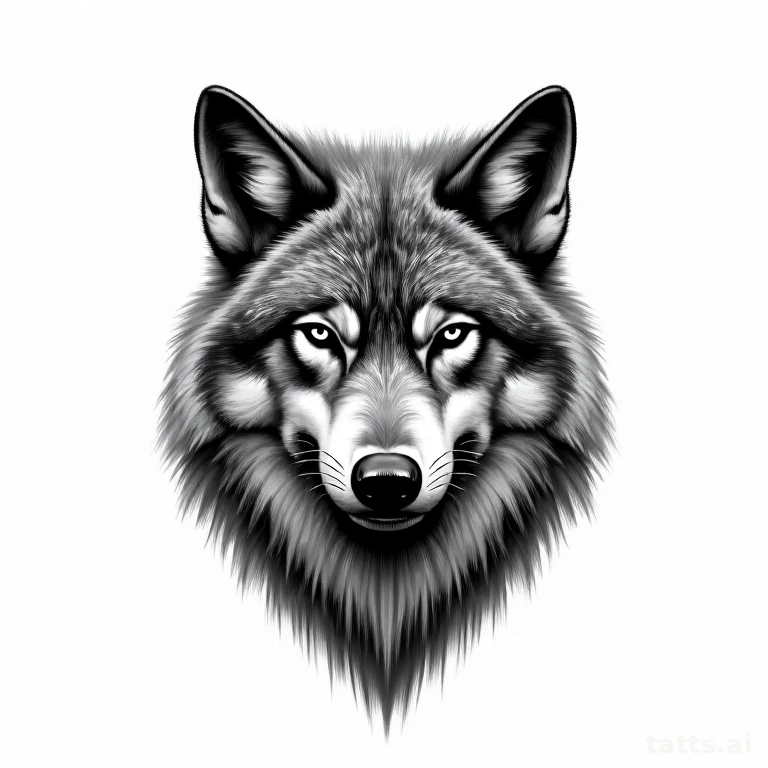
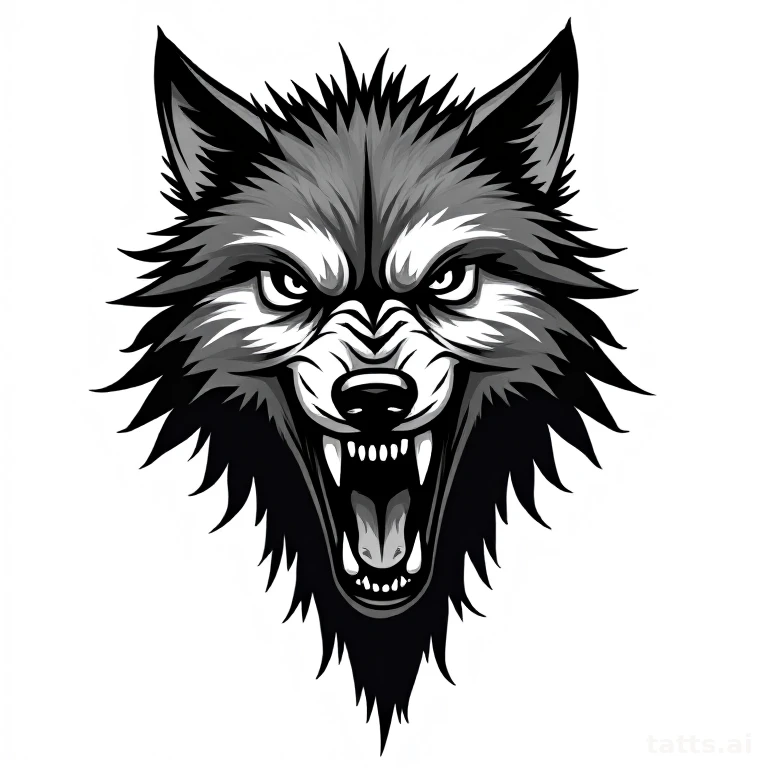
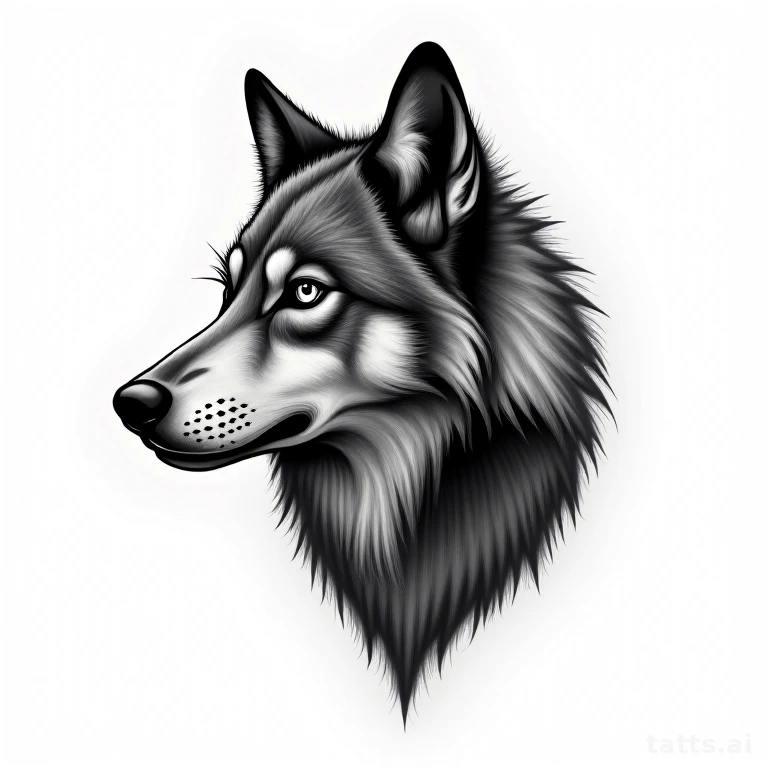
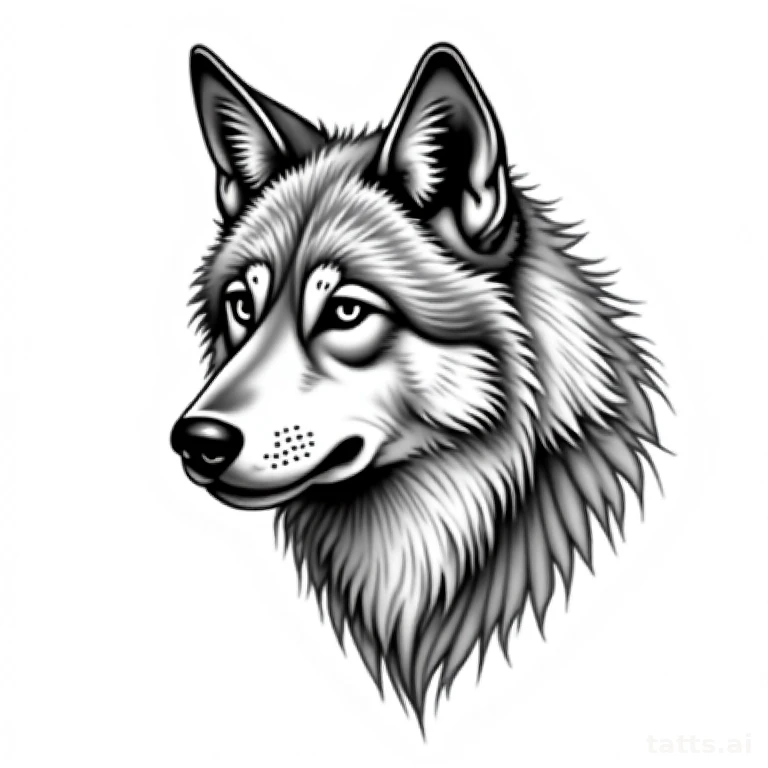
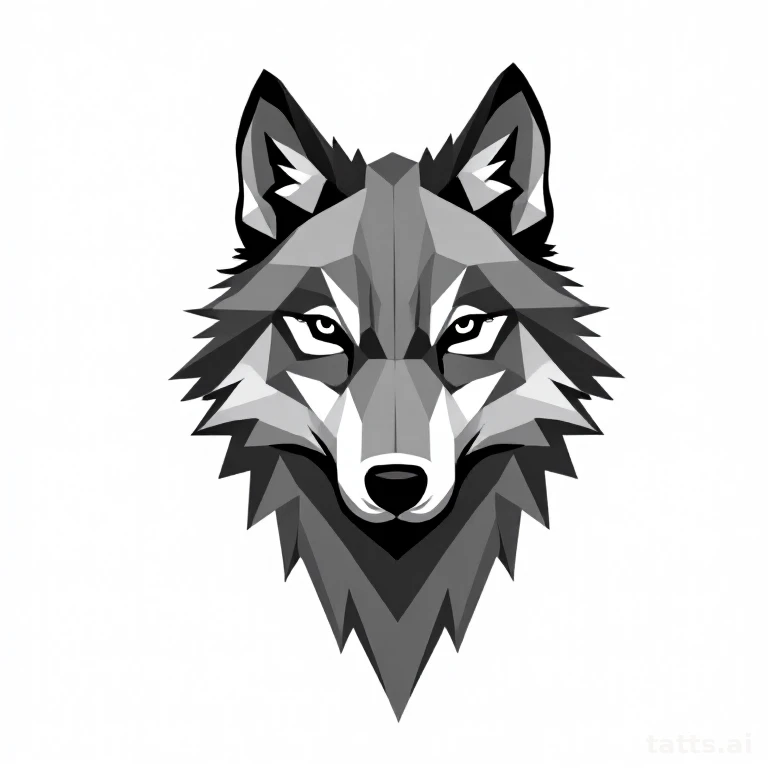
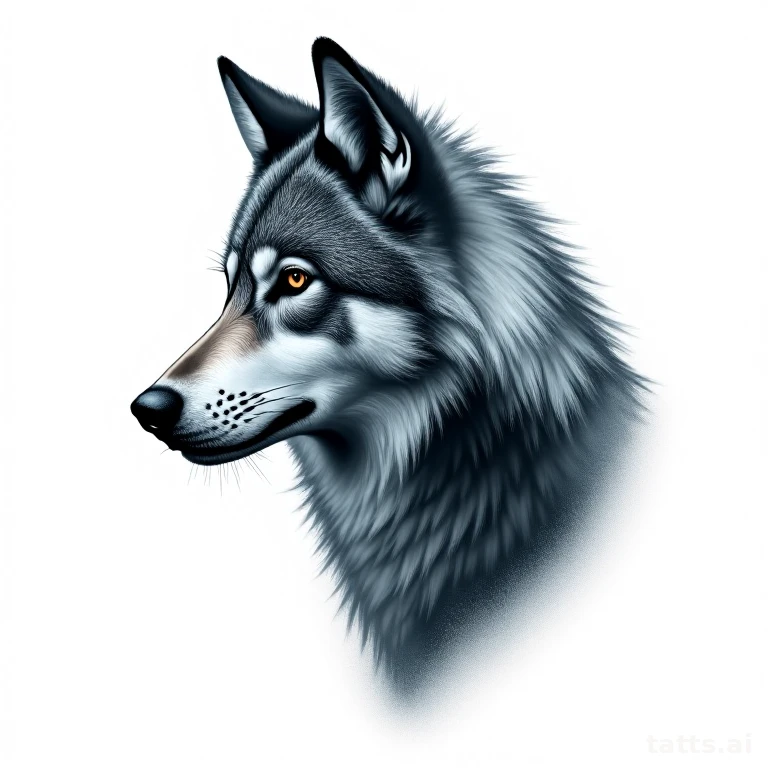
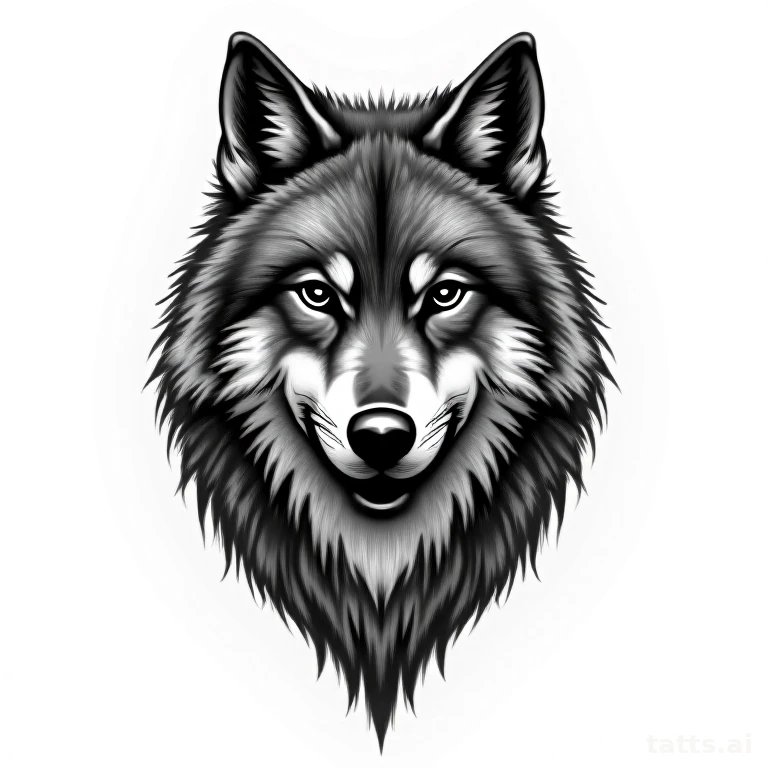
Single-Pec vs. Full Sternum-Crossing Composition
As with any chest piece, deciding between a design confined to one pec versus one that spans the sternum changes both pain and visual impact substantially. A single-pec wolf portrait avoids the sternum's worst pain entirely and still reads as a strong, complete piece; a full symmetrical composition crossing both pecs is more dramatic but commits you to tattooing through the most painful zone on the chest for whatever detail lands there. Neither choice is wrong — it's a genuine tradeoff worth discussing honestly with your artist rather than assuming bigger and more symmetrical is automatically better.
Cool Tones Age Better on Sun-Exposed Chest Skin
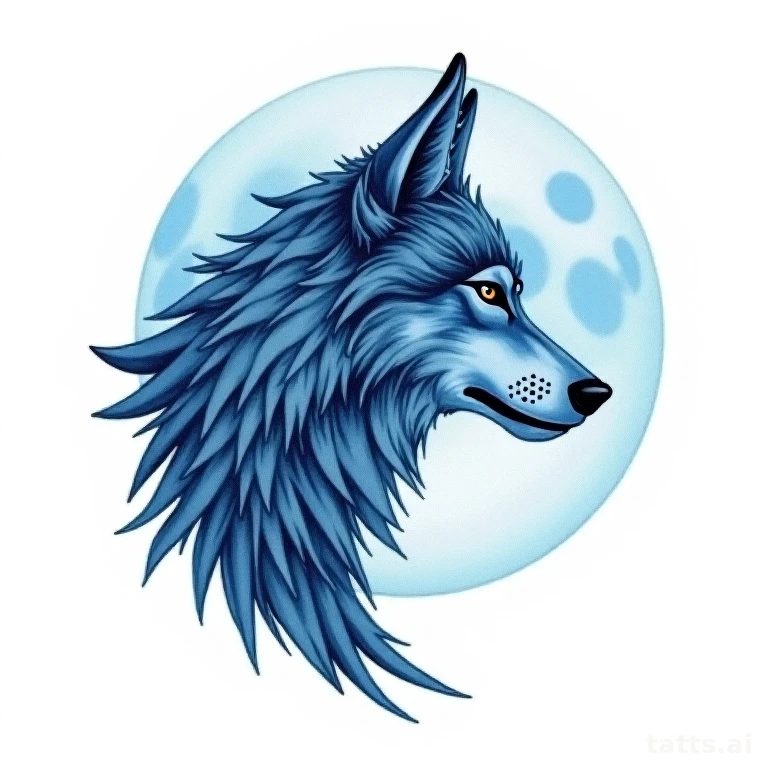
Because wolf realism typically leans on cool grays and blues rather than warm ochre tones, it has a real aging advantage on chest placements specifically — cool tones resist UV-driven fading better than warm oranges and yellows would in the same spot. This is one case where the subject's natural color palette works in favor of long-term placement durability, regardless of whether the chest sees regular sun exposure or stays mostly covered under clothing day to day, year after year.
Frequently asked
- How painful is a wolf chest tattoo compared to a wolf on the arm?
- Meaningfully more painful if the design crosses the sternum — 7-8/10 there versus 4-5/10 on a typical forearm or calf placement for the same subject. Staying on the pec muscle itself brings it down closer to 5-6/10, still somewhat higher than most limb placements due to less padding overall.
- Should a wolf chest tattoo be centered or off to one side?
- This depends on how much of the sternum's higher pain you're willing to sit through and how symmetrical you want the final composition to look. A centered, symmetrical wolf makes fuller use of the chest's natural balance, while a single-pec placement is faster, less painful, and still visually complete on its own.
- Does a wolf chest tattoo need touch-ups sooner than one elsewhere?
- Generally no — chest skin is usually covered by clothing, which limits UV exposure and helps preserve fine fur detail longer than a constantly sun-exposed placement like a forearm would. Expect a similar or slightly better aging timeline than the same design would have on a more exposed limb.
Make it yours
Generate a one-of-one wolf chest design free — then try it on your skin.