Tattoo ideas
Realism Wolf Tattoo Ideas
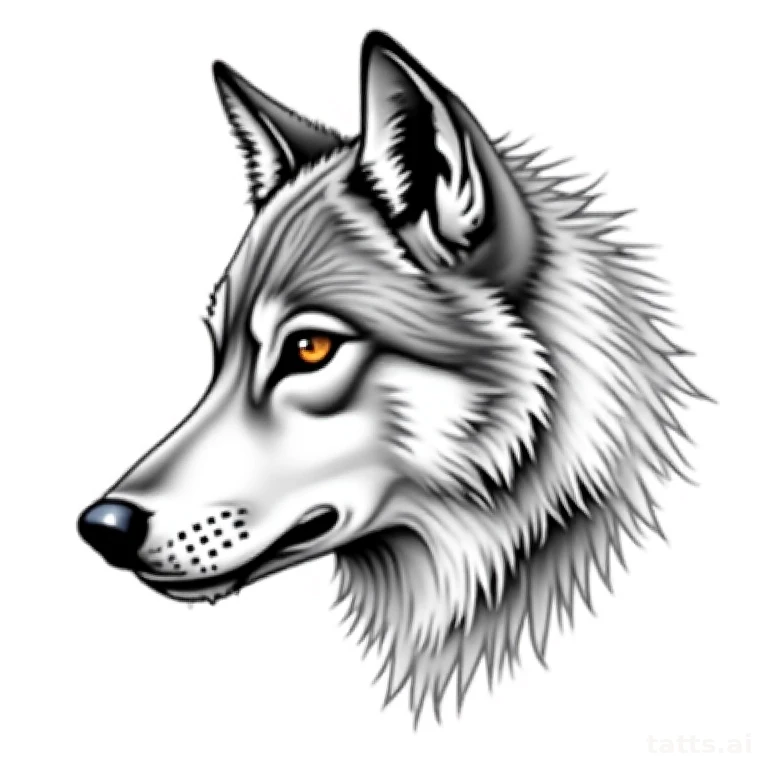
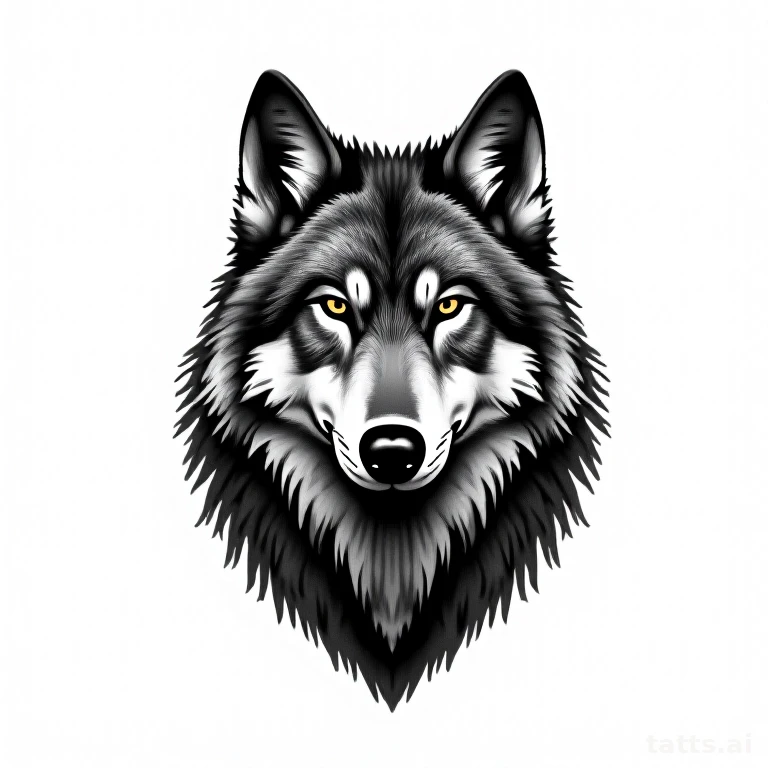
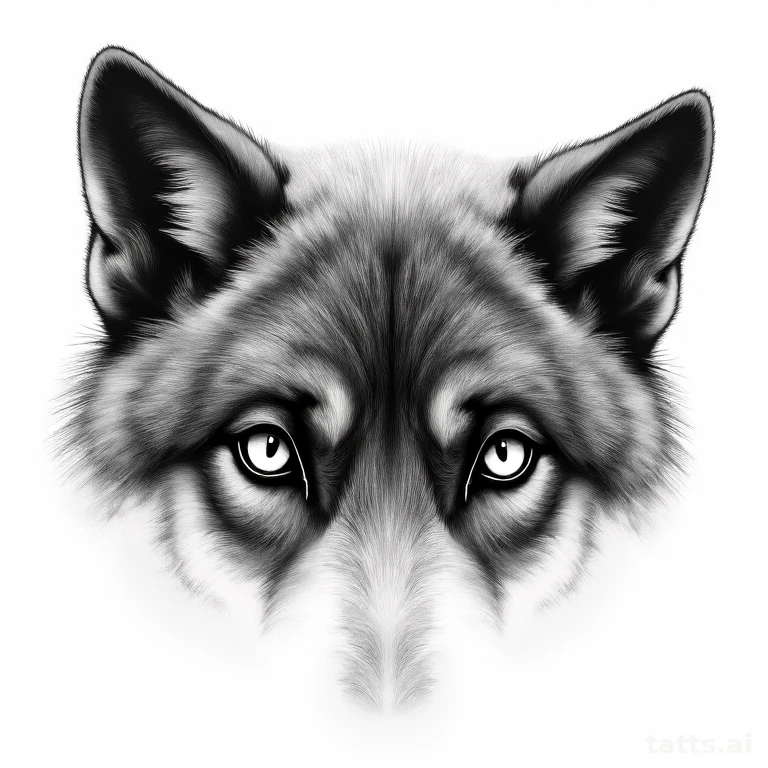
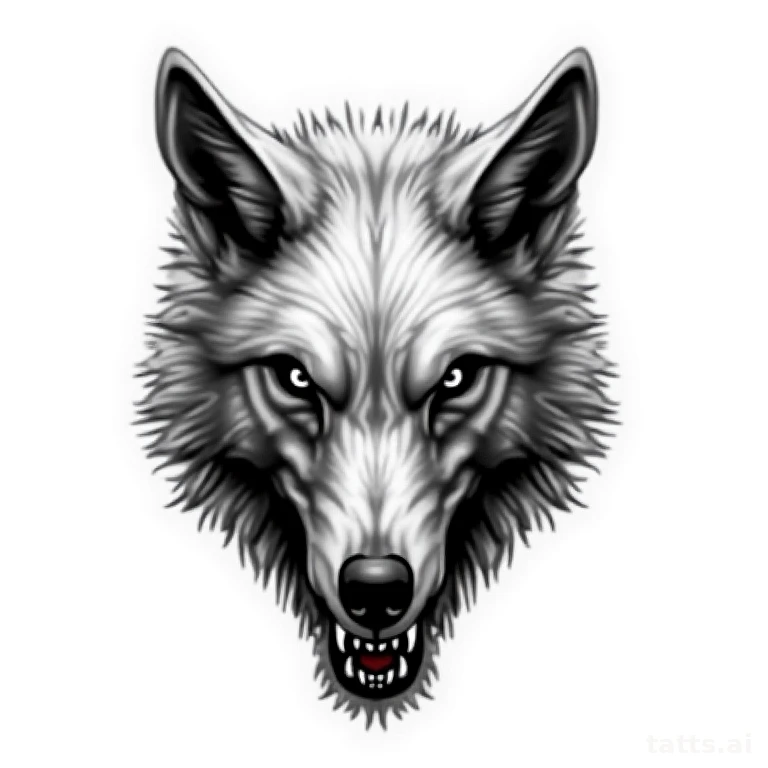
Wolves read differently from lions in realism work because the texture is finer and the color palette is cooler — grays, blues, and icy whites instead of warm ochre. That cooler palette is actually an advantage for longevity: cool grays and blacks fade slower under sun exposure than warm yellows and oranges, so a well-done black-and-gray wolf can look nearly as sharp at year eight as it did healed. The eyes are where artists live or die on this subject; pale amber or ice-blue eyes rendered with a tight highlight and gradual pupil falloff are what separate a wolf that looks alive from one that looks like clip art.
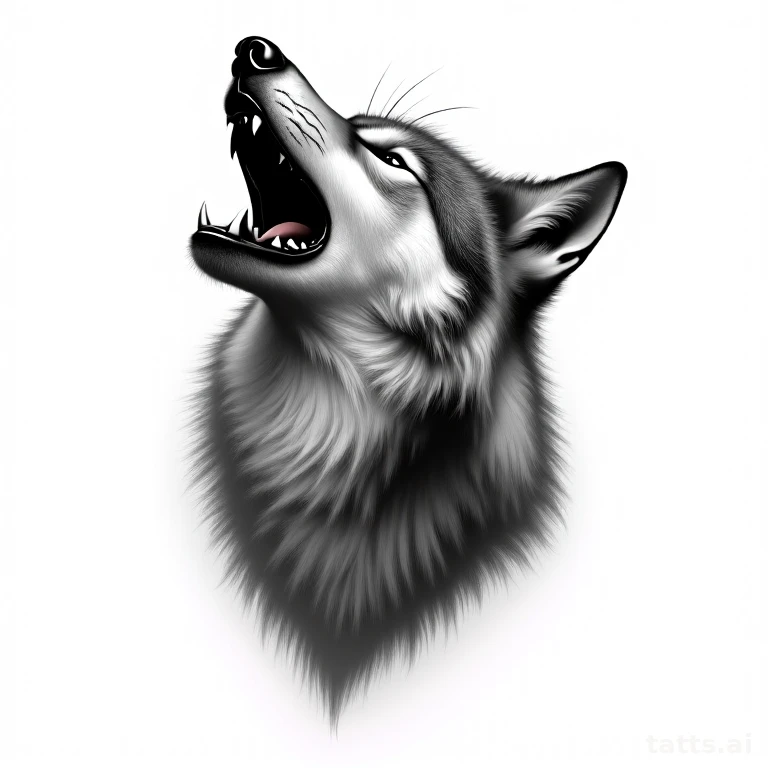
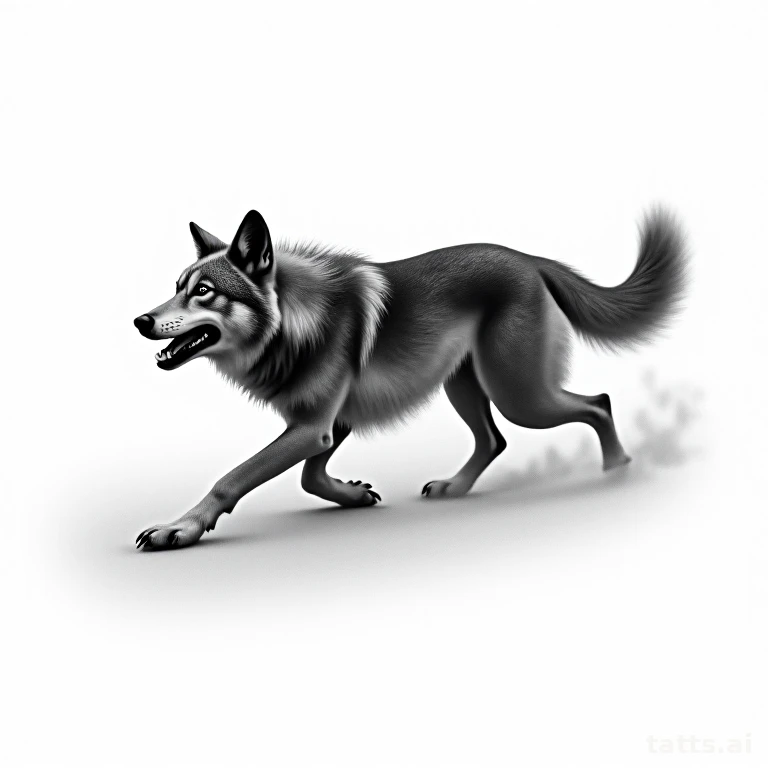
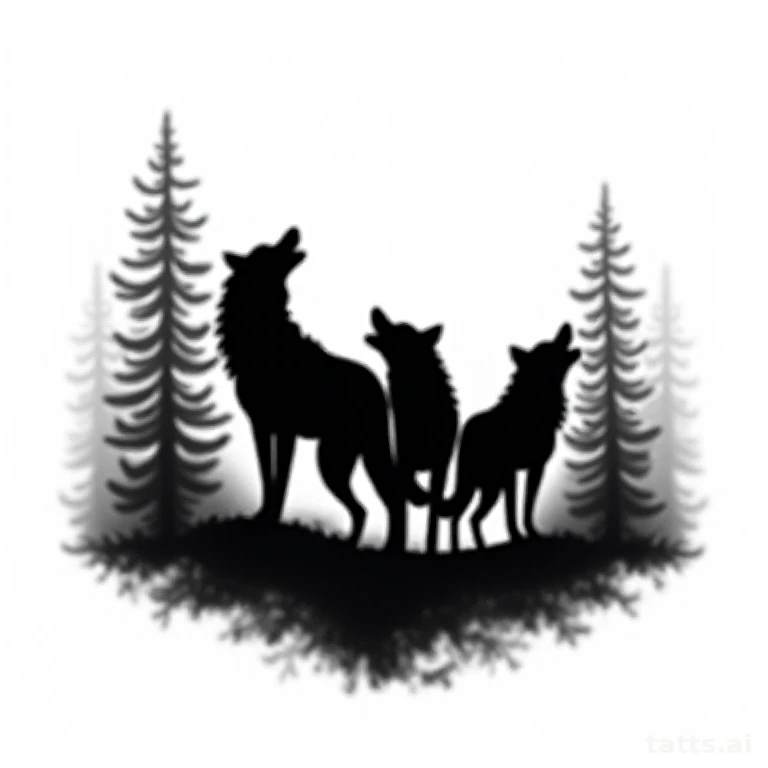
The symbolism leans toward independence balanced with pack loyalty — a wolf tattoo often marks someone who values a small, fiercely protected circle of people over broad social connection, or commemorates surviving something alone. A lone howling wolf against a moon is the most requested composition and, frankly, the most oversaturated — if you want something that still reads as intentional rather than generic, consider a forward-facing portrait or a wolf mid-stride through snow instead of the moon silhouette.
Placement math is similar to other large realism pieces: you need 6-8 inches of relatively flat space to let the fur detail actually resolve, so forearm, calf, upper arm, shoulder blade, or ribs (advanced only) are the common choices. Pain lands around 4-5/10 on the outer forearm and calf, 6-7/10 on the shoulder blade where the artist works over bone, and 8-9/10 on ribs, which most artists won't attempt for a first-time client given the multi-session commitment. A full snow-forest backdrop scene adds real time and cost — budget 2 extra hours minimum for a snowy background versus an isolated head. Wolves rendered mostly in cool black-and-gray hold their crispness 8-10 years before needing a touch-up, mainly to darken the deepest shadow areas around the eyes and muzzle where black ink migrates outward slightly over time.
Realism Wolf designs
Generate your own realism wolf design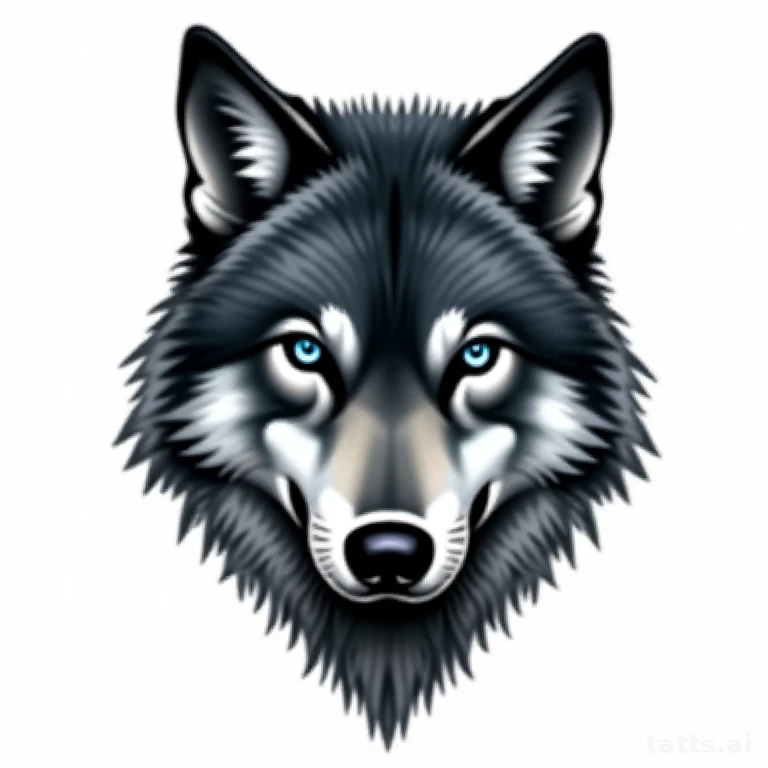
Why Fur Direction Matters More Than Color
A convincing wolf tattoo depends on the artist tracking fur growth direction across the whole face — hair flows outward from the snout, sweeps back along the cheeks, and thickens into a ruff at the neck. Skip this and even technically clean shading reads as generic gray fuzz rather than an actual animal. When you're looking at a portfolio, zoom into healed (not fresh) wolf pieces and check whether the fur has visible flow lines or just soft gradient blur — the flow lines are what survive a decade of aging.
Backdrop Choices That Actually Age Well
Snow and moonlight backdrops look stunning fresh but rely on bright white highlights that are the first thing to soften as skin cells turn over — plan on a touch-up around year 5 if you go heavy on snow texture. A pine forest silhouette or plain negative-space background ages more gracefully since it depends less on delicate white highlight work. If longevity matters more to you than the initial wow factor, ask your artist to keep the background darker and let the wolf's face carry the piece.
Frequently asked
- Is a wolf tattoo a good first realism piece?
- It's moderate difficulty — more forgiving than a full-color portrait but still requires real skill in fur rendering. A single wolf head at 6-7 inches is a reasonable first realism commitment; save multi-wolf pack scenes or full snowy backdrop environments for later, once you've seen firsthand how your particular skin heals dense black-and-gray ink over several months of aftercare.
- How do I stop the fur detail from blurring over time?
- Size big enough (6+ inches), choose black-and-gray over color, avoid direct sun without SPF 50, and get a single touch-up around year 6-7 to re-darken the deepest shadows. Most blurring people complain about is actually undersizing or under-shading at the original session, not bad healing or bad luck with skin type.
- What's the difference between a wolf and dragon in realism work?
- Wolves rely on organic fur texture and soft anatomical shading, while dragons in realism style lean into scale patterns and harder reflective highlights — closer to reptile or armor rendering. Artists who specialize in one aren't automatically strong at the other, so check subject-specific portfolio work.
Make it yours
Generate a one-of-one realism wolf design free — then try it on your skin.