Tattoo ideas
Realism Tattoo Ideas
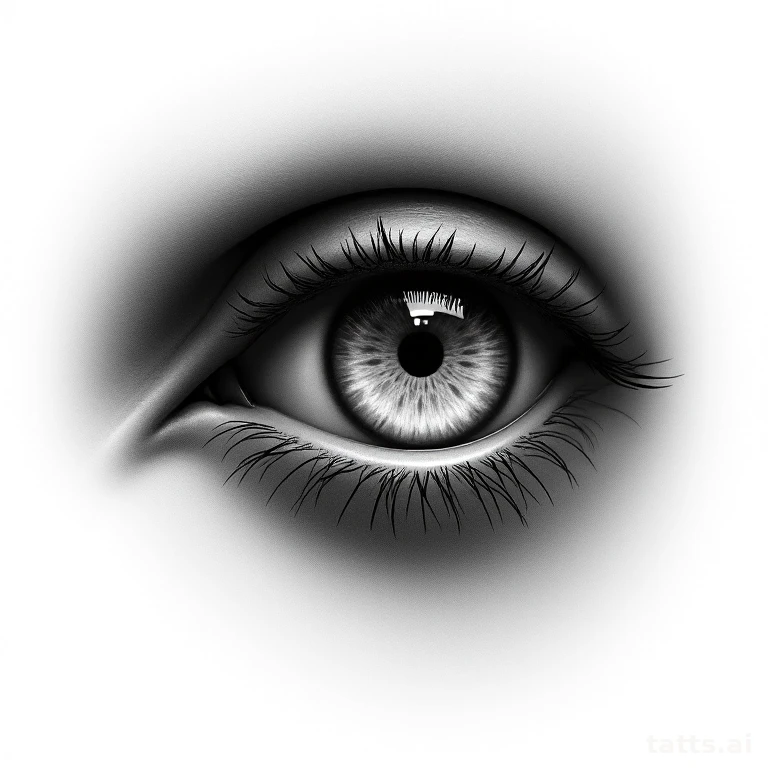
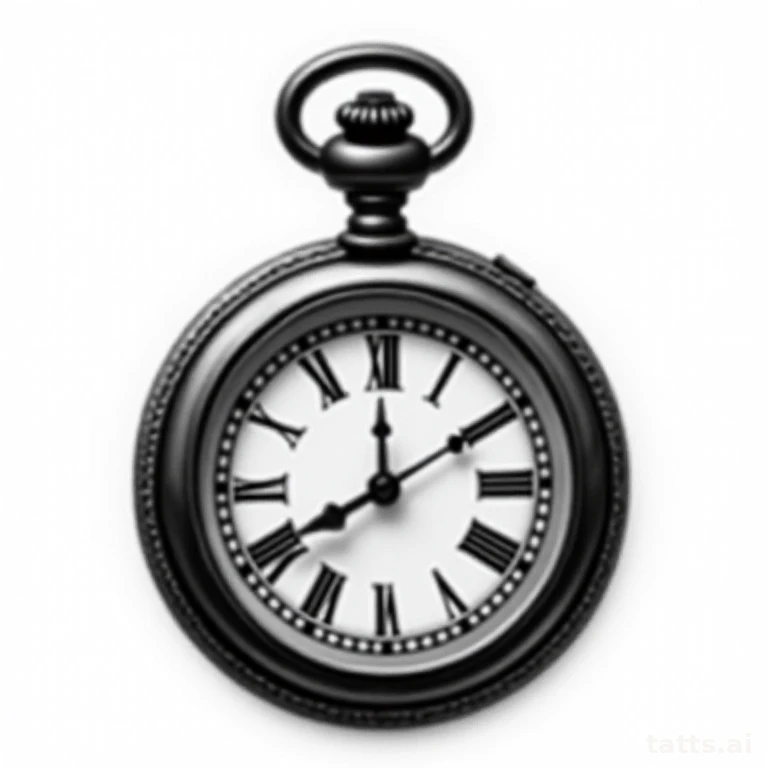
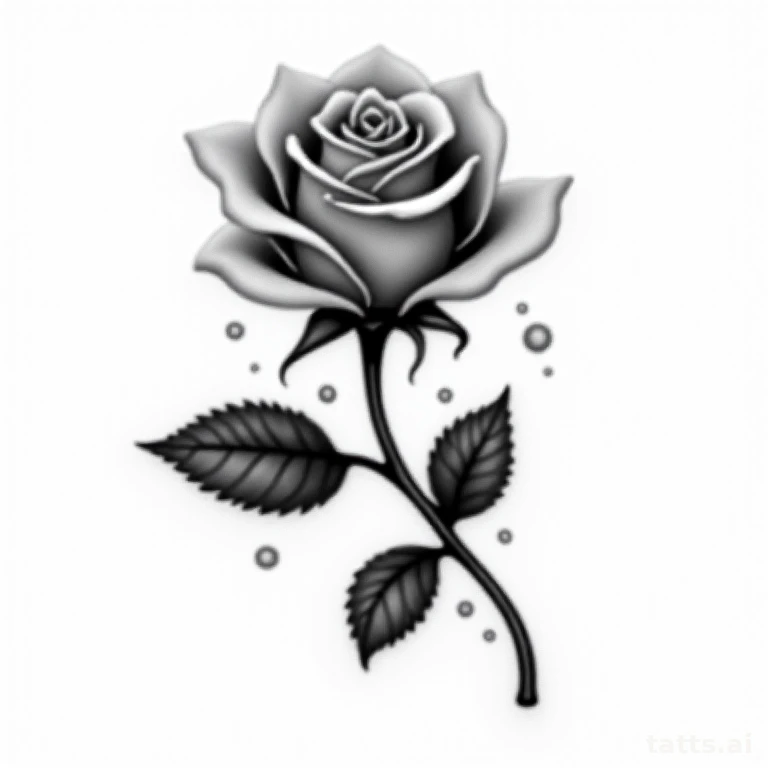
Realism is the style that asks the most of both artist and skin. Instead of a bold outline holding a design together, realism builds an image entirely from shading and soft gradient transitions — the way a charcoal portrait or a black-and-white photograph creates form through light and shadow rather than lines. This is technically the hardest style in tattooing to execute well, which is why realism specialists tend to be some of the highest-booked, highest-priced artists in any city: getting a lion's fur texture, a portrait's skin tone gradient, or a clock's metallic sheen to actually read as photographic requires years of dedicated practice most general artists never fully develop. Subjects skew toward portraits (people, pets), wildlife, and objects with rich texture — clocks, roses in high detail, water droplets — anything where light and shadow do the storytelling.
Because there's no bold outline anchoring the composition, realism ages differently than almost any other style, and not in its favor. The soft shading that creates photographic depth is exactly the part of a tattoo most vulnerable to the skin's natural ink migration over time — without a hard black line to hold the shape, a realism piece can start to look genuinely blurry or muddy within 8-10 years, faster in sun-exposed spots. This isn't a flaw in a specific artist's work, it's inherent to the style: the same quality that makes realism look stunning fresh is the quality that degrades fastest. Expect a realism piece to need a touch-up or full shading refresh around year 7-10, and budget for that from the start rather than treating it as a surprise.
Placement should favor large, flat, low-movement areas — upper arm, thigh, back, and calf are where realism holds up best because the skin doesn't fold or stretch as much as at joints, which matters for a style that depends on smooth gradient transitions staying smooth. A realistic portrait crammed onto a forearm that flexes constantly will distort faster than the same portrait on a stable thigh panel. Pain runs moderate on those large flat areas (5-6/10) but realism sessions run notably longer because of the shading work involved — a detailed portrait can mean 4-6 hours in a single sitting, sometimes split across two sessions, so stamina for the chair matters as much as pain tolerance.
Realism designs
Generate your own realism design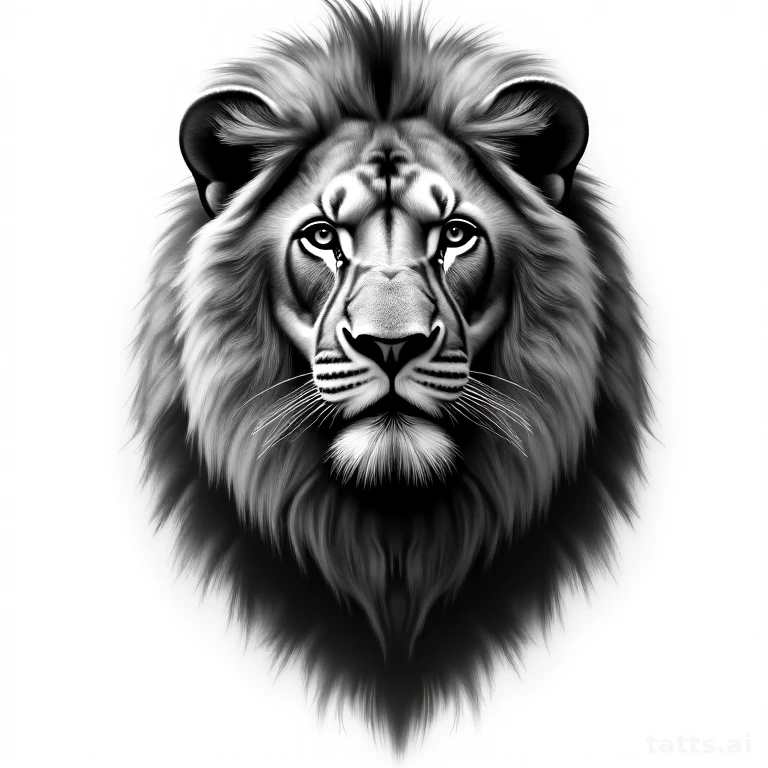
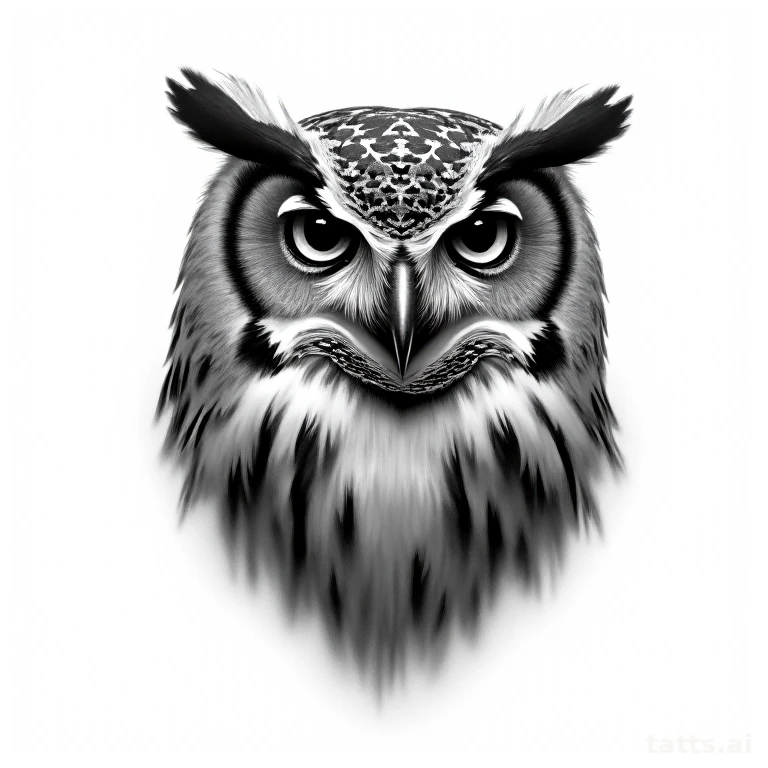
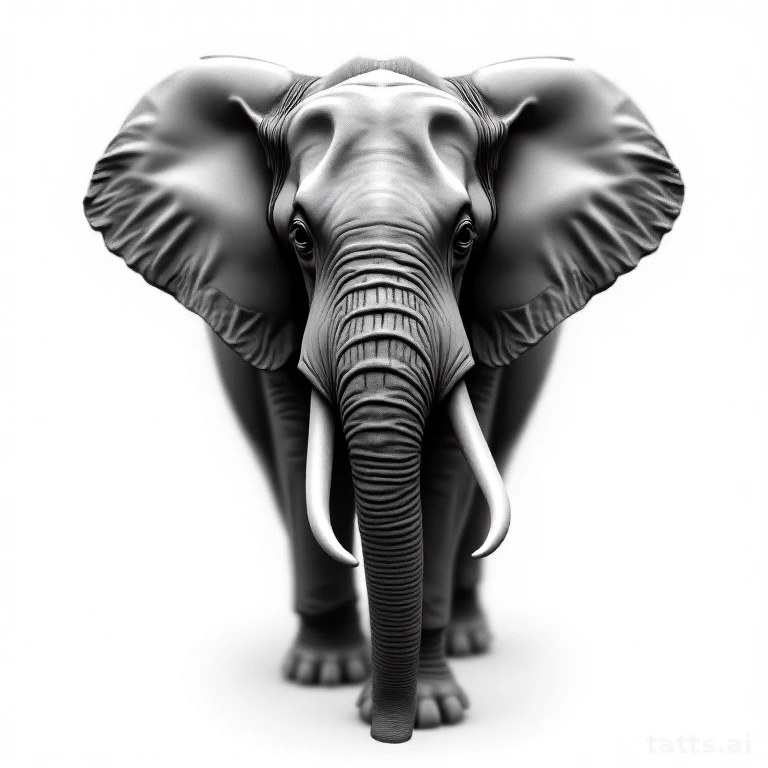
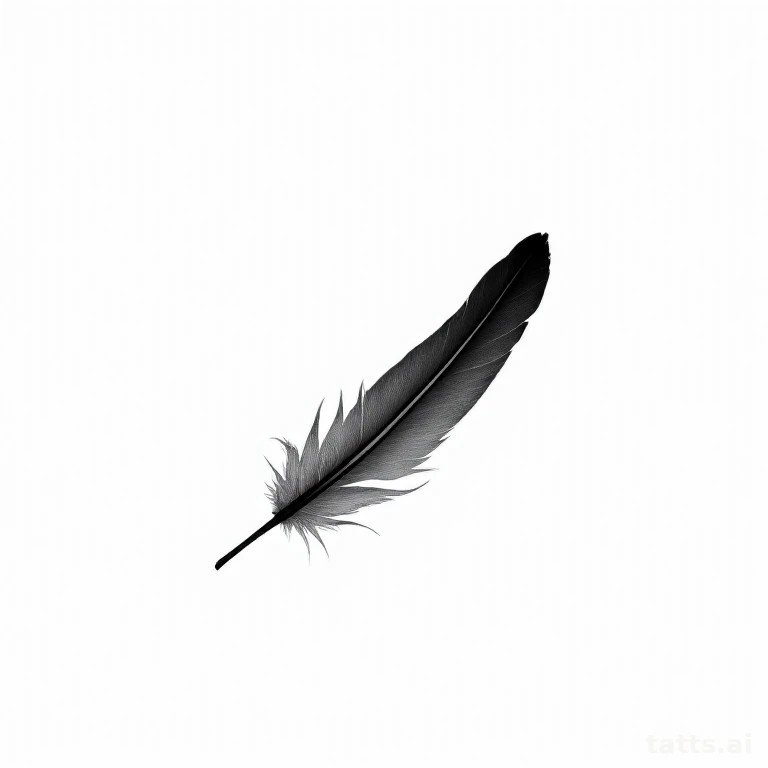
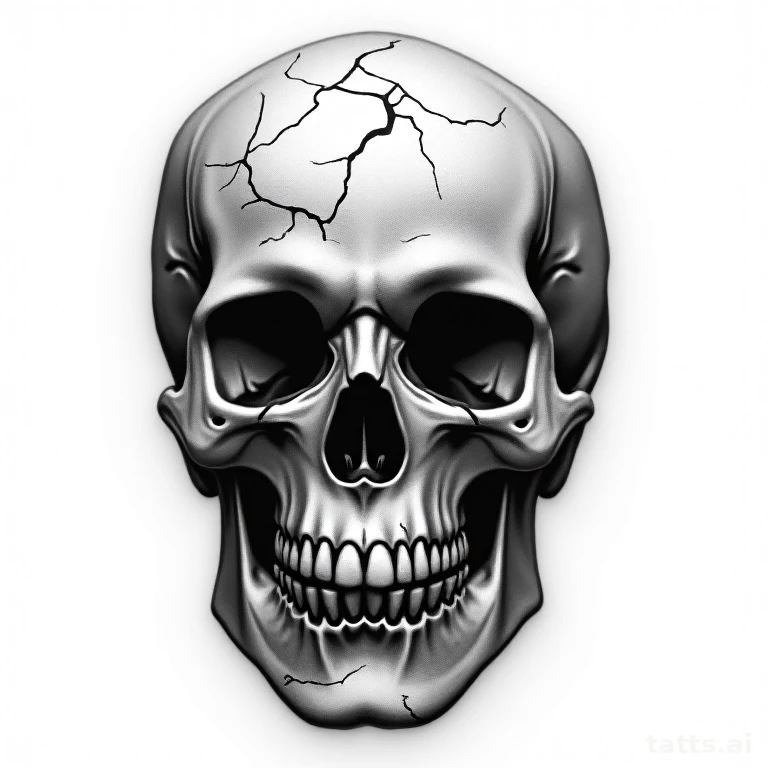
Why realism portraits need a bigger canvas than you think
A realistic human or animal portrait needs enough physical space for the shading gradients to actually resolve into recognizable depth — cram a detailed face into a 3-inch space and the fine tonal transitions that create a nose bridge or cheekbone shadow collapse into mush almost immediately after healing. Most realism artists won't take on a detailed portrait under 5-6 inches for exactly this reason. If you want a small memorial portrait, ask your artist about a simplified, higher-contrast approach (closer to illustrative realism) rather than full photographic detail, which needs the extra real estate to survive.
The touch-up conversation you should have before booking
Because realism's soft shading is the first thing to soften with age, ask your artist directly what their touch-up policy is and roughly what a shading refresh costs at year 5, 7, and 10. Many realism specialists offer free or discounted touch-ups within the first year (standard across styles) but a later refresh to restore faded gradients is a paid session, not a warranty claim. Knowing this cost up front avoids sticker shock when the piece needs its first real refresh.
Frequently asked
- Why do realism tattoos fade faster than traditional or blackwork?
- Realism relies on soft gradient shading instead of a bold black outline to hold the image together. Gradients are inherently lower ink density per area than a solid line or fill, so the body's natural ink breakdown over years affects them sooner and more visibly — the fine tonal transitions blur before a bold outline would.
- How long does a realistic portrait tattoo session take?
- A detailed portrait or animal piece commonly runs 4-6 hours in a single session, and larger or more complex compositions are often split into two sessions a few weeks apart. This is longer than bold-outline styles like traditional because building convincing shadow and light takes significantly more needle time per square inch.
- What placements work best for realism tattoos?
- Large, flat, low-movement areas hold realism best — upper arm, thigh, back, and calf. Joints and high-flex areas like the inner elbow or wrist distort the smooth gradient transitions that realism depends on, so a detailed portrait or animal piece there will lose definition faster than the same design on a stable flat panel.
Make it yours
Generate a one-of-one realism design free — then try it on your skin.