Tattoo ideas
Blackwork Forearm Tattoo Ideas
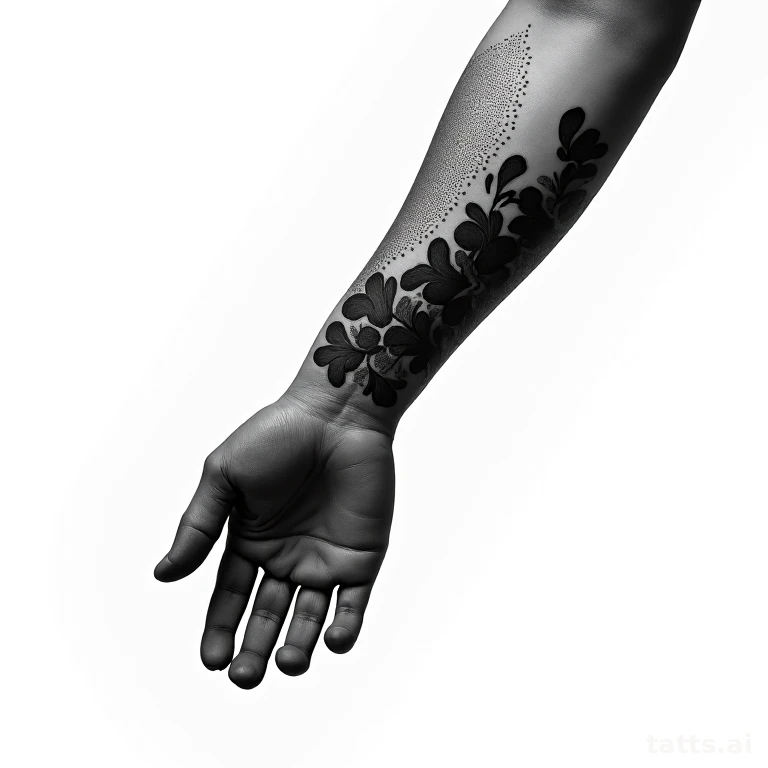
Blackwork and the forearm are one of the most reliably successful style-placement pairings in tattooing, because the forearm's flat, muscular, low-fat surface is exactly what solid black ink needs to read clearly at scale. Unlike fine-line or watercolor styles that can get lost or blur on a moving, tapering limb, blackwork's high-contrast solid fills and confident negative space hold their shape whether the design is a single geometric panel, a full-sleeve-style composition, or an illustrative piece built from pattern and shadow rather than grey shading.
The forearm's natural taper from wrist to elbow is actually an asset for blackwork specifically. Many blackwork forearm designs use that taper deliberately — a pattern that narrows toward the wrist, a composition where negative space opens up near the elbow and closes into dense black near the hand, or a geometric piece that uses the arm's changing width as part of the visual rhythm. This is harder to pull off in styles that rely on consistent color saturation, but blackwork's binary palette (ink or skin, nothing between) makes the taper work with the design instead of against it.
Pain on the outer forearm sits at a comfortable 3-4 out of 10, and because blackwork sessions often involve significant solid black fill rather than fine detail work, sessions can run longer than a comparable fine-line piece even at the same visible size — solid fill takes real time to pack in evenly. Budget accordingly: a forearm blackwork sleeve panel can take 4-6 hours across one or two sessions depending on how much of the surface is solid black versus negative space. The payoff is longevity — this is the most durable style-placement combination available, with well-executed blackwork on the forearm commonly still looking essentially fresh at the 20-25 year mark, since there's no fine shading to blur and minimal color to fade.
Blackwork Forearm designs
Generate your own blackwork forearm design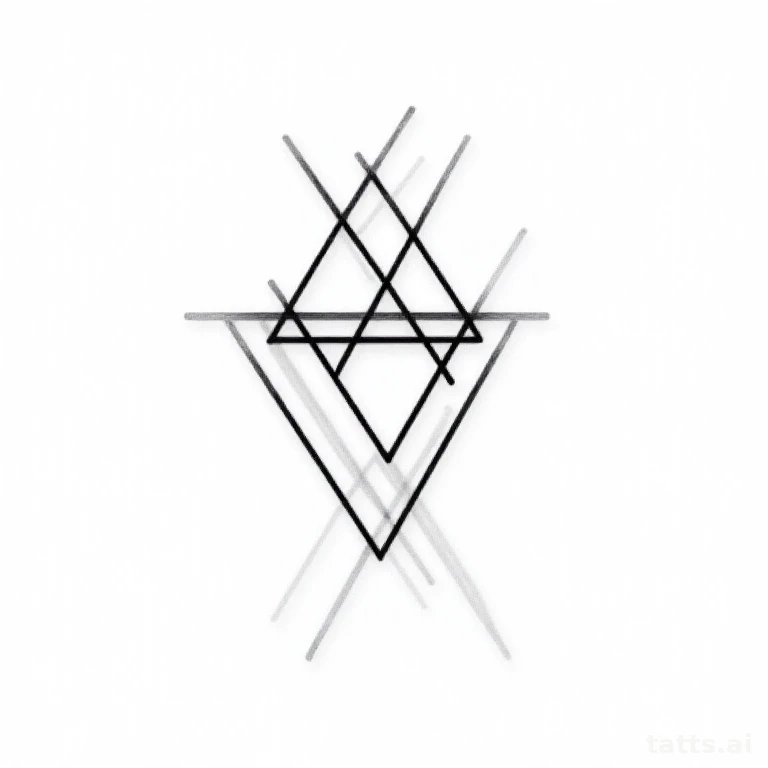
Composition Approaches for Forearm Blackwork
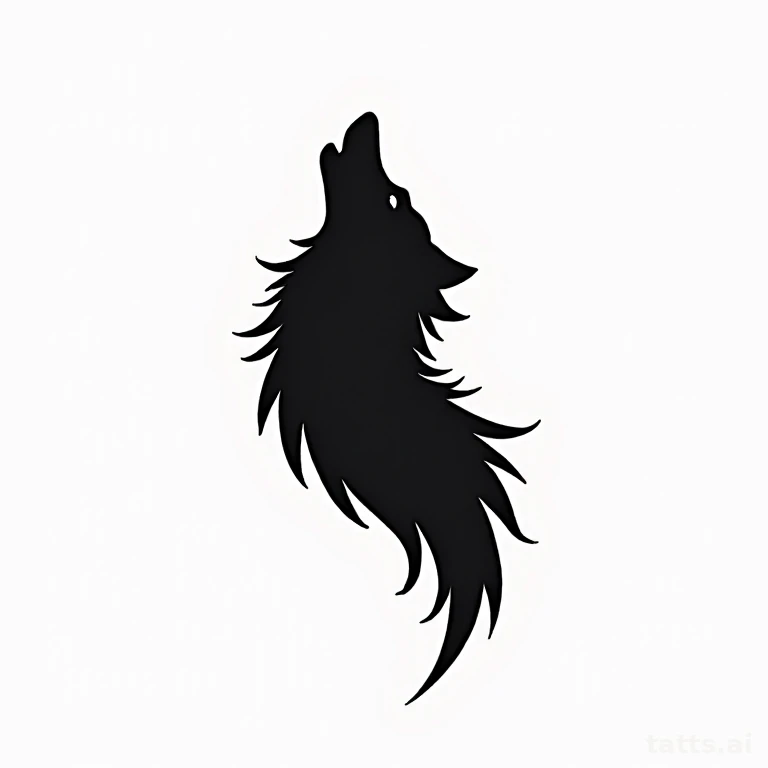
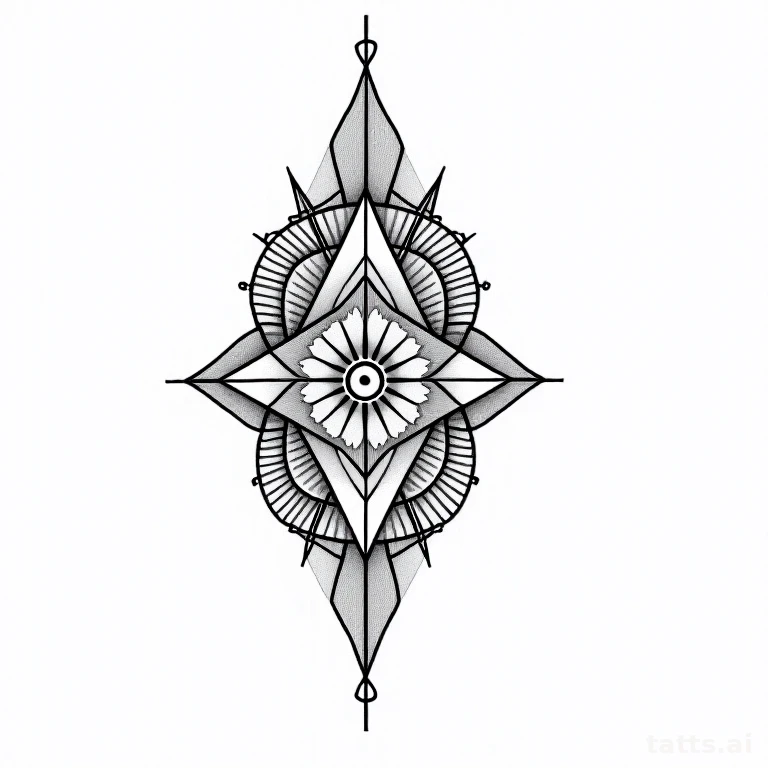
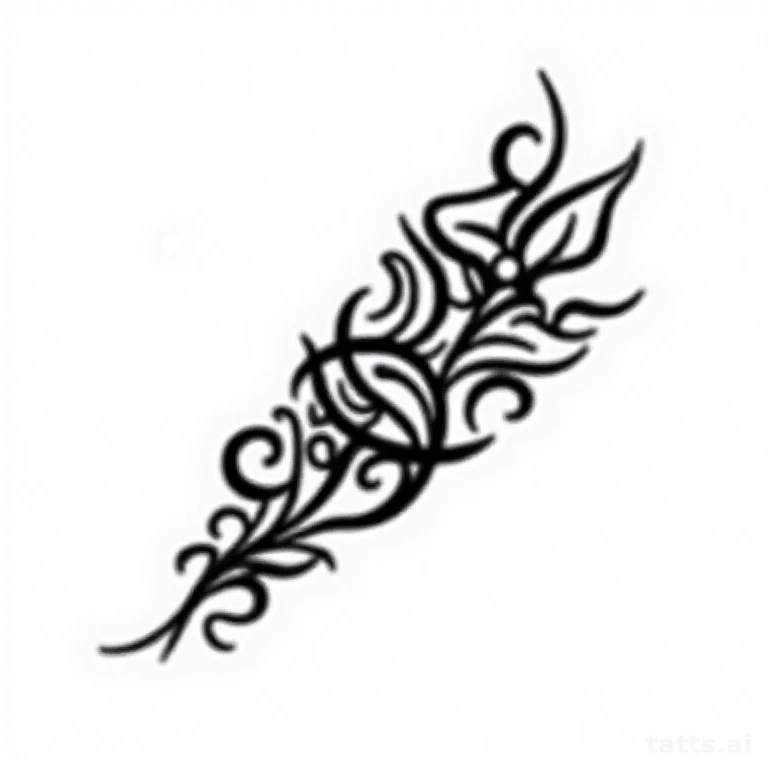
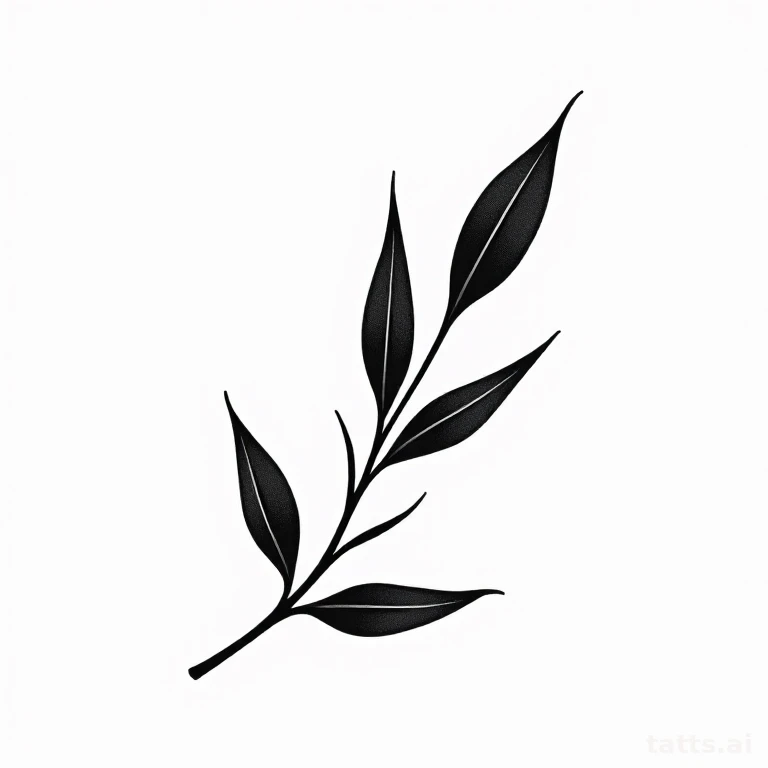
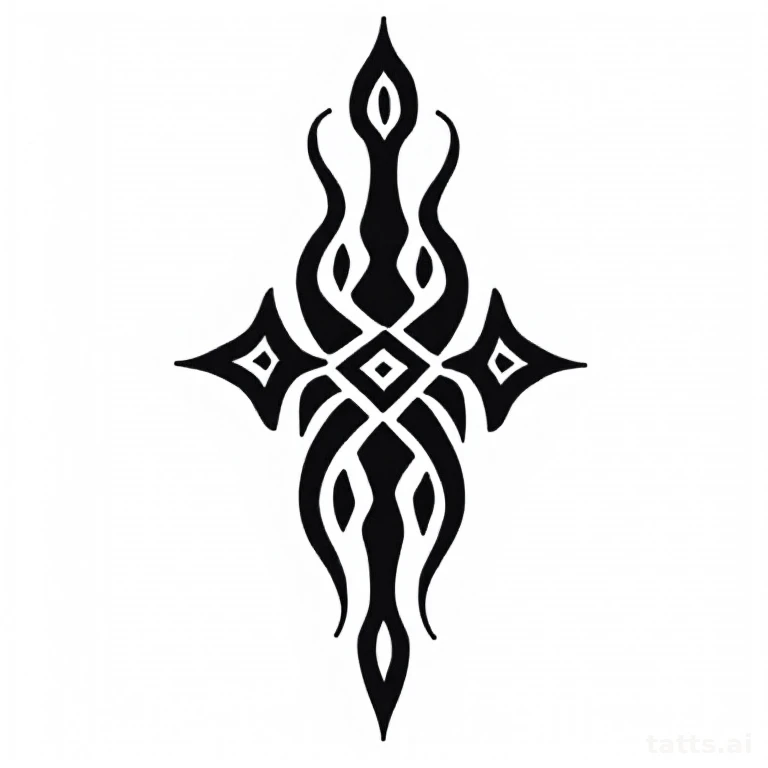
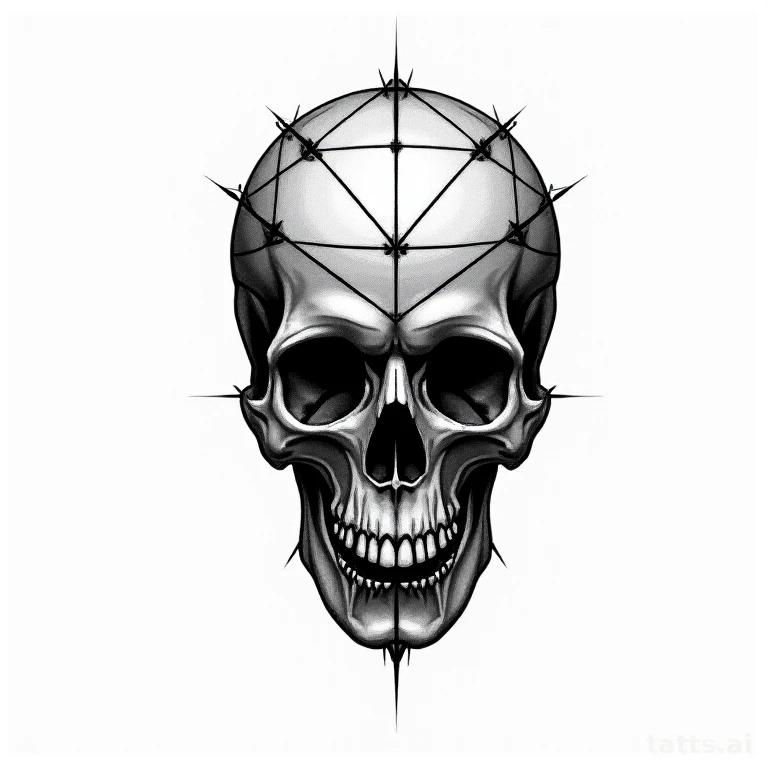
Geometric blackwork uses precise linework and solid fill in repeating patterns — triangles, sacred geometry, structured panels — that align naturally with the forearm's straight bone structure. Illustrative blackwork (animals, botanical, figures) relies more on negative space to define form within solid black shapes, letting bare skin do the work that grey shading would in realism. Pattern-based blackwork (tribal-influenced, ornamental) wraps the forearm's curve with flowing bands of solid black that use the taper itself as part of the composition's rhythm.
Session Planning for Heavy Black Fill
Because blackwork often means packing in dense solid black rather than light fine lines, swelling and skin fatigue set in faster during a session than with comparable fine-line work — most artists cap heavy-fill blackwork sessions at 4-5 hours even if the piece could technically be finished in one longer sitting, since ink saturation quality drops once skin starts overworking. A large forearm panel is often split into an outline-and-partial-fill session followed by a second session to complete solid black areas.
Frequently asked
- Why does blackwork work so well on the forearm specifically?
- The forearm offers a flat, low-fat, muscular surface that keeps solid black fills and negative space crisp, and its natural taper from wrist to elbow can be used as part of the design's visual rhythm rather than fighting against it. It's one of the most reliable style-placement pairings in tattooing for long-term legibility.
- Does a blackwork forearm piece take longer to tattoo than fine-line work?
- Often yes, even at a similar visible size, because packing in solid black fill takes real needle time compared to a single fine outline. A dense blackwork forearm panel can run 4-6 hours across one or two sessions, whereas a comparable fine-line outline might finish in half that time.
- How long does blackwork on the forearm typically last before fading?
- Longer than almost any other style-placement combination — commonly 20-25+ years looking essentially fresh with basic sun protection. Solid black ink holds saturation far better than fine grey shading or color, and the forearm's low-friction, flat surface adds to that durability.
Make it yours
Generate a one-of-one blackwork forearm design free — then try it on your skin.