Tattoo ideas
Geometric Forearm Tattoo Ideas
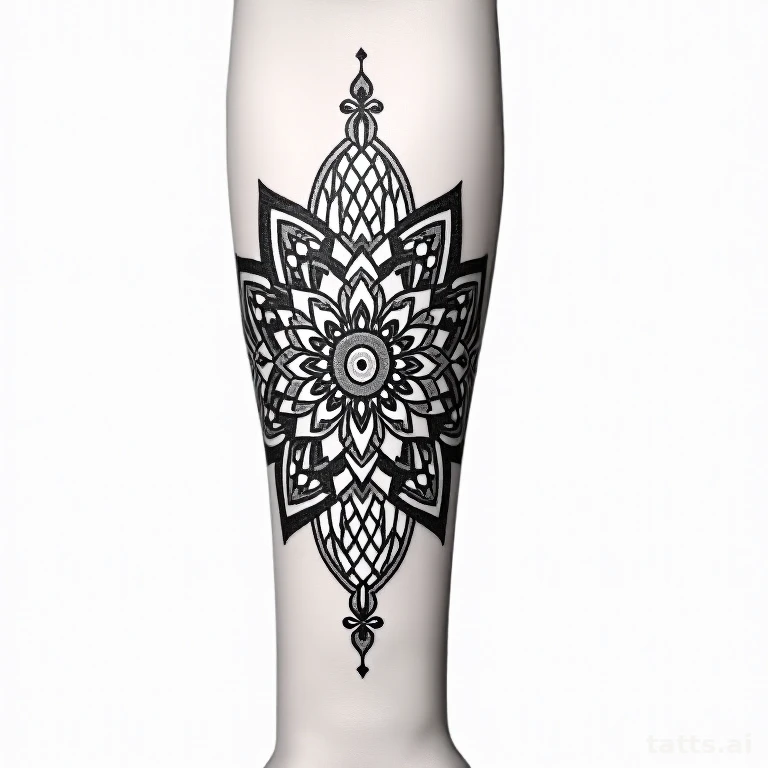
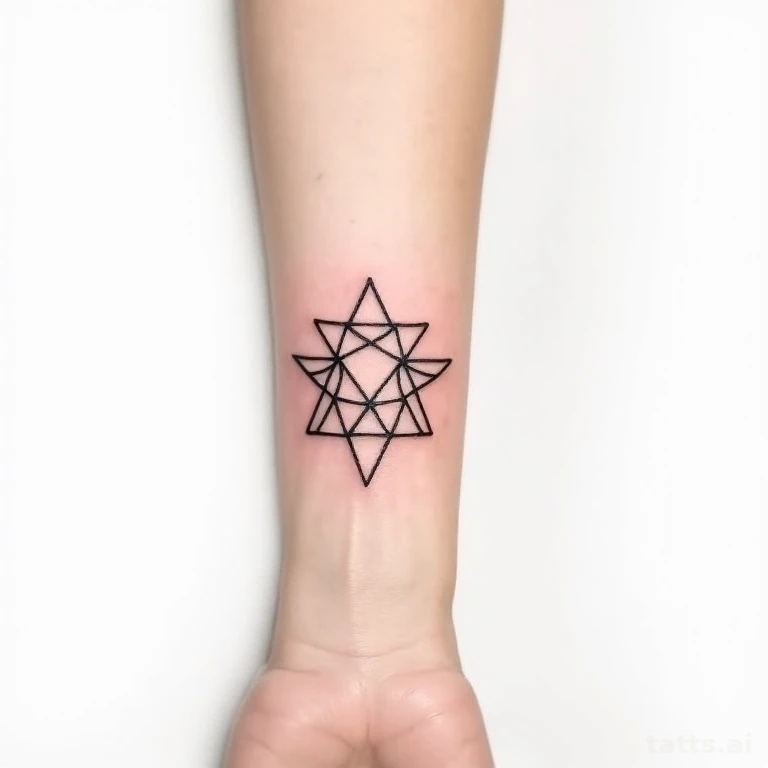
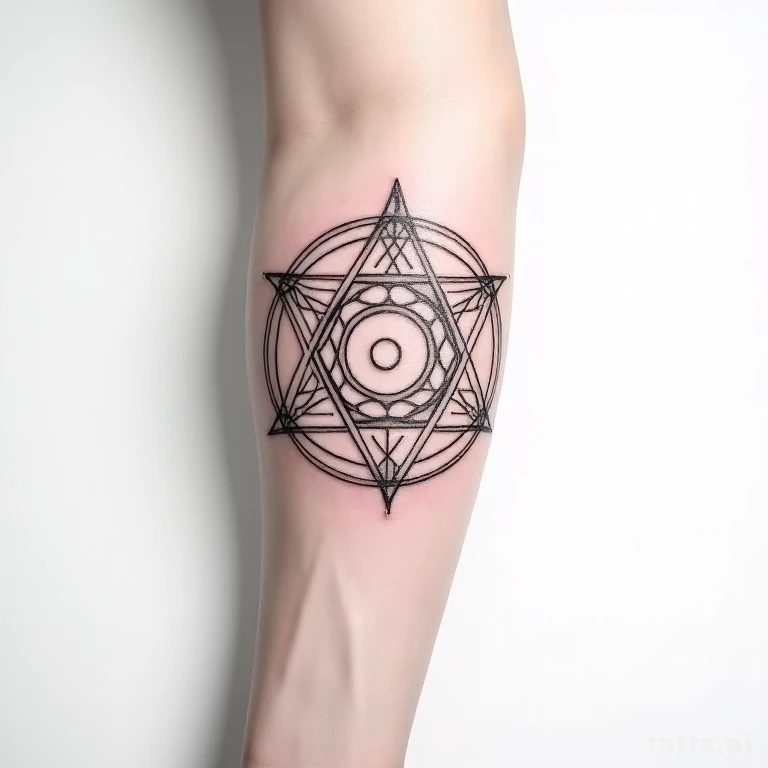
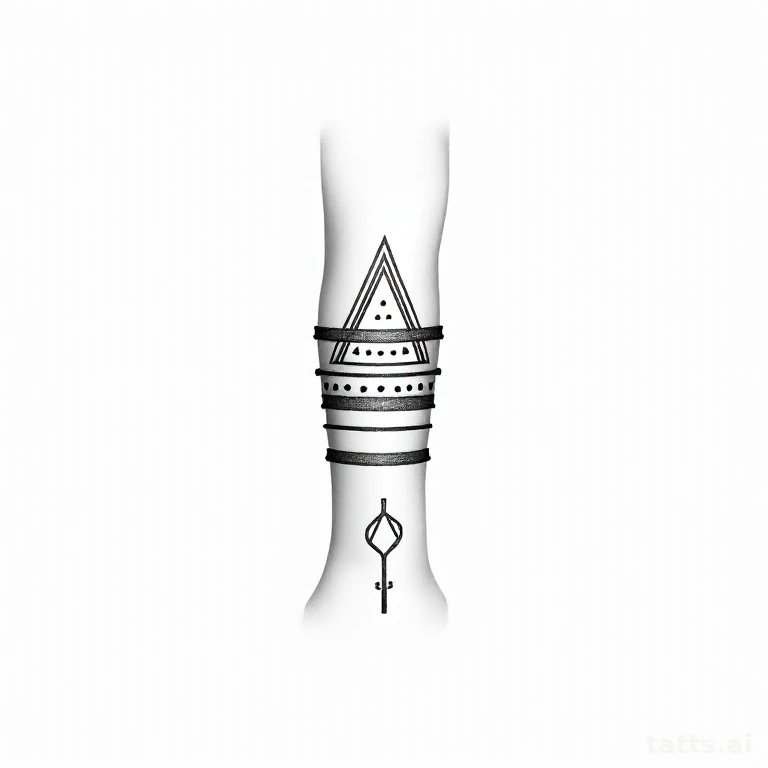
The forearm is arguably the best canvas in tattooing for geometric work because it's long, relatively flat, and visible from multiple angles — a wraparound sacred geometry sleeve reads differently when you rotate your arm, which is a visual trick this style exploits better than almost any other. Sacred geometry patterns like the Flower of Life, Metatron's Cube, or a simple repeating triangle lattice all benefit from the forearm's natural cylinder shape, since the pattern can continue around the sides without an awkward seam the way it might on a flatter body part.
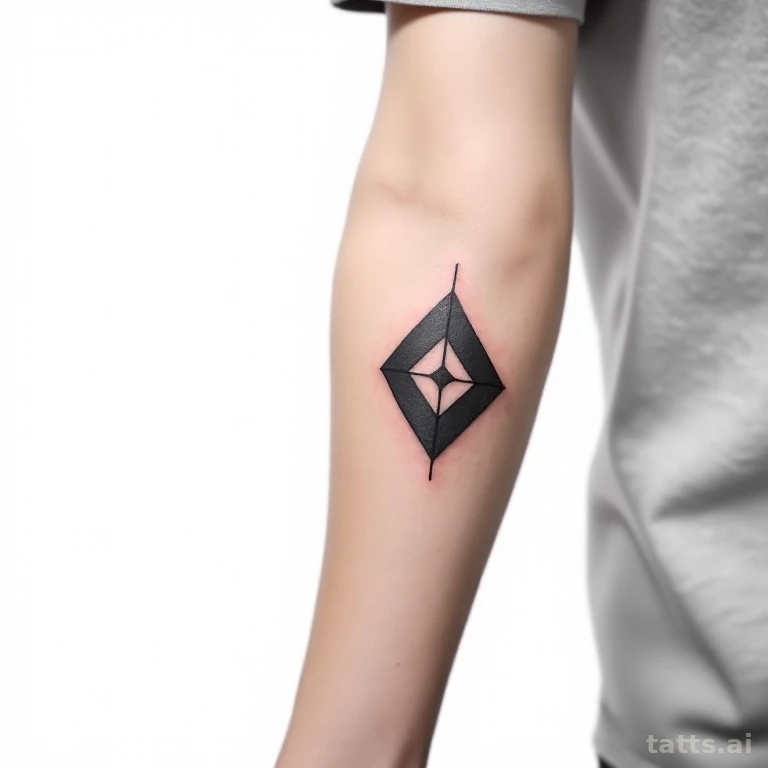
The technical demand here is precision, not shading complexity. Geometric forearm pieces live or die on straight lines, consistent spacing, and exact symmetry — a wobble in a line that's supposed to be perfectly straight is far more noticeable in this style than in organic subjects where a little variance reads as natural. This means your artist needs steady hands and often a ruler or stencil-assist technique for the underlying grid; freehand geometric work from an inexperienced artist is a real risk. Ask specifically to see healed geometric linework, since fresh symmetry can look great and still relax unevenly as swelling goes down.
Forearm pain for geometric work sits toward the lower-moderate end, 3-5/10 on the outer forearm where most of this style's clean linework sits, versus 6-7/10 if the design wraps to the inner forearm where skin is thinner and more nerve-dense. A wraparound piece spanning wrist to elbow needs real planning — most artists map the whole pattern out in stages, tattooing the outer arm first, then wrapping around once the initial linework is confirmed to sit correctly. Size-wise, a focused single-motif piece (one mandala, one sacred geometry shape) works at 3-4 inches, while a full wraparound sleeve segment needs 6-10 inches of continuous forearm space. Bold geometric linework, done with consistent line weight, is one of the longest-lasting tattoo styles available — 15-20+ years without significant blur, since there's no gradient shading to soften and thick black lines resist fading better than fine detail work.
Geometric Forearm designs
Generate your own geometric forearm design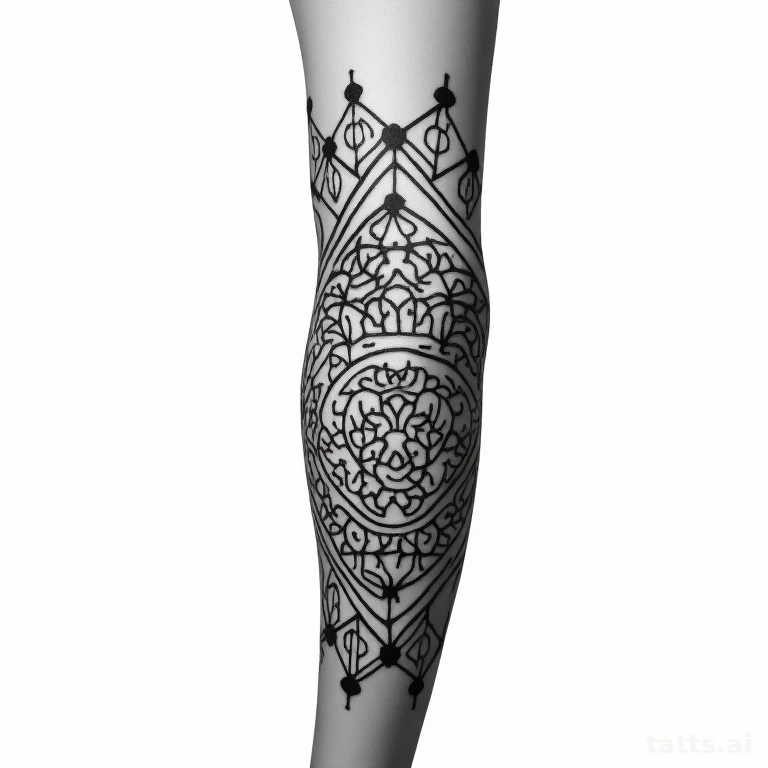
Planning a Wraparound Design in Stages
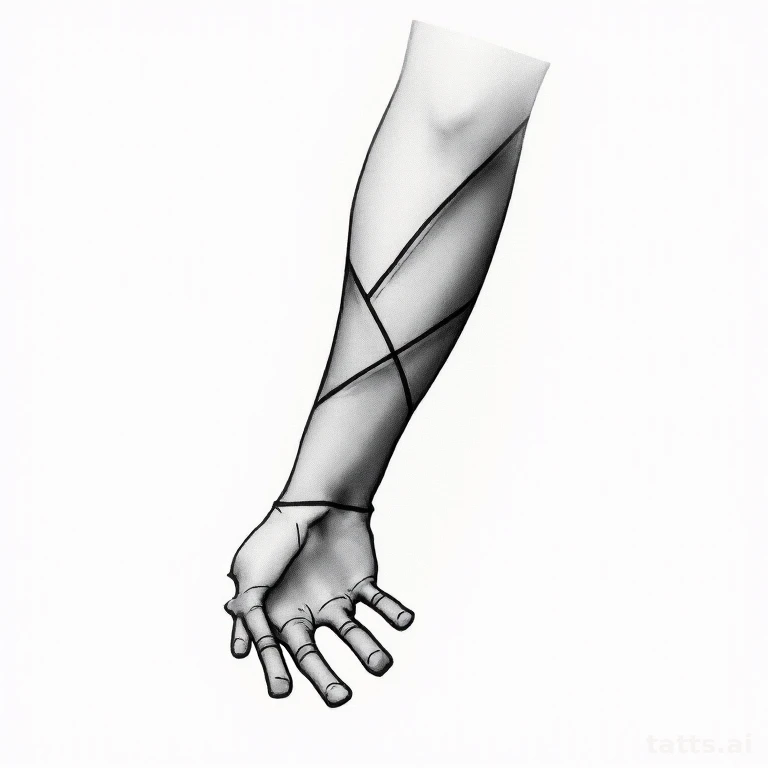
Because the forearm curves, a full wraparound geometric sleeve is usually tattooed in at least two sessions — the visible top/outer portion first, then the underside once the artist can see how the pattern is tracking around the arm. Trying to freehand a symmetric wraparound pattern in one sitting without breaking it into stages is how you end up with a seam where the two sides don't quite line up. If continuity around the whole arm matters to you, ask your artist directly how they plan to handle the wrap before booking.
Negative Space Is Part of the Design
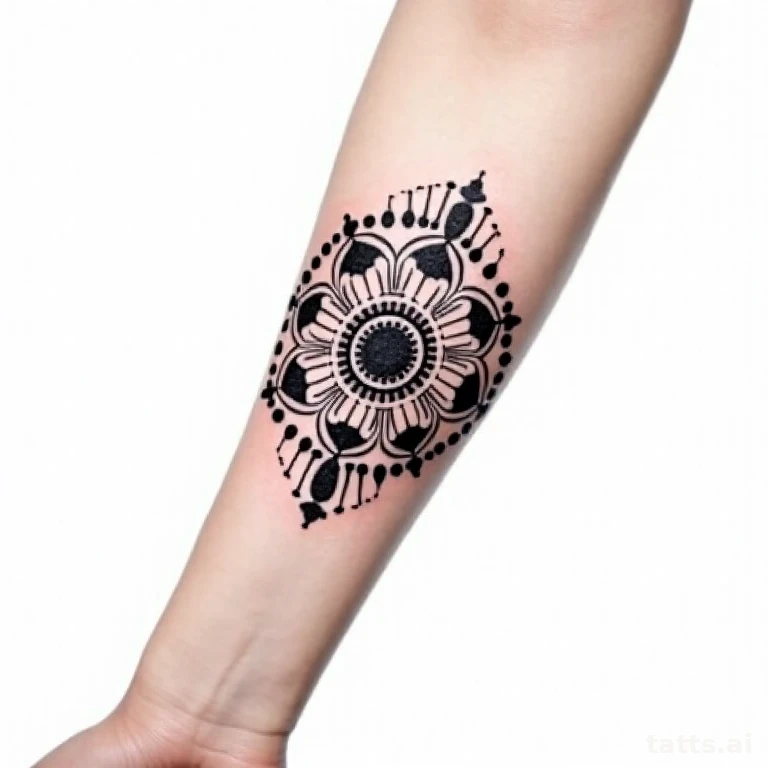
Good geometric forearm work treats untattooed skin as an active design element, not empty leftover space — the gaps between triangles or the open center of a mandala are doing as much visual work as the black lines themselves. This is why overcrowding a geometric piece (trying to fill every inch of the forearm) usually backfires; the pattern reads as busy and cluttered rather than precise. Trust an experienced geometric artist's instinct to leave breathing room, even if your first impulse is to fill more space.
Frequently asked
- How painful is a full forearm geometric sleeve compared to a small piece?
- The pain per square inch is similar (3-5/10 outer forearm, 6-7/10 inner), but a full wraparound sleeve means more total hours in the chair across multiple sessions, which is more a test of sitting tolerance than of any single moment being unusually painful.
- Why do geometric tattoos need such precise stencil placement?
- Because the human eye is extremely sensitive to asymmetry in repeating patterns — a mandala that's off-center by even a few millimeters will look visibly wrong in a way an organic design like a rose wouldn't. Experienced geometric artists spend real time getting stencil placement exact before the needle touches skin.
- Do geometric forearm tattoos need more touch-ups than other styles?
- Less, generally — bold consistent linework without gradient shading holds up extremely well over time. The main risk to watch for is line-weight fading unevenly if the original work wasn't consistent, which is a technique issue rather than something that happens naturally with age.
Make it yours
Generate a one-of-one geometric forearm design free — then try it on your skin.