Tattoo ideas
Geometric Tattoo Ideas
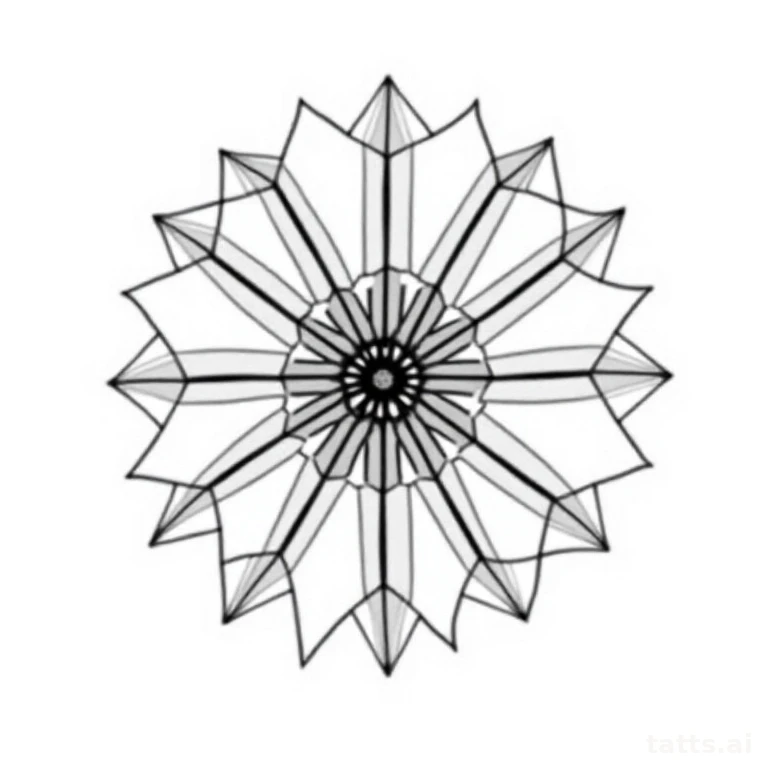
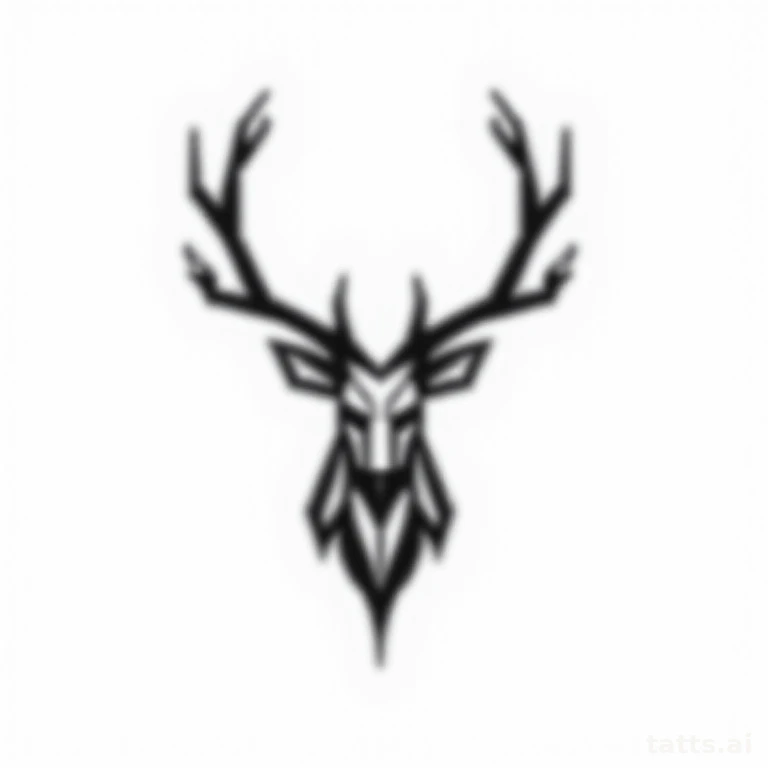
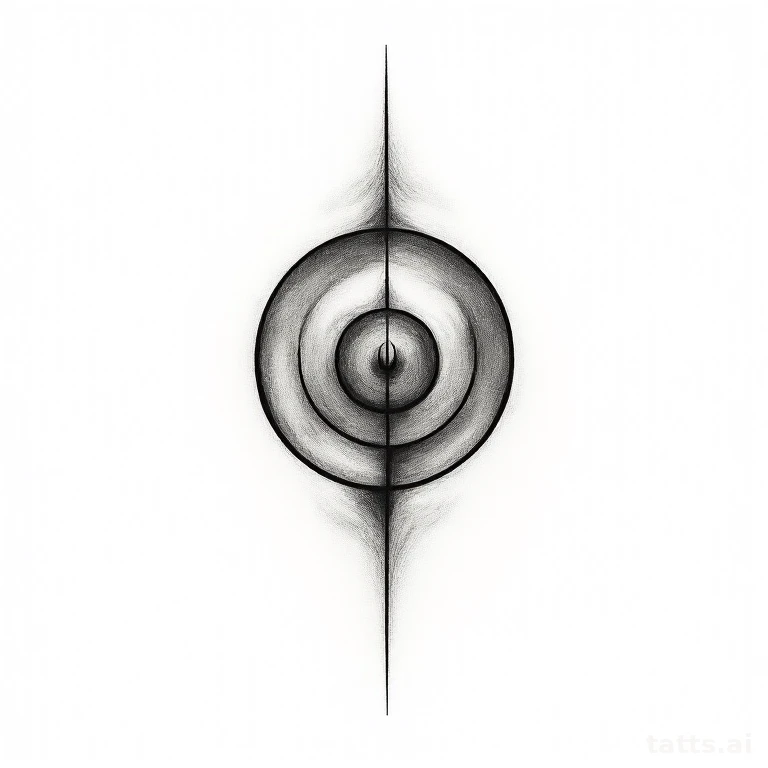
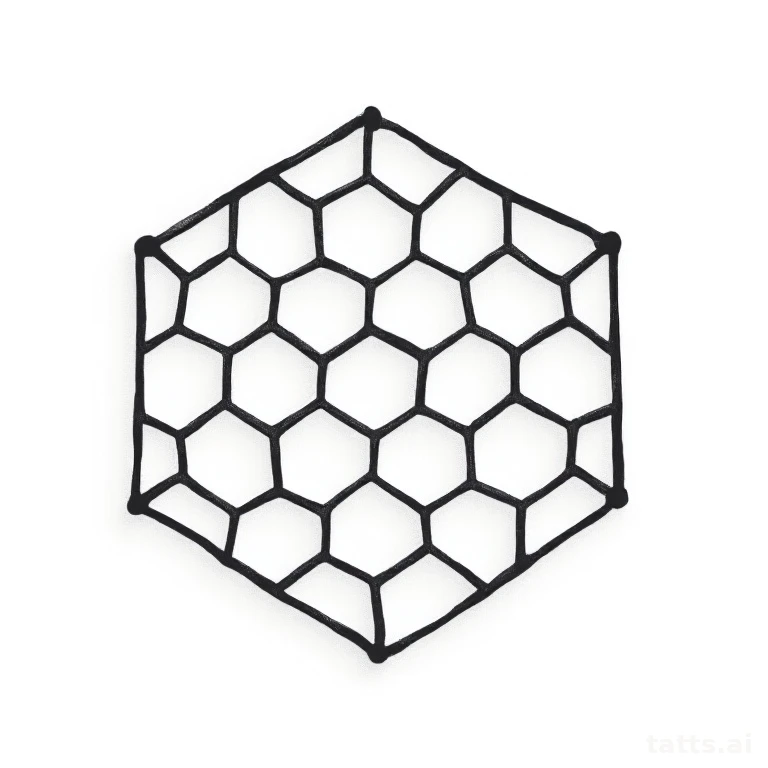
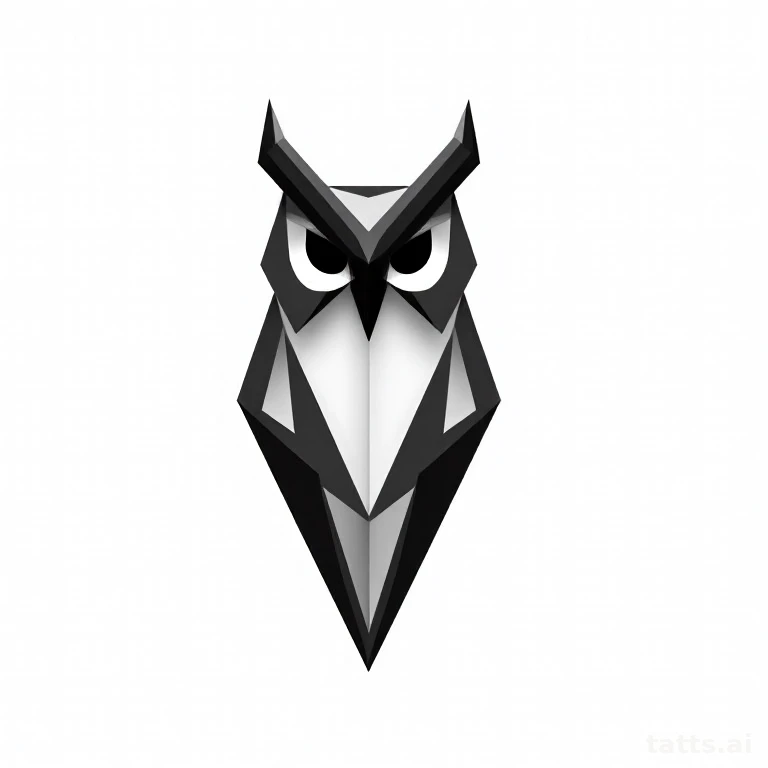
Geometric tattooing treats mathematics as the subject rather than the tool — sacred geometry patterns like the flower of life, metatron's cube, and golden ratio spirals draw on genuinely old lineage (some of these shapes appear in temple carvings and manuscripts going back millennia across Islamic, Buddhist, and Western esoteric traditions), while modern geometric work also covers a second lane: an animal or object rendered as if constructed from crystalline facets, straight lines, and precise angles, popularized by artists riffing on low-poly digital art aesthetics. Both lanes share the same technical demand — the whole style lives or dies on precision. A hand-drawn circle that's 2% off-round or a symmetrical mandala with one segment out of alignment reads as a mistake in a way that wouldn't register in a looser style like traditional or blackwork.
This precision requirement changes how you should pick an artist. Geometric work increasingly uses stencil-assisted or even projector-guided placement to guarantee true symmetry, and a skilled geometric artist will often freehand only the connecting details while keeping the core structural grid mathematically exact. Ask specifically to see extreme close-up healed photos of prior geometric work, because symmetry flaws that are invisible in a normal portfolio shot become obvious once you're looking at the piece daily in a mirror. In terms of aging, geometric tattoos sit in the middle of the pack: the style typically uses solid black linework of moderate-to-bold weight, similar to blackwork in ink density, so a well-executed piece holds its structure for 15+ years, though extremely fine geometric detail (a mandala with hairline internal patterning) will soften faster, closer to fine line's 5-7 year touch-up window.
Placement should be chosen with the body's natural symmetry lines in mind — geometric pieces look intentional on the sternum, spine, or the center of the back specifically because those are the body's actual midline, and a symmetrical mandala centered there reads as designed rather than placed. Off-center or curved placements (forearm, calf, ribs following the rib cage's natural curve) work too, but ask your artist how they'll adjust the pattern's proportions to account for the body's curve — a flat geometric design wrapped onto a curved forearm without adjustment will visibly warp. Pain is placement-dependent as always: forearm and calf run 4-5/10, sternum and spine run notably higher (7-8/10) both from thin skin over bone and from the precision work requiring longer, steadier sessions.
Geometric designs
Generate your own geometric design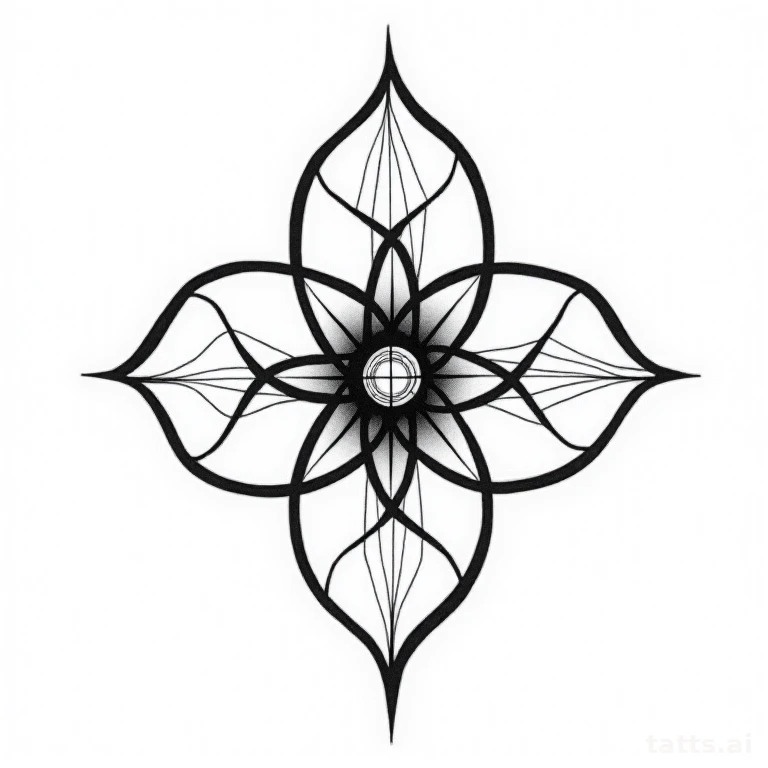
Sacred geometry symbolism worth knowing before you pick a pattern
The flower of life (overlapping circles in a symmetrical bloom pattern) is associated across multiple traditions with creation and interconnectedness. Metatron's cube (built from the flower of life's centers) is tied to balance and the structure of the universe in Kabbalistic and New Age interpretation. The golden ratio spiral references the mathematical proportion found throughout nature, often chosen to represent growth or natural order. None of these carry a single universal meaning — they've been adopted and reinterpreted across cultures and eras — so if a specific tradition's meaning matters to you, research the pattern's actual origin rather than assuming Instagram captions have it right.
Geometric-animal fusion: the low-poly trend explained
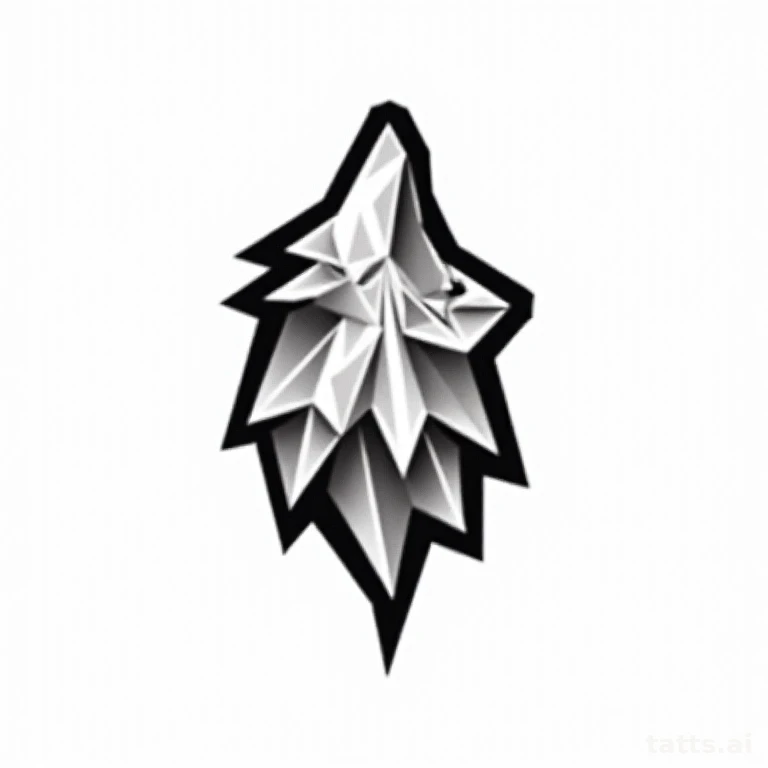
The second major geometric lane takes a recognizable subject (a wolf, a stag, a bird) and reconstructs it from flat triangular facets, as if the animal were built in 3D modeling software and left unsmoothed. This look is newer than sacred geometry (it emerged alongside low-poly digital art in the 2010s) and reads as more contemporary and less spiritually loaded. It requires the same precision demands as pattern-based geometric work but gives more room for a recognizable, personal subject rather than an abstract pattern.
Frequently asked
- Do geometric tattoos need to be perfectly symmetrical to look good?
- For pattern-based sacred geometry pieces, yes — asymmetry reads as an error because the eye immediately catches uneven spacing in a repeating pattern. For geometric-animal fusion pieces the standard is looser since the subject itself isn't meant to be perfectly symmetrical, but internal facet spacing should still be consistent.
- Where on the body do geometric tattoos work best?
- Flat, low-curve areas along the body's natural midline (sternum, spine, center back) let symmetrical patterns sit true without distortion. Curved areas like the forearm or ribs can work well too, but the artist needs to intentionally adjust the pattern's proportions for the curve, or a flat design will visibly warp once placed.
- How long do geometric tattoos last before needing a touch-up?
- Bold geometric linework holds up similarly to blackwork, often 15+ years before needing attention. Finer internal patterning inside a larger geometric design (small connecting lines, hairline detail) fades faster, typically needing a refresh in the 6-8 year range, so ask your artist which parts of your design use thinner lines.
Make it yours
Generate a one-of-one geometric design free — then try it on your skin.