Tattoo ideas
Geometric Wolf Tattoo Ideas
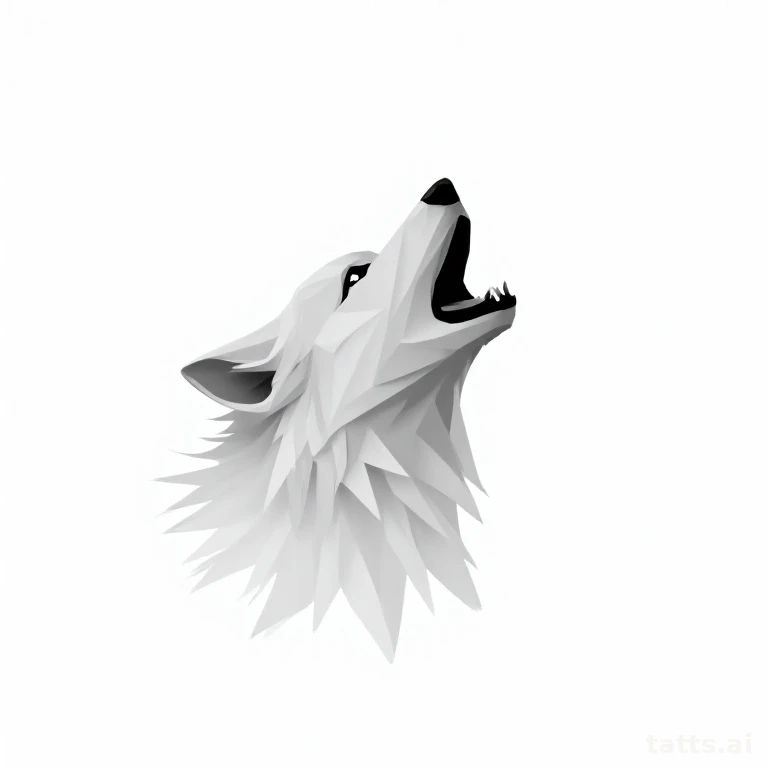
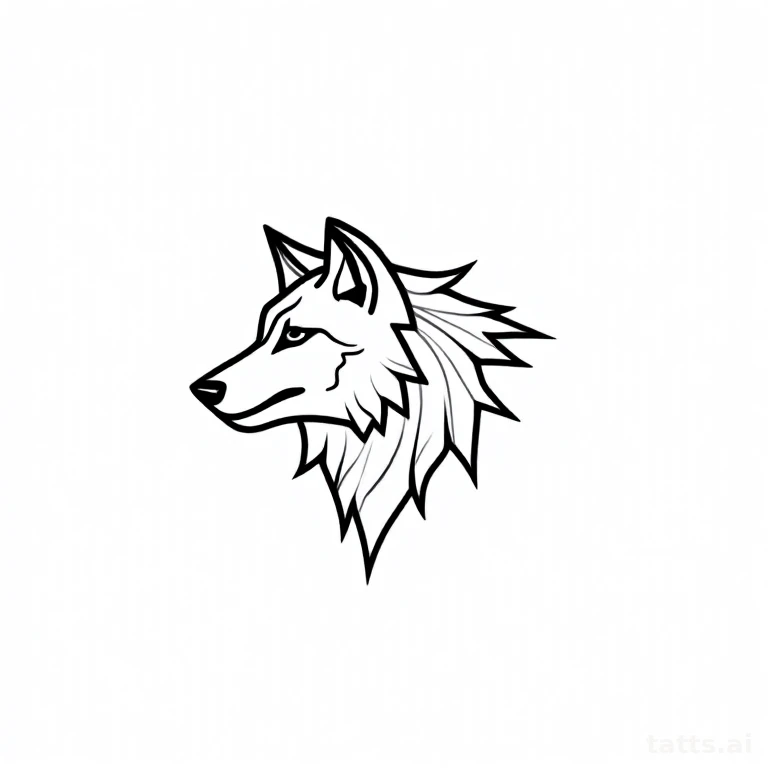
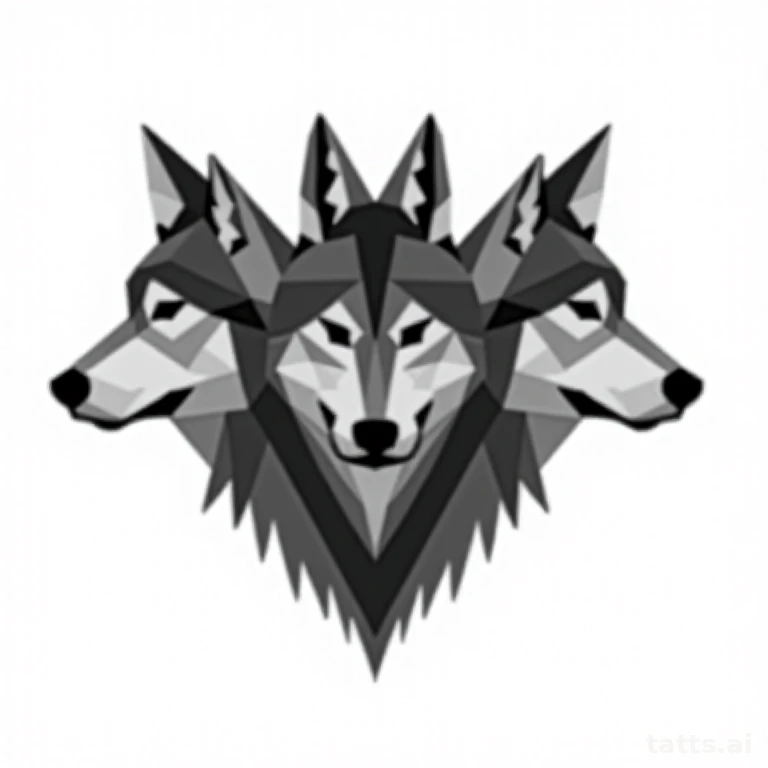
The geometric wolf works by overlaying a low-polygon or sacred-geometry structure onto (or fused with) the animal's silhouette, and the quality of that fusion is the whole ballgame. Done well, the triangular facets should follow the actual planes of the wolf's face — cheekbone, brow ridge, snout bridge — so the geometry reads as an abstraction of real anatomy rather than a random grid slapped over a wolf outline. Done poorly, you get a wolf shape with triangles floating on top that don't relate to the underlying form at all, which is the fastest way to spot an inexperienced geometric artist.
Symbolically this hybrid style adds a layer on top of the wolf's usual meaning (independence, pack loyalty, primal instinct) — the geometric structure typically signals precision, control, or the idea of finding order within wildness. It's a popular choice for people who want the wolf's meaning but find fully photorealistic or traditional wolf pieces too on-the-nose; the abstraction gives it a more contemporary, design-forward feel that reads well in minimalist or architectural aesthetic contexts.
Line weight consistency is the technical detail that determines how this ages. Geometric work relies on crisp, even linework for the polygon facets — any variance in line weight becomes obvious over time as thinner lines fade faster than thick ones, breaking the symmetry that makes the design work. A skilled geometric artist keeps facet lines at a consistent 2-3 weight throughout, sometimes using dotwork shading within specific facets to add depth without introducing gradient blur that would clash with the hard-edged aesthetic. Placement-wise, forearm and upper arm are the top choices because the geometric grid reads clearly on a relatively flat surface — 5-7 inches is the sweet spot, big enough for facet detail without cramming. Pain is moderate, 4-6/10 on forearm and outer arm since geometric work is mostly clean linework rather than dense shading, though heavily dotted facets add time and a bit more discomfort, closer to 6/10. This style ages remarkably well if line weight was done correctly — expect 15+ years of sharp geometry with minimal blur, since there's no delicate gradient to soften, just bold black lines holding their edge.
Geometric Wolf designs
Generate your own geometric wolf design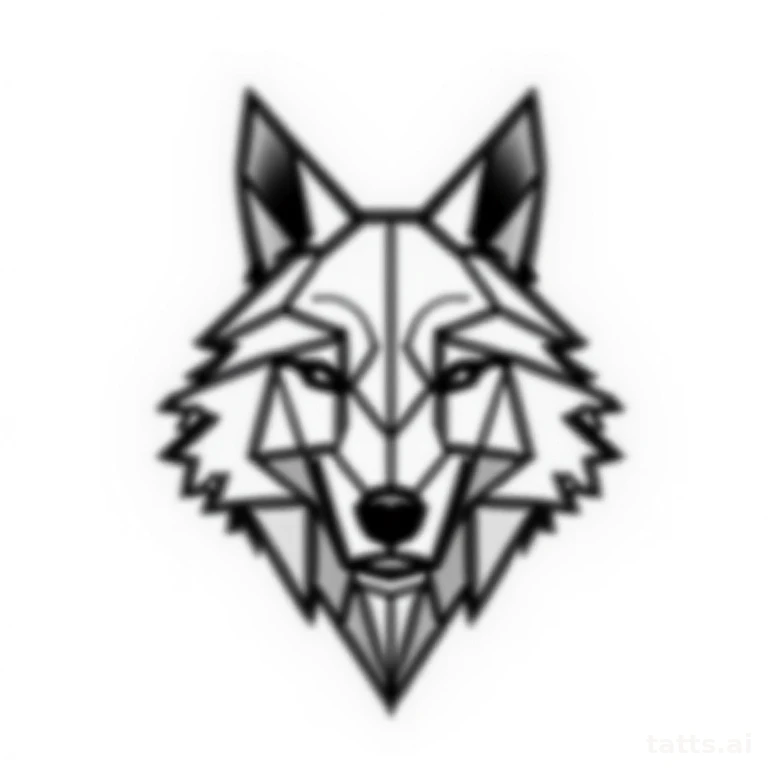
How Much Wolf Detail to Keep vs. Abstract Away
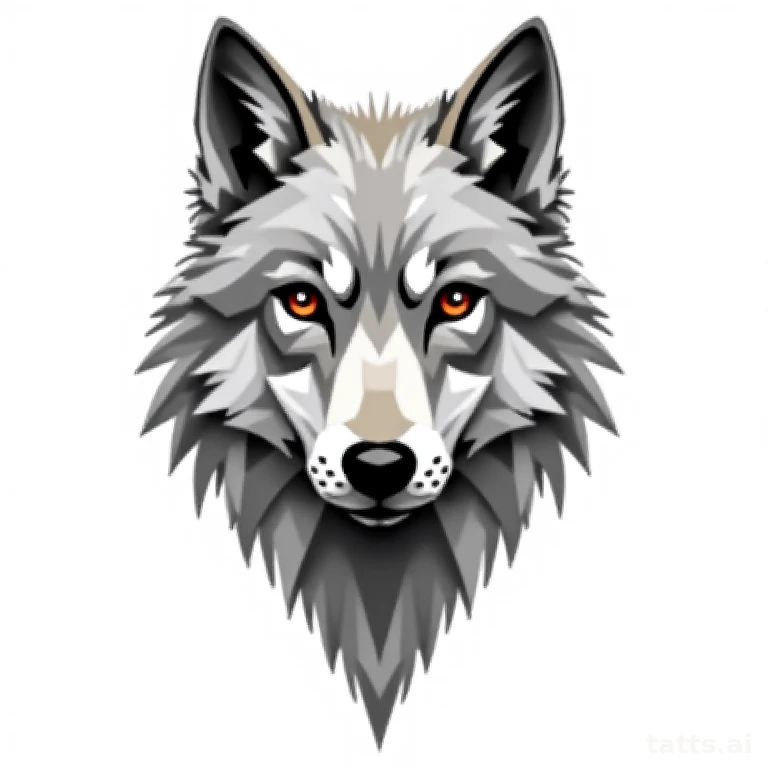
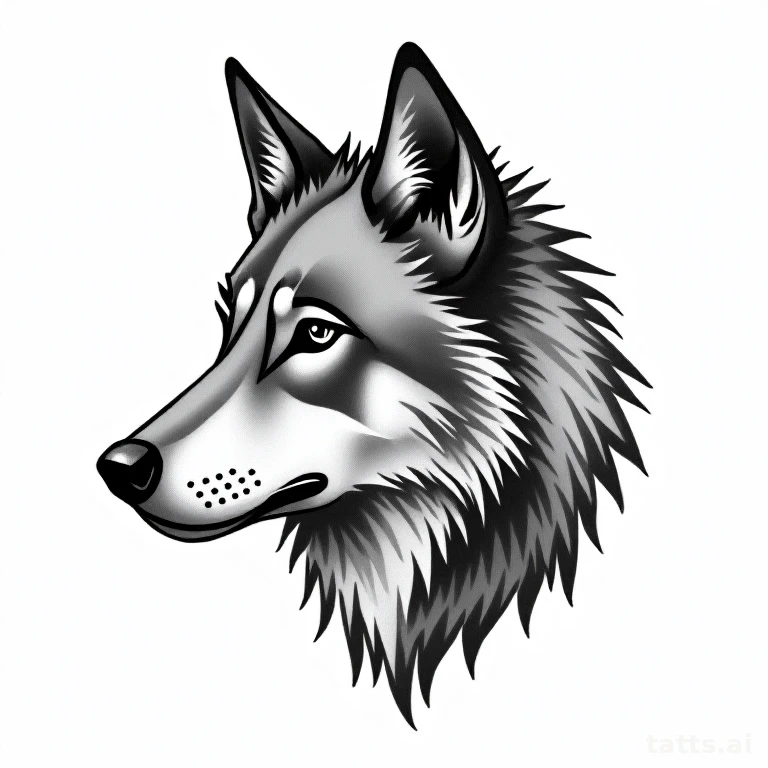
The best geometric wolf pieces make a clear choice about how much realistic detail survives the abstraction — some keep photorealistic eyes as the single organic focal point surrounded by hard geometric facets (a striking, popular contrast technique), while others go fully abstract with no organic elements at all. Mixing too much realistic shading into a mostly geometric piece muddies both styles; decide upfront whether you want a hybrid focal-point approach or a pure geometric silhouette, and say so clearly during the consultation.
Dotwork Shading Inside Facets
Some geometric wolves use stippled dotwork within individual triangle facets to suggest depth or fur texture without breaking the hard-edged look. This adds meaningful session time (dotwork is slow, methodical work) and a moderate pain increase since the needle passes over the same small area repeatedly, but it gives the piece more visual richness than flat line-only geometry. If you want maximum longevity with minimum touch-up need, flat unshaded facets outlast dotwork-shaded ones, though both hold up better than gradient shading.
Frequently asked
- Does a geometric wolf need to be perfectly symmetrical?
- Not necessarily — many strong designs use asymmetric facet patterns that still feel intentional and balanced. What matters more is that the triangle sizes and line weights stay visually consistent across the piece; true mathematical symmetry is less important than clean, confident execution.
- Can I combine geometric wolf with mandala or dotwork elements?
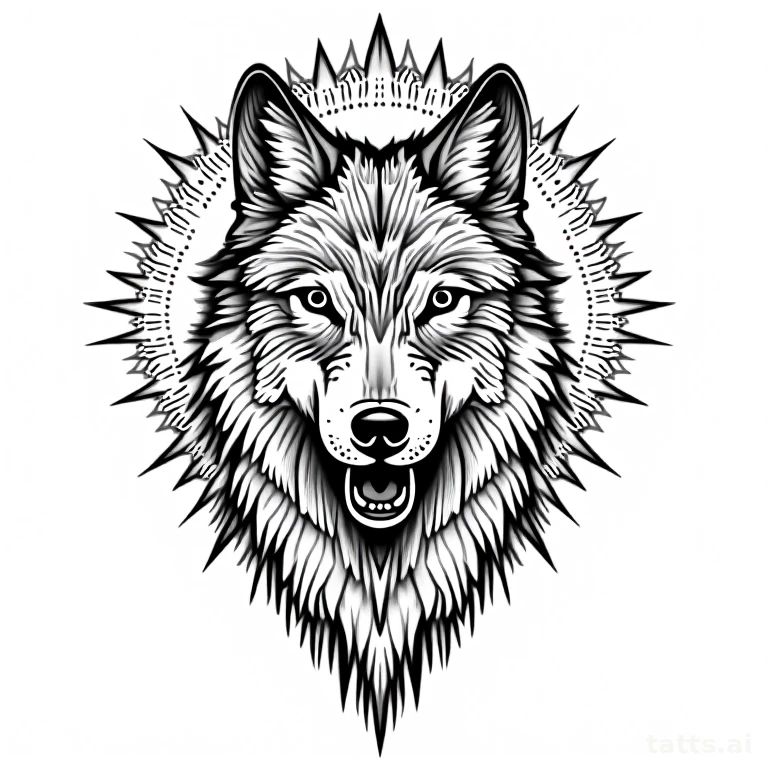
- Yes, this is a common and effective pairing — a mandala or dotwork sun behind the wolf's head, for instance, extends the geometric theme outward and gives the composition a natural background instead of leaving the wolf floating in empty space. Just make sure the added elements share the same line weight so the whole piece reads as one cohesive style.
- How does geometric wolf pain compare to realistic wolf pain?
- Generally lower — geometric work is mostly clean outline and moderate shading rather than the dense, repeated shading passes realism requires to build fur texture. Expect roughly 4-6/10 on typical placements versus 5-7/10 for a comparable realistic wolf piece in the same spot.
Make it yours
Generate a one-of-one geometric wolf design free — then try it on your skin.