Tattoo ideas
Back Tattoo Ideas
The back is the largest contiguous canvas the body offers, which is exactly why it's where full backpieces, large Japanese scenes, and multi-panel narrative tattoos live. Pain varies more across the back than on almost any other single placement: the broad flat muscle areas (lats, upper back away from the spine) sit around 3-4 out of 10, while the spine itself, with bone directly under thin skin and no muscle buffer, spikes to 7-8. Ribs wrapping around the sides push even higher, commonly cited as 8-9, among the most painful spots in tattooing. A full backpiece session plan has to route around these hot zones deliberately, which is part of why large back work is broken into multiple sittings rather than pushed through in one go.
Because the back is invisible to the wearer without a mirror, it tends to attract the most ambitious, least self-conscious designs — people choose subject matter here they wouldn't put somewhere they see daily, since the audience for a backpiece is other people, not yourself in a mirror each morning. This also means proportion and composition matter enormously: a backpiece spanning shoulder blades to lower back needs to be storyboarded as one continuous image, not assembled piecemeal, or the negative space and flow between panels ends up looking accidental rather than composed.
A full backpiece realistically takes 4-10+ sessions of 3-5 hours each, spread over 6-18 months, and costs scale accordingly — this is not a spontaneous walk-in tattoo. Healing-wise, the back is awkward to reach for aftercare (you'll need help applying ointment for the first week) but heals evenly since it's low-friction from clothing. Longevity is excellent: broad back panels away from the spine hold bold linework for 30+ years with basic sun protection, making the back one of the best investments for a large, detailed piece meant to last a lifetime.
Back designs
Generate your own back design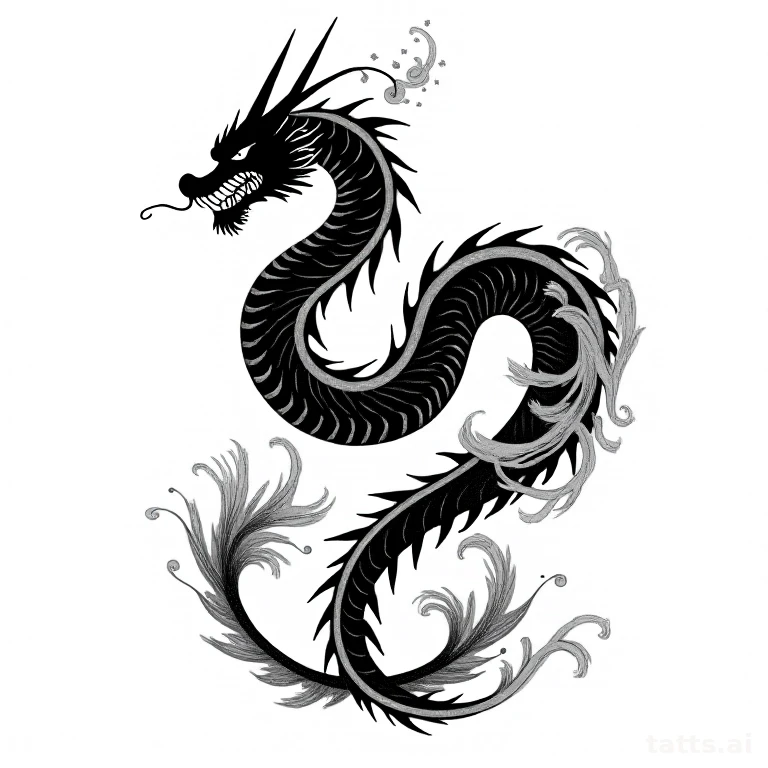
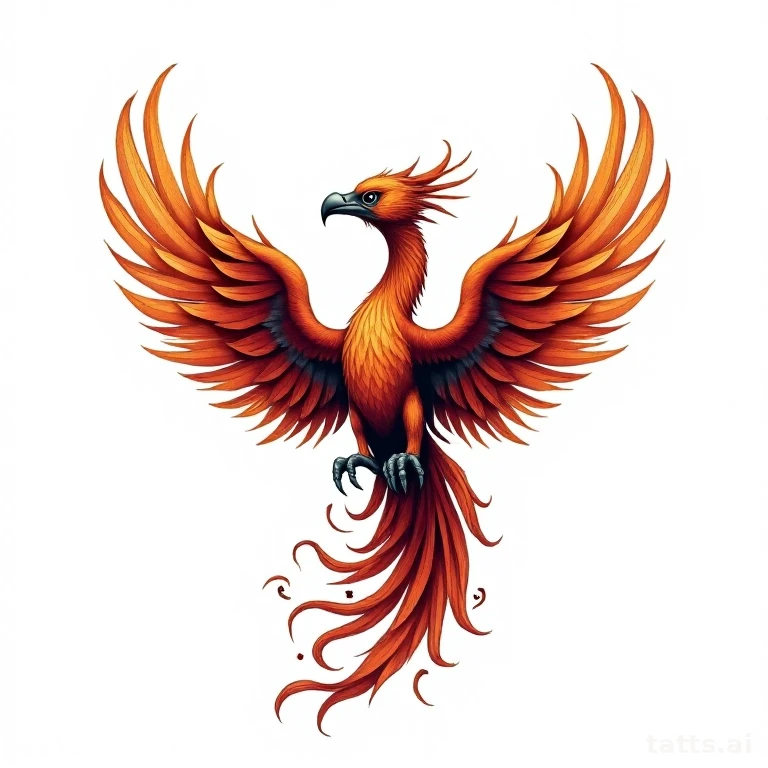
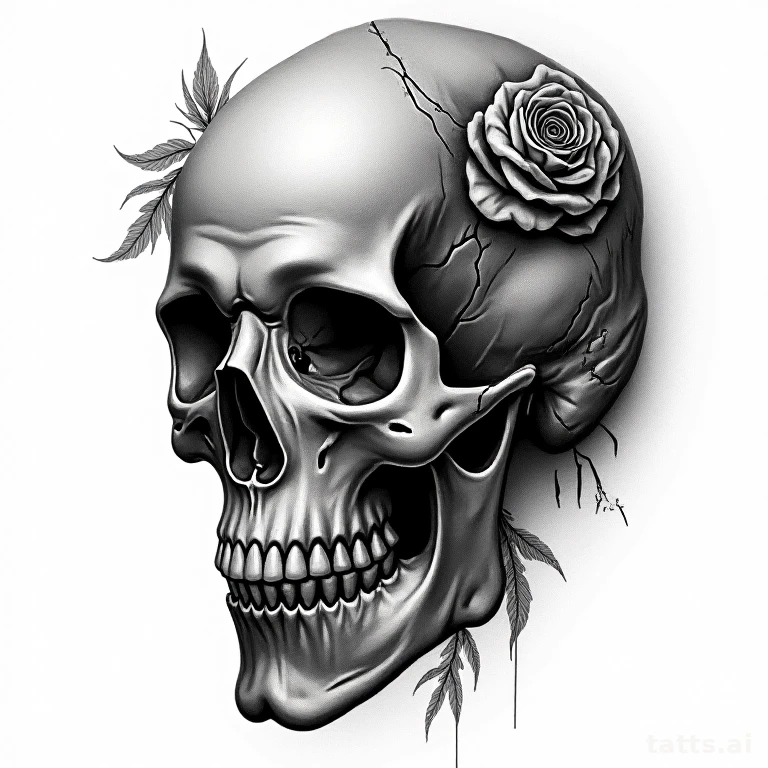
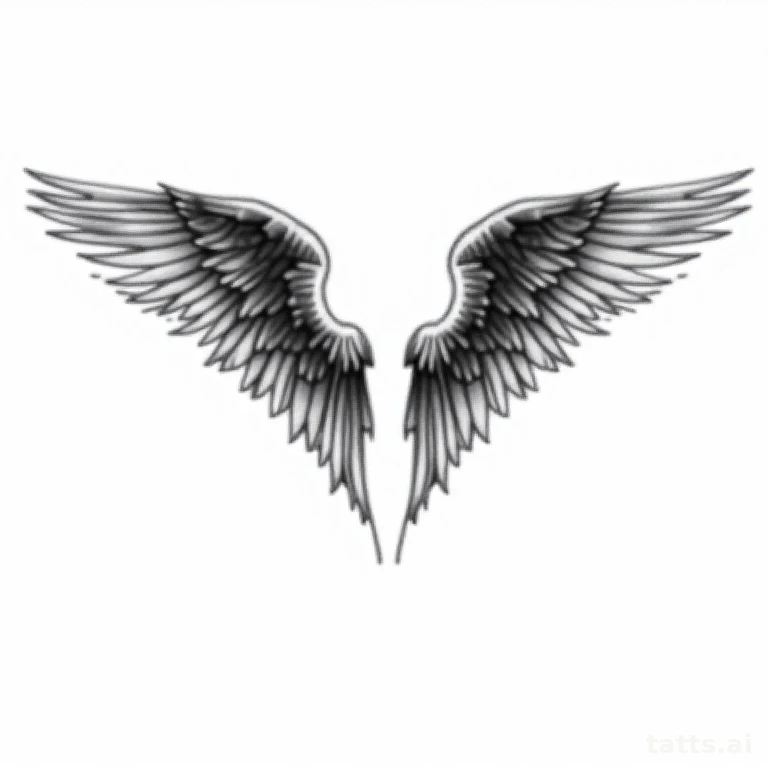
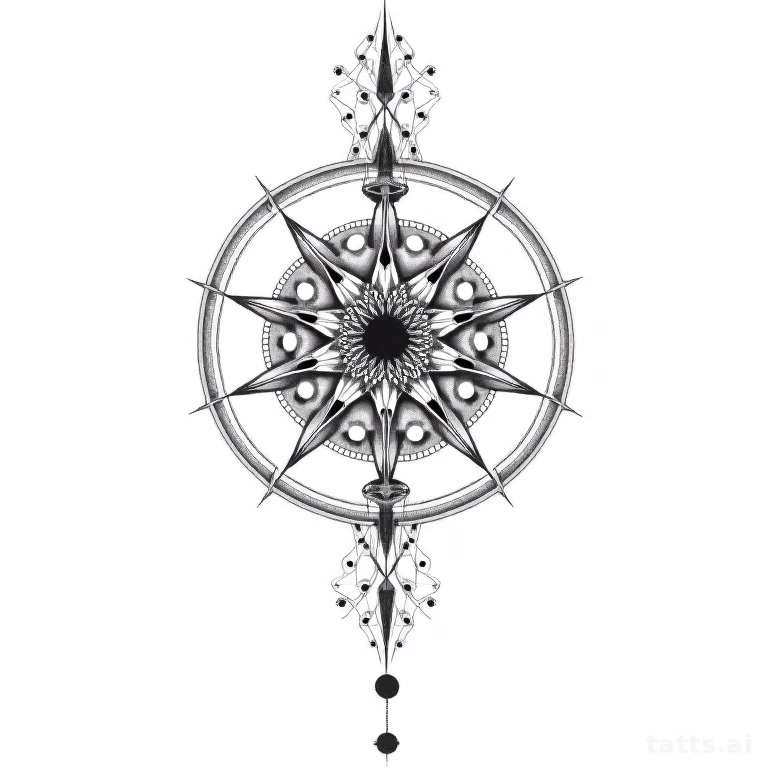
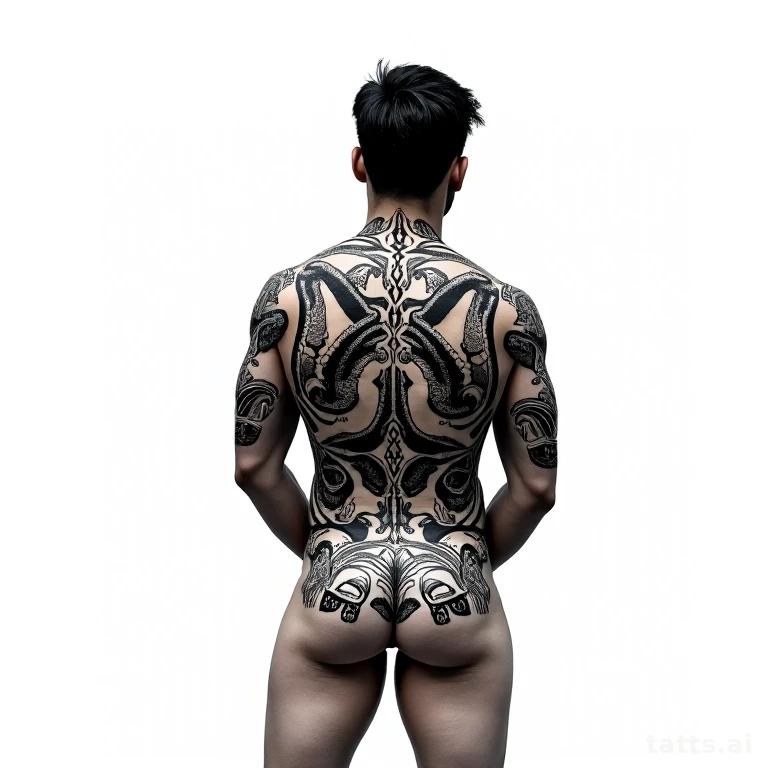

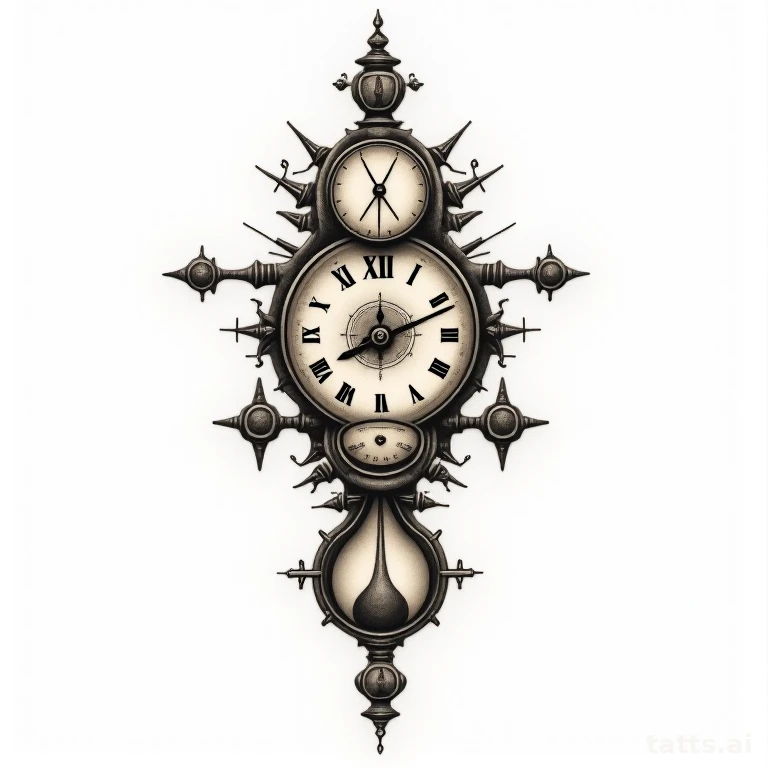
Upper Back, Lower Back, and Full Backpiece
Upper back (between the shoulder blades) is a popular standalone placement for wings, script, or a medium-sized centered image, and it's comfortably tolerable since it's mostly muscle and fat. Lower back sits over less padding near the lumbar spine and can be more tender, especially close to the tailbone. A full backpiece connects both zones plus the sides into one composition — this is a serious multi-session commitment best suited to bold traditional or Japanese styles that read clearly from a distance, since fine detail gets lost across that much surface area.
Sequencing a Multi-Session Backpiece
Most artists start a backpiece with the outline across the full composition in session one, then work fill and shading section by section in subsequent visits, saving the spine and rib-adjacent areas for later sessions once you're acclimated to the process. Expect 4-6 weeks minimum between sessions on overlapping or adjacent skin so swelling and scabbing fully resolve before the needle returns to that zone. Because this is such a long-term project, choosing an artist whose portfolio shows large-scale cohesive backpieces — not just isolated small tattoos stitched together — matters more here than for almost any other placement, and a written session plan up front keeps cost and timeline expectations honest.
Frequently asked
- Does getting a tattoo on the spine hurt significantly more?
- Yes, considerably. The spine has bone sitting just under thin skin with no muscle cushioning, and most people rate it 7-8 out of 10, compared to 3-4 on the broader flat muscle areas of the back just a few inches away. Designs that must cross the spine usually book that section for a separate, shorter session.
- How long does a full backpiece take to complete?
- Plan for 4-10+ sessions of 3-5 hours each, spread across 6-18 months to allow proper healing between adjacent sections before the next round of needlework touches nearby skin. It's one of the longest tattoo projects in terms of calendar time, comparable only to a full sleeve or full-body work, and budgeting the timeline matters as much as budgeting the cost.
- Do back tattoos age better than other placements?
- Generally yes, on the broad flat sections away from the spine — low friction from daily movement and minimal joint-bending means bold linework can hold sharp edges for 30+ years. The spine and rib-adjacent edges fade a bit faster due to thinner skin, but the majority of a large backpiece ages very well with basic sun care.
Make it yours
Generate a one-of-one back design free — then try it on your skin.