Tattoo ideas
Sleeve Tattoo Ideas
A sleeve isn't one tattoo — it's a project, usually five to fifteen separate sessions spread across a year or more, and treating it that way from day one is what separates a sleeve that looks designed from one that looks accumulated. Pain varies wildly by zone within a single sleeve: the outer bicep and outer forearm sit around 3-4 out of 10, the inner bicep and inner elbow (the ditch) spike to 6-7 because of thin skin over nerve-dense tissue, and the armpit-adjacent inner bicep is genuinely one of the worst spots on the arm. Most artists sequence sessions to hit the easier zones first and save the ditch and inner bicep for when you're mentally prepared for a longer, harder sit.
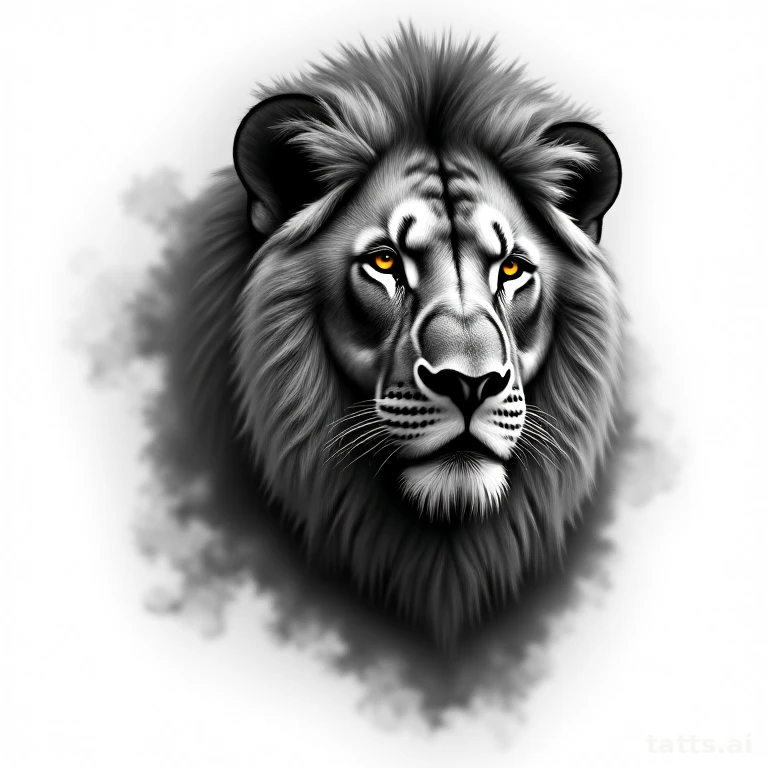
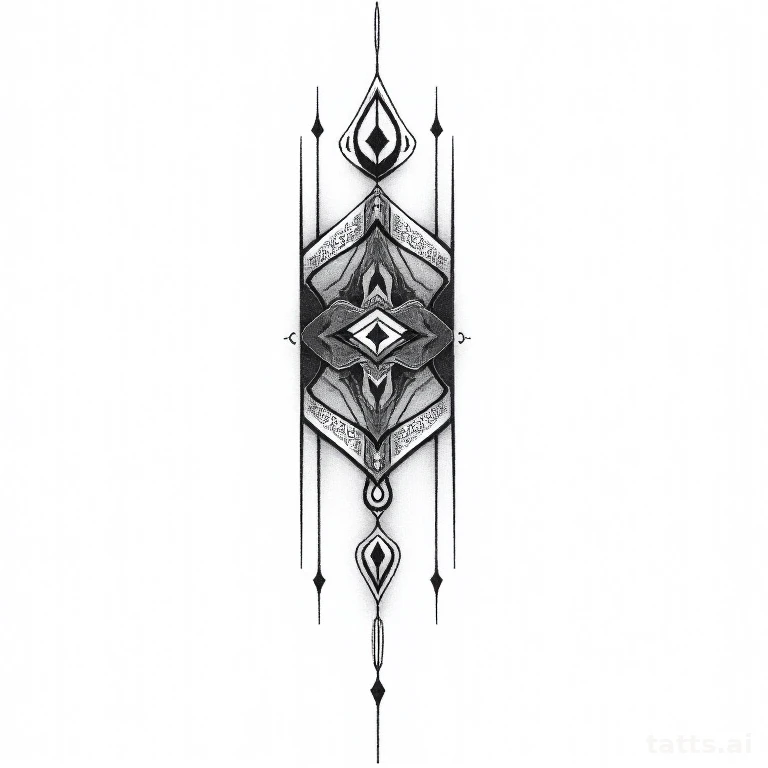
The defining decision is cohesion strategy: full-color Japanese sleeves use background elements (wind bars, waves, clouds) to link separate subjects into one continuous scene, while black-and-grey realism sleeves often rely on smoke, fog, or geometric fill to bridge disconnected portraits and objects. A half sleeve (shoulder to elbow) runs roughly $800-2,500 depending on region and detail; a full sleeve (shoulder to wrist) commonly lands $3,000-8,000+ across all sessions when done by an established artist. Budget sessions at 2-4 hours each — anything longer and skin swelling starts degrading line quality.
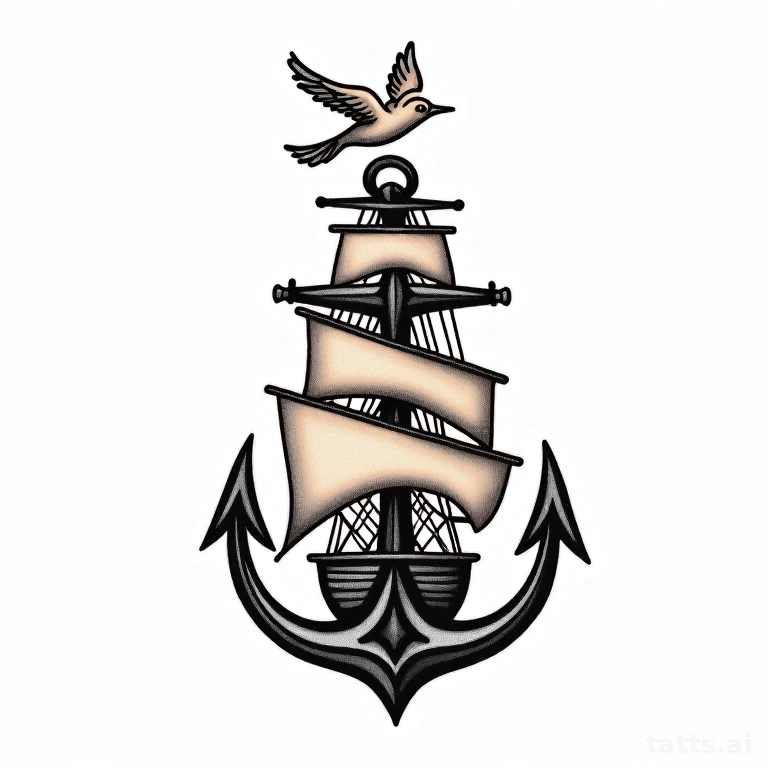
Aging is the part people underestimate. A sleeve is the largest sustained UV exposure surface on your body if you wear short sleeves in summer, so sun care isn't optional — bold traditional and Japanese work with saturated black and primary colors holds up for decades with sunscreen, while fine-line or single-needle realism sleeves soften noticeably by year 8-10 and need touch-ups to stay crisp. Plan your sleeve's negative space early: a sleeve with visible skin gaps between elements ages better and reads less muddy than one packed edge-to-edge, and it gives you room to add a piece later without cramming.
Sleeve designs
Generate your own sleeve design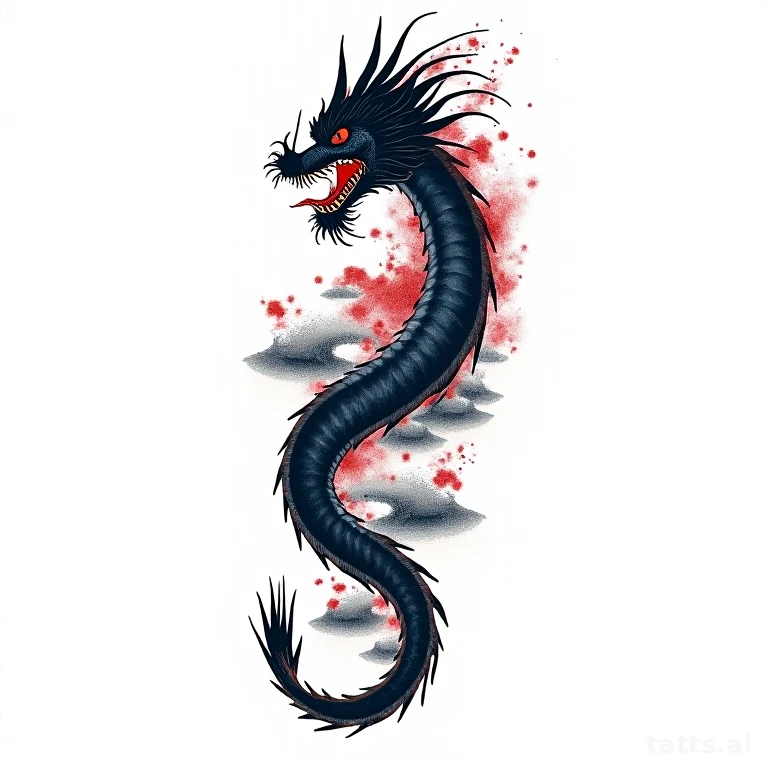
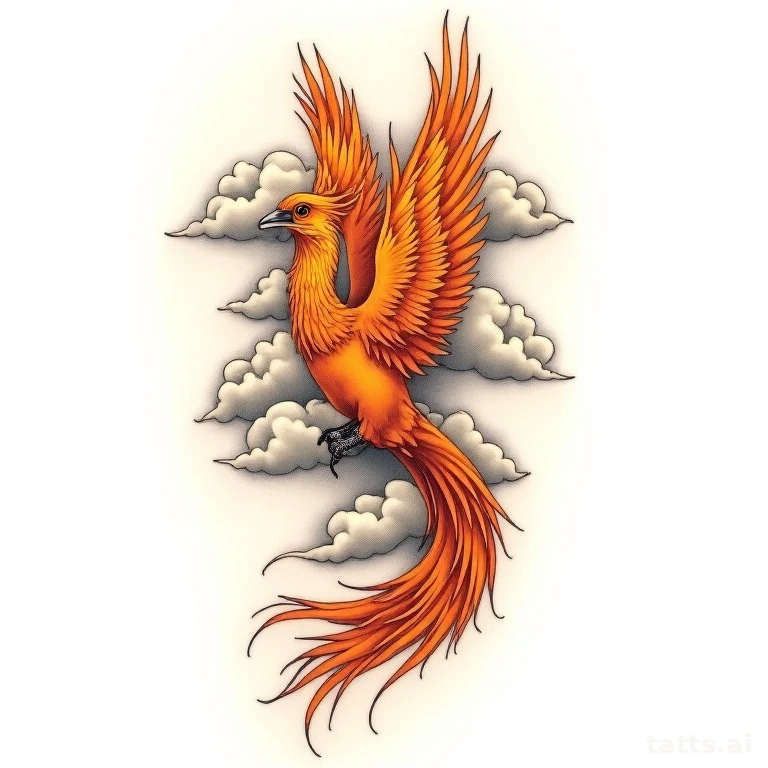
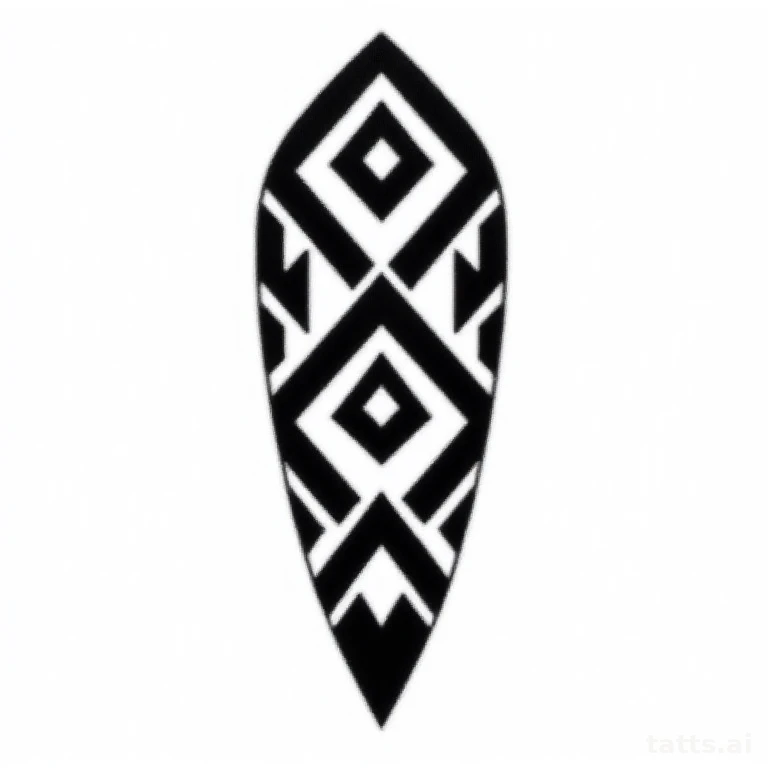
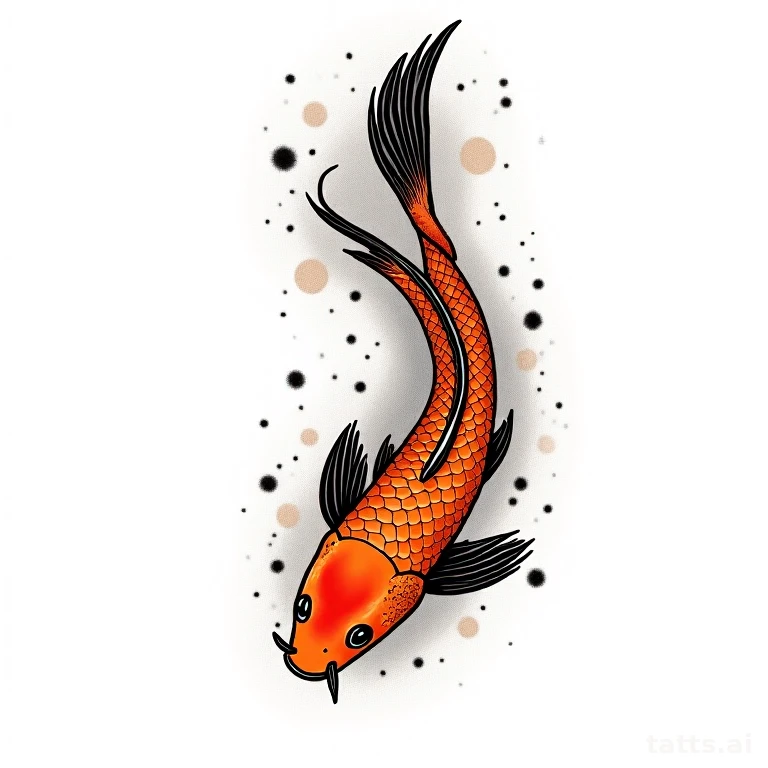
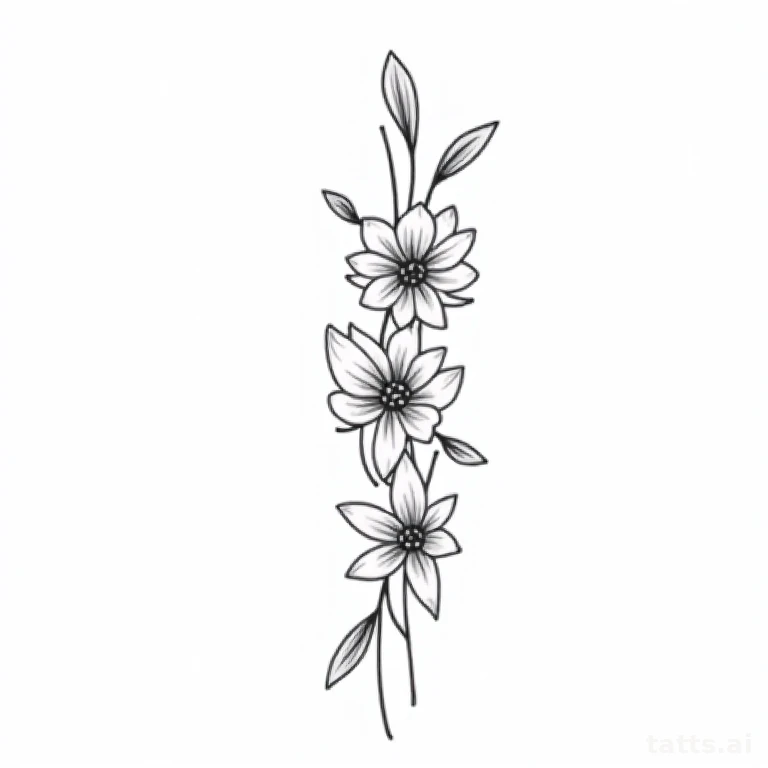
Full Sleeve vs Half Sleeve vs Quarter Sleeve
A quarter sleeve (shoulder cap only, roughly 4-5 inches) is a reasonable single-session commitment and a common way to test whether you actually want a full sleeve before booking a year of appointments. A half sleeve runs shoulder to elbow and is the most requested option because it's fully coverable with a short-sleeve button-down and still gives an artist enough real estate for a real composition. A full sleeve extends to the wrist and requires the most planning since the forearm and bicep have different proportions, different skin behavior, and different pain thresholds — a good artist storyboards the whole arm before the first needle touches skin.
Keeping Multi-Session Work Cohesive
The single biggest sleeve mistake is booking pieces from different artists in different styles without a master plan — you end up with unrelated tattoos that happen to share an arm rather than one sleeve. Stick with one artist for the full build if possible, and if you must switch, bring reference photos of the existing work to the new consult so palette and line weight stay consistent. Between sessions, expect 4-6 weeks minimum healing time on adjacent skin before the next piece touches nearby areas, which is why full sleeves realistically take 8-18 months from first session to completion.
Frequently asked
- How many sessions does a full sleeve take?
- Most full sleeves take 6-15 sessions of 2-4 hours each, spread over 8-18 months to allow proper healing between adjacent pieces. Highly detailed realism or large-scale Japanese sleeves with heavy background work can run longer. Budget for the timeline, not just the cost.
- What's the most painful part of a sleeve?
- The inner elbow (the 'ditch') and inner bicep near the armpit are consistently rated the worst, often 6-7 out of 10, because skin is thin and nerve endings are dense there. Most artists intentionally schedule these zones for a later session once you're acclimated to the process.
- Can I mix styles in one sleeve?
- You can, but it takes deliberate design work to avoid a disjointed look — usually a consistent color palette, shared background texture (smoke, waves, geometric fill), or a unifying border. Discuss this with your artist at the planning stage, not piece by piece, or the sleeve will read as random tattoos rather than one composition.
Make it yours
Generate a one-of-one sleeve design free — then try it on your skin.