Tattoo ideas
Japanese Dragon Sleeve Tattoo Ideas
A Japanese dragon sleeve is a full commitment to irezumi composition rules, not just a big dragon slapped on an arm. Traditional Japanese tattooing treats the whole limb as one continuous canvas — the dragon's body should wind around the arm following muscle contours, broken up by background elements (wind bars, clouds, waves, or maple leaves) that fill negative space and carry the eye from shoulder to wrist. Skip the background filler and you get what artists call a "floating" tattoo — technically fine linework but compositionally incomplete, which is the most common mistake in Western attempts at this style.
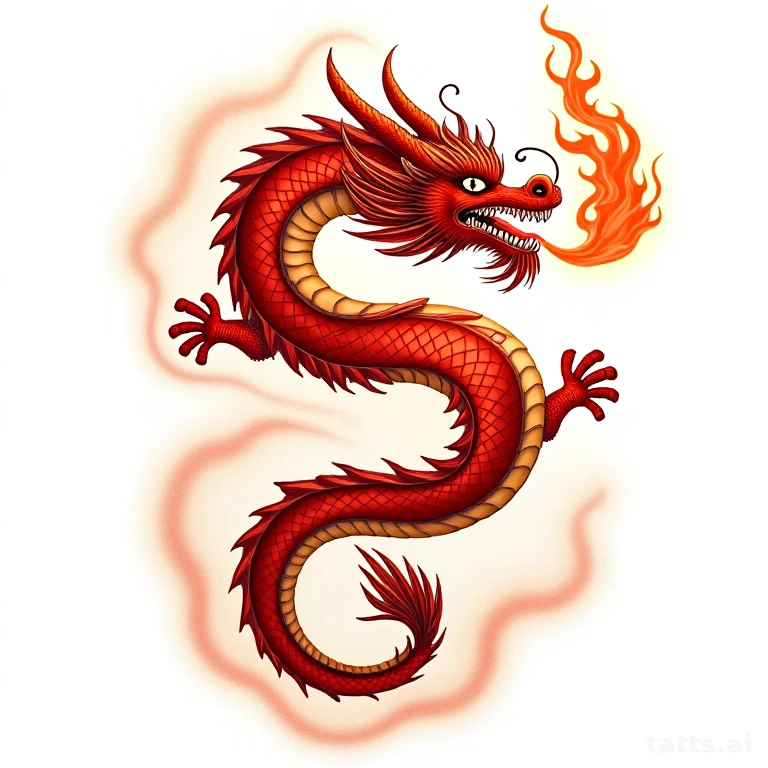
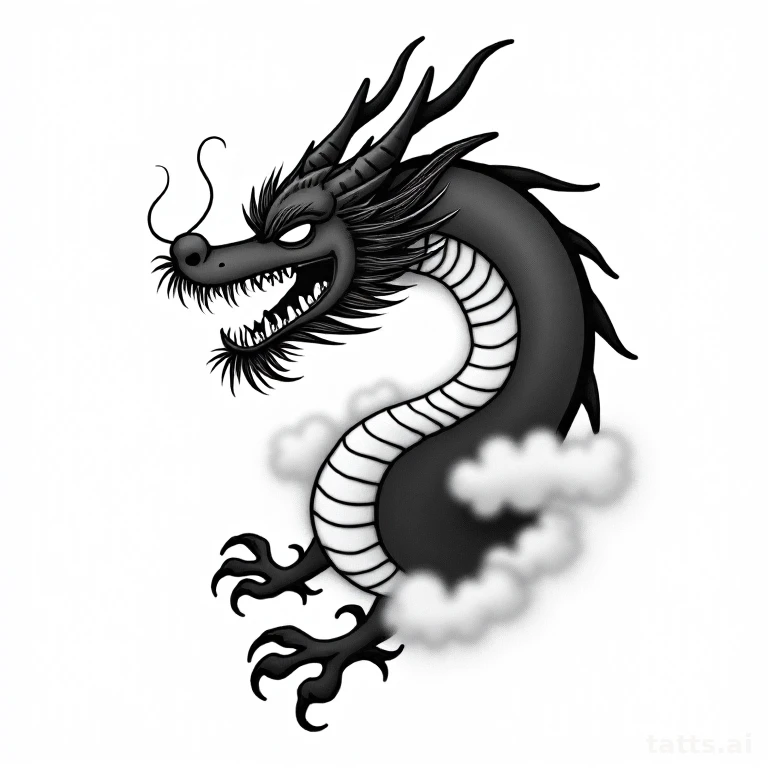
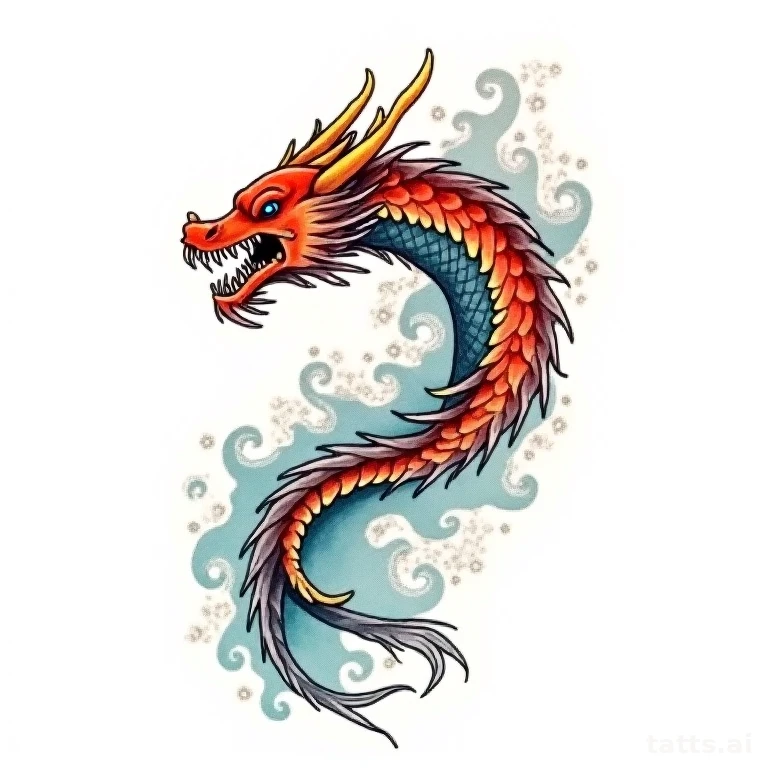
The Japanese dragon differs from Western dragons in both look and meaning: no wings, a long serpentine body, whiskered face, and clawed feet (traditionally three or four claws depending on regional variant), and it represents wisdom, benevolent strength, and control over water and weather rather than destruction. A dragon chasing a flaming pearl — representing wisdom or fortune — is the classic composition and gives the piece a clear narrative direction up the arm. Color matters too: black-and-gray irezumi is common and ages beautifully, but full-color versions with the traditional palette of deep red, indigo, and gold hold real weight in Japanese tattoo history and, if applied with saturated enough ink, can outlast lighter color work by years because irezumi shading tends to pack pigment more densely than Western color realism.
A full sleeve is a multi-year project in most cases — figure 25-40+ hours of total tattoo time across 6-12 sessions depending on density and color, spaced every 3-6 weeks for healing. Pain varies wildly by zone: outer/upper arm sits around 3-5/10, the inner bicep and armpit-adjacent area spikes to 7-8/10, and the elbow ditch is universally the worst at 8-9/10 for almost everyone. Budget accordingly and don't let anyone rush elbow or wrist work in a single sitting. Bold, well-saturated irezumi linework is famous for aging like American traditional — expect the core lines and dragon body to hold sharp for 20-30 years, with only the finest background details (individual wind lines, thin wave crests) needing a light touch-up around year 10-15.
Japanese Dragon Sleeve designs
Generate your own japanese dragon sleeve design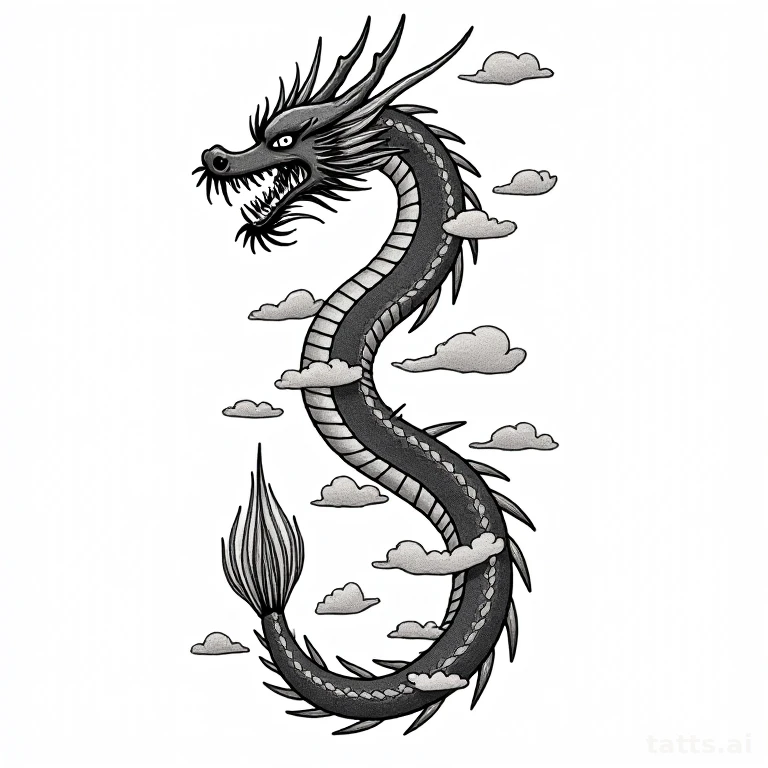
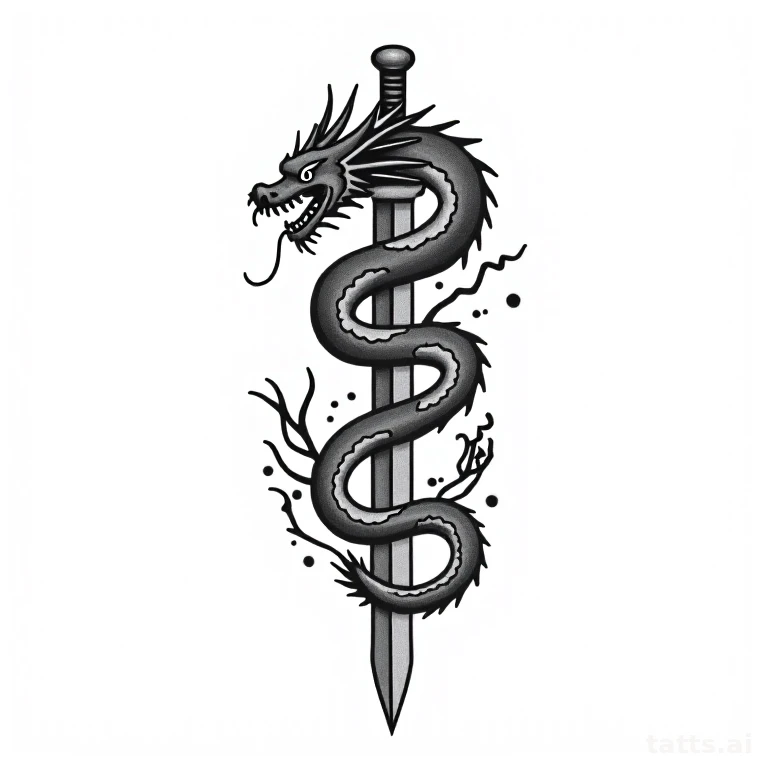
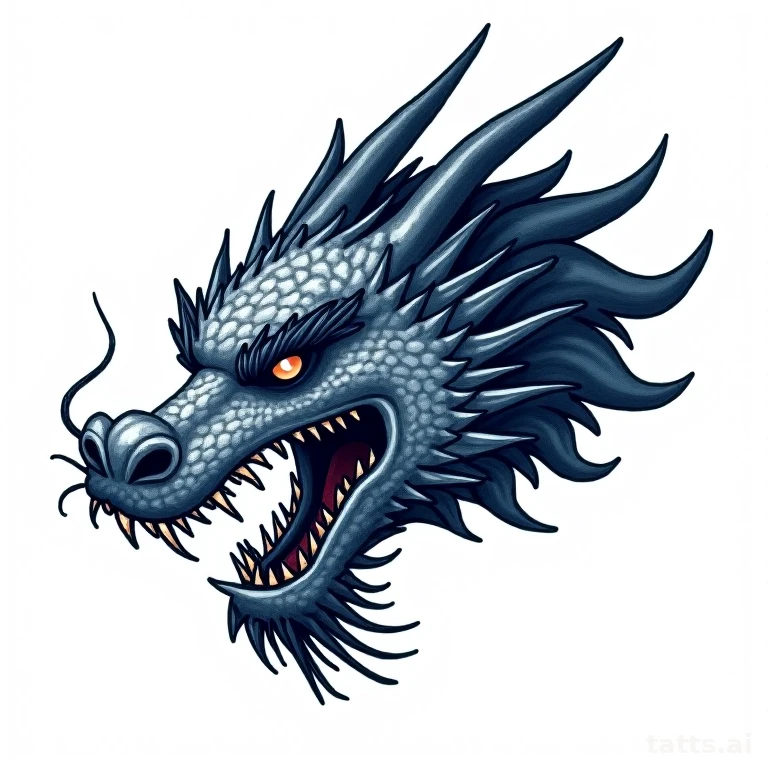
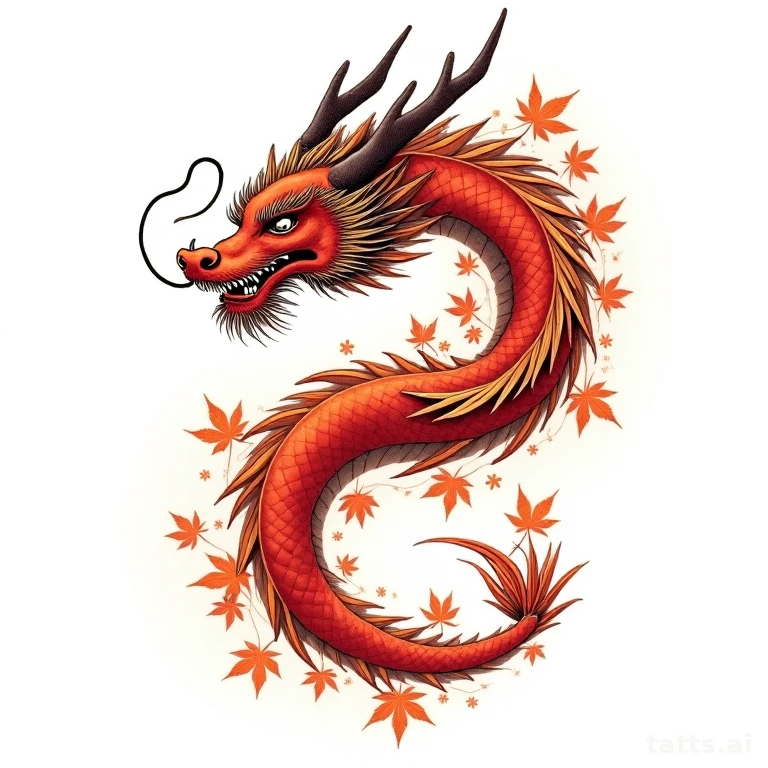
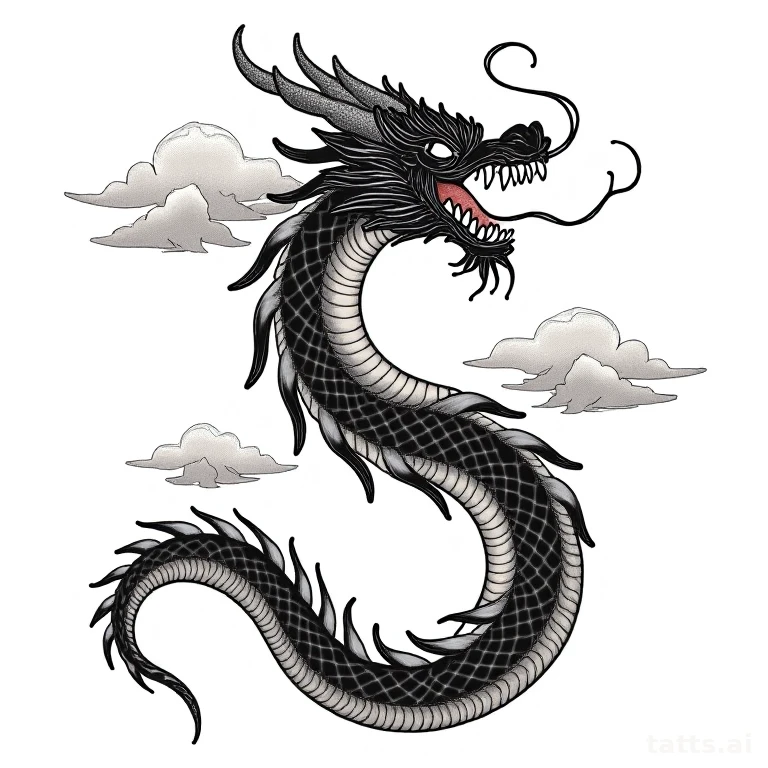
Planning the Composition Before the First Session
Because a sleeve wraps the whole arm, most reputable irezumi artists insist on seeing (or drawing) the full composition before starting, even if you're tattooing it in stages over a year or two. This prevents the classic problem of a beautifully detailed shoulder dragon that awkwardly runs out of room or clashes with whatever gets added at the wrist later. If your artist is willing to start without a full-sleeve plan, that's a red flag for this specific style — irezumi is composition-first by tradition, unlike a collection of standalone Western pieces.
Background Elements Aren't Optional Filler
Wind bars (kaze), clouds (kumo), and waves (namigata) aren't decorative afterthoughts — they're structural to how irezumi reads as a complete image and they're what separates an authentic dragon sleeve from a Western-style dragon with some Asian flourishes added. Expect background work to take up nearly as much session time as the dragon itself. Artists who specialize in Japanese traditional will usually walk you through which background elements pair with a dragon (water and clouds, specifically — not cherry blossoms, which read as a different narrative).
Frequently asked
- How long does a full Japanese dragon sleeve take start to finish?
- Most clients complete a full-color sleeve in 8-18 months with sessions every 3-6 weeks, though some take multiple years if working around budget or schedule. Rushing sessions closer together than 3 weeks risks tattooing over skin that hasn't fully healed, which can distort fine linework.
- Do I need to commit to a full sleeve, or can I start smaller?
- Many artists will tattoo a dragon on the upper arm or forearm as a standalone piece designed to extend into a full sleeve later, as long as you're upfront about that intention at the planning stage. Starting with no plan and hoping to extend it later is how you end up with mismatched composition.
- Is black-and-gray or full color more traditional for irezumi dragons?
- Both are traditional — black-and-gray (sumi) work has centuries of precedent and tends to age with sharper contrast over decades, while full color follows the palette used in ukiyo-e woodblock prints that originally inspired the style. Choose based on how the finished sleeve will look against your skin tone and how much touch-up maintenance you're willing to commit to.
Make it yours
Generate a one-of-one japanese dragon sleeve design free — then try it on your skin.