Tattoo ideas
Japanese Irezumi Tattoo Ideas
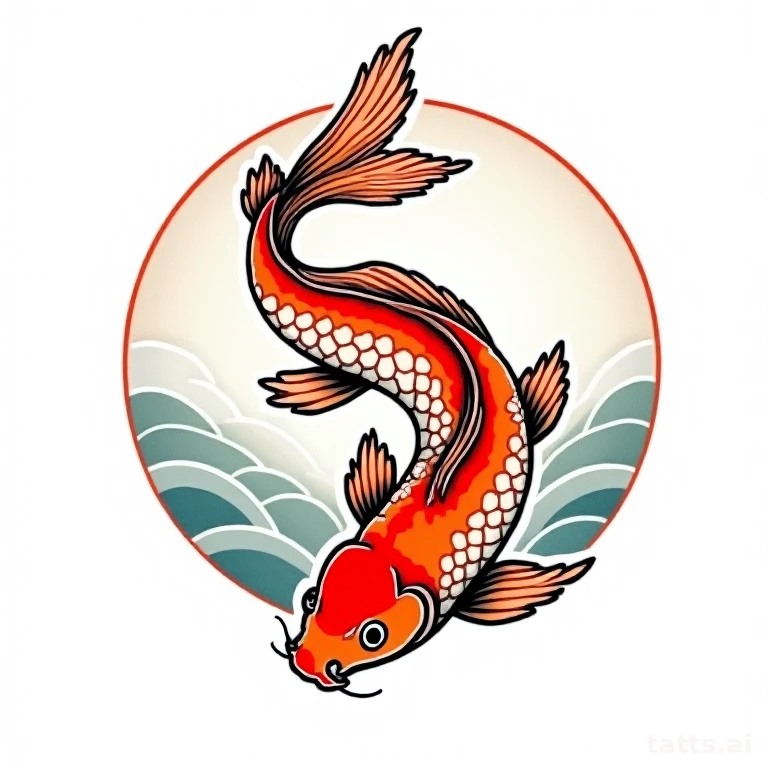
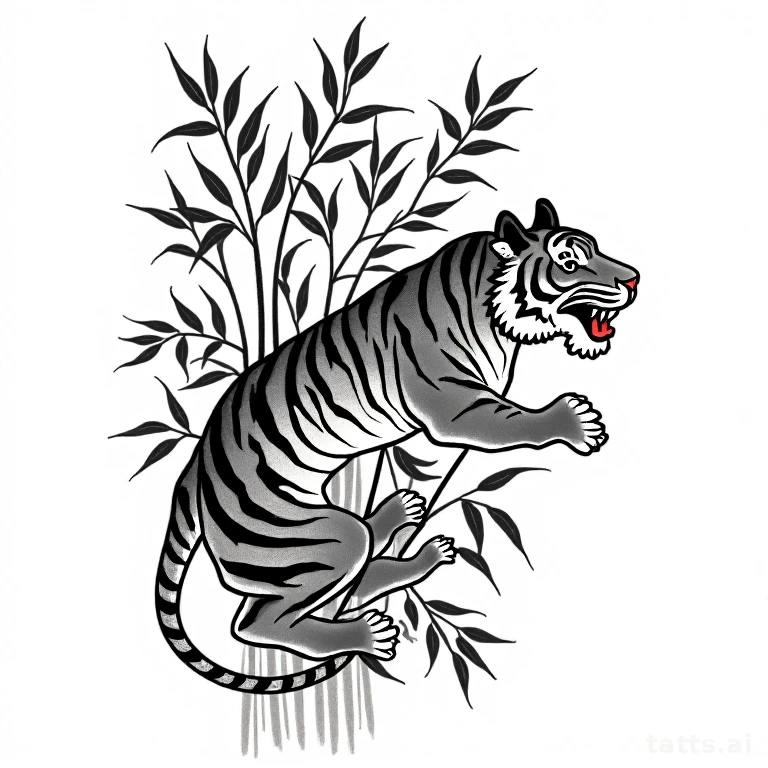
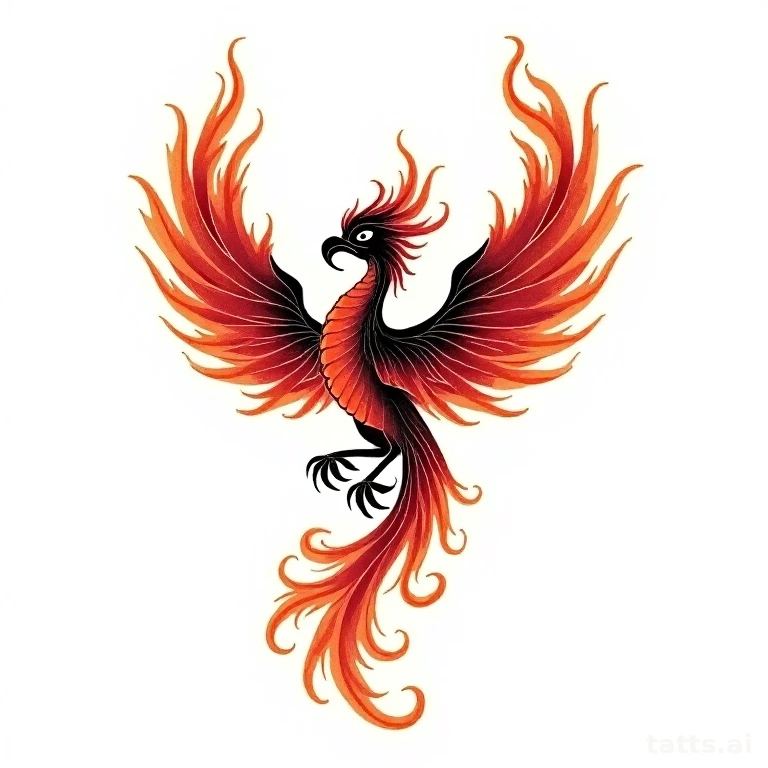
Irezumi is one of the only tattoo traditions with a continuous documented lineage stretching back centuries, formalized during Japan's Edo period (1603-1868) when woodblock print artists — the same craftsmen behind ukiyo-e prints — began applying their compositional language directly to skin. That lineage is why Japanese tattooing has rules other styles don't: dragons, koi, tigers, snakes, and phoenixes each carry specific, well-documented meaning (a dragon represents wisdom and benevolent strength, not menace; a koi swimming upstream represents perseverance against adversity, drawing on the legend of a koi that became a dragon after climbing a waterfall). Wind bars, waves, and clouds aren't decoration, they're compositional connective tissue that trained irezumi artists use to make a piece flow as one continuous image rather than a collection of separate stickers.
This is the style where working with an artist trained in the tradition matters most, because irezumi has real compositional grammar: a dragon traditionally flows in a specific directional current, koi are almost always shown swimming against or with water to reinforce the perseverance symbolism, and full-body pieces (backpiece, sleeve, or the classic Japanese bodysuit) are planned as one unified composition from the start, not built up piece by piece the way Western sleeves often are. Tell your artist you want it composed traditionally, with proper background elements matching the season implied by the central subject, rather than just the central figure floating on bare skin — the background is what separates genuine irezumi from a generically "Japanese-flavored" tattoo.
Irezumi holds up exceptionally well over decades because it typically combines bold blackwork-level outlines with saturated color fills, similar in durability logic to American traditional but with more color complexity. A well-executed dragon or koi sleeve can look strong at 20+ years with only moderate color refresh needed. Placement shows the style's bodysuit-era roots: the classic canvases are the back, full sleeve, and thigh, historically chosen because they could be covered by clothing when needed and because they offer the continuous real estate a flowing composition requires. Pain runs moderate on thigh and outer arm (5-6/10) but a full back piece is a serious multi-session commitment, both for pain (mid-back and spine run 7-8/10) and for the hours involved — a traditional backpiece can take 40-100+ hours across a year or more.
Japanese Irezumi designs
Generate your own japanese irezumi design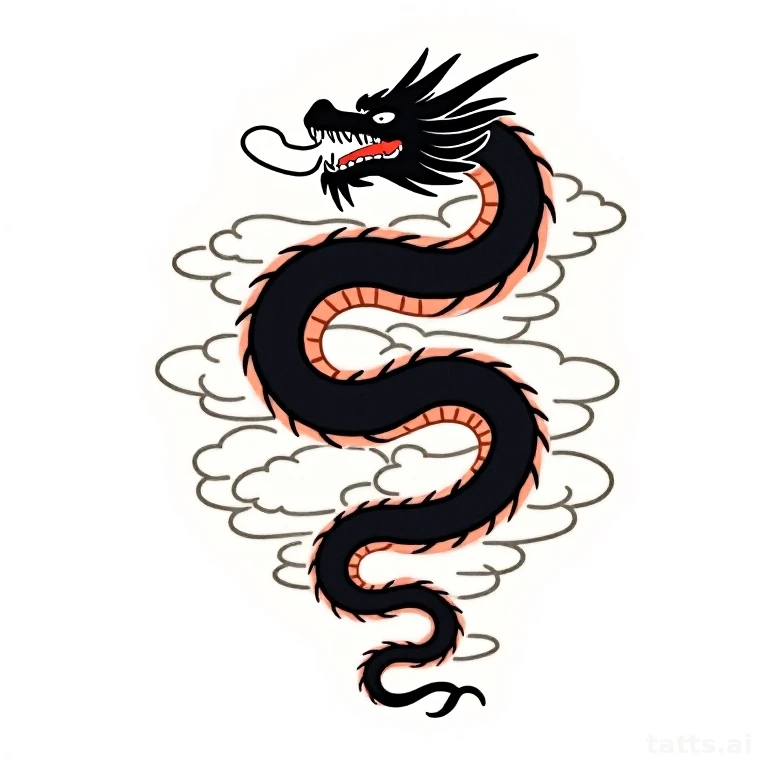
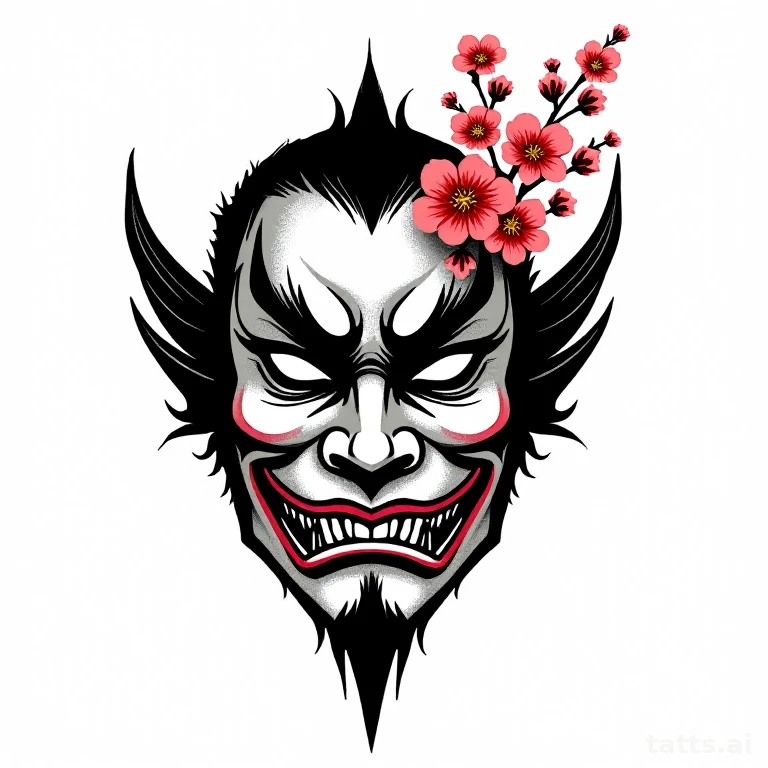
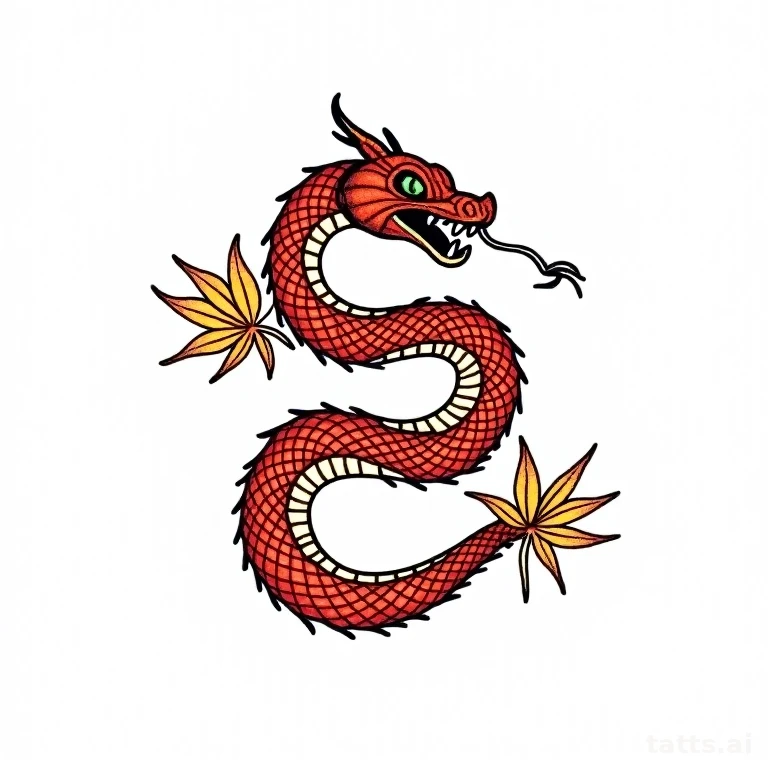
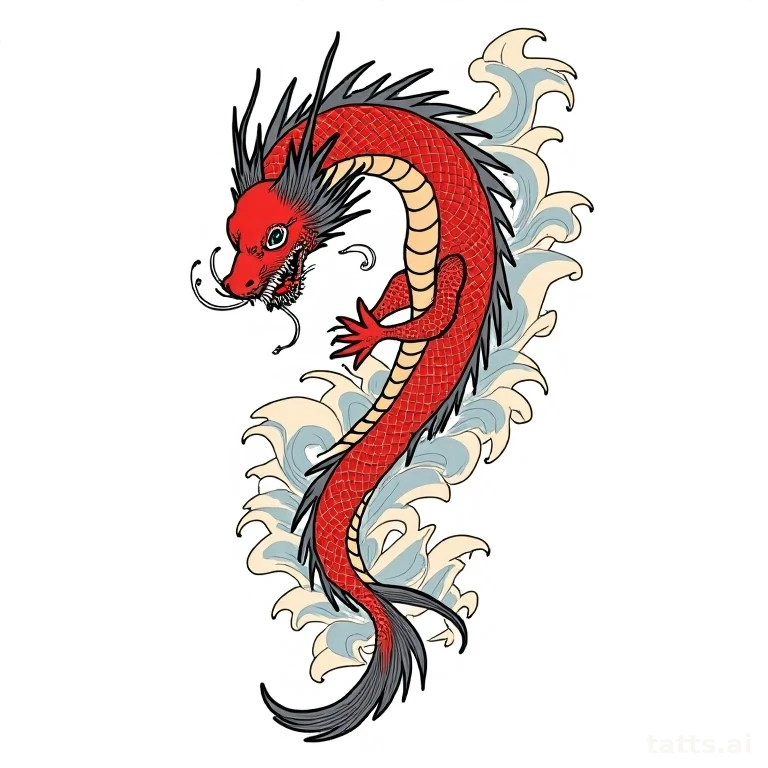
What each major irezumi subject actually symbolizes
Dragons (ryu) represent wisdom, strength, and protection — unlike Western dragons they're benevolent, and different colors carry different meanings (a black dragon signifies experience and stoicism, a gold dragon wealth and fortune). Koi represent perseverance and ambition through the upstream-swimming legend, with a koi transforming into a dragon at the top of a piece sometimes used to show a struggle overcome. Tigers represent courage and protection against evil spirits and bad luck. Snakes represent protection, healing, and wisdom, sometimes tied to medicine. Phoenixes represent rebirth and triumph over hardship. Cherry blossoms (sakura) represent the beauty of life's transience — commonly paired with other subjects as a memento mori element woven into the background rather than standing alone.
Why background elements aren't optional in real irezumi
Wind bars (curved lines suggesting air movement), waves (namigata), and clouds (kumo) do compositional work Western tattoo styles usually don't ask background elements to do — they connect otherwise separate figures into one continuous flow across a sleeve or back, guide the eye in the direction the piece is meant to be read, and often carry their own symbolic weight (waves can represent the flow of life or overcoming obstacles). Skipping them because you only want "the dragon part" produces a tattoo that looks Japanese-inspired but reads as compositionally incomplete to anyone familiar with the tradition.
Frequently asked
- What does a Japanese dragon tattoo actually mean?
- In irezumi tradition, dragons represent wisdom, benevolent strength, and protection rather than menace or destruction. The color matters too — black dragons are linked to experience and stoicism, gold to wealth and fortune, and blue to calm strength. This differs sharply from Western dragon symbolism, which leans toward danger or chaos.
- Why do irezumi pieces need background elements like waves and clouds?
- Wind bars, waves, and clouds are compositional connective tissue in traditional Japanese tattooing — they link separate figures into one continuous flowing image across a sleeve or backpiece and guide how the piece is meant to be read. A central figure placed on bare skin without them looks Japanese-inspired but is missing the tradition's actual structural grammar.
- How long does a full Japanese backpiece take to complete?
- A traditional full backpiece with proper background work commonly takes 40-100+ hours of total tattoo time, usually spread across a year or more in multiple sessions to let the skin heal between sittings. This is a major time and financial commitment, closer to a multi-year project than a single tattoo.
Make it yours
Generate a one-of-one japanese irezumi design free — then try it on your skin.