Tattoo ideas
Shoulder Tattoo Ideas
The shoulder cap is one of the friendliest spots on the body to get tattooed — thick muscle, minimal nerve density, and a curved surface that flatters bold circular or radial designs. Most clients rate it 2-3 out of 10, making it a common first-tattoo choice and a favorite for anyone who wants a larger piece without an equally large pain tax. That comfort drops once you move onto the shoulder blade (scapula) on the back side, where bone sits closer to skin and the rating climbs to 4-5, especially directly over the bone ridge itself.
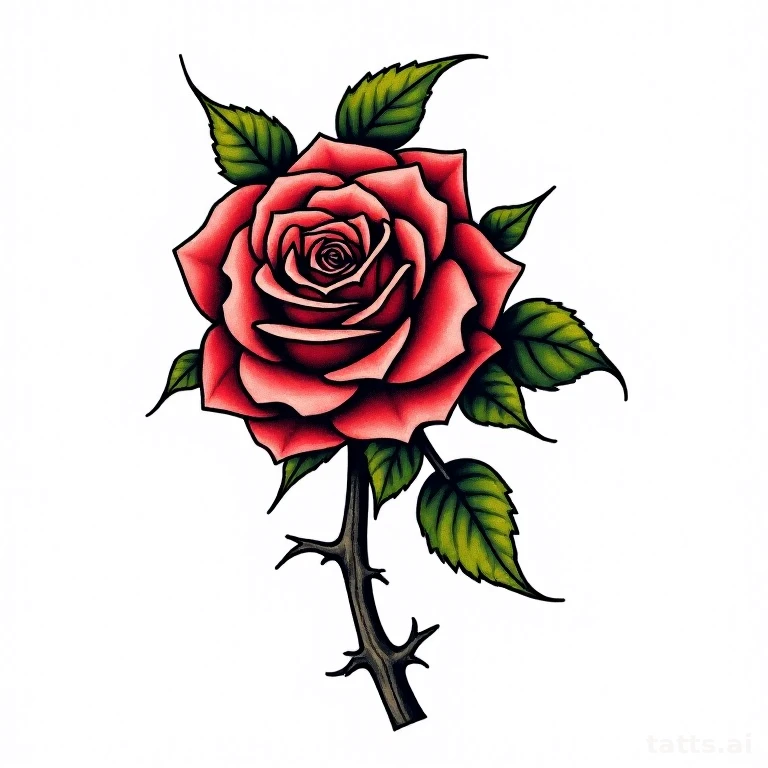
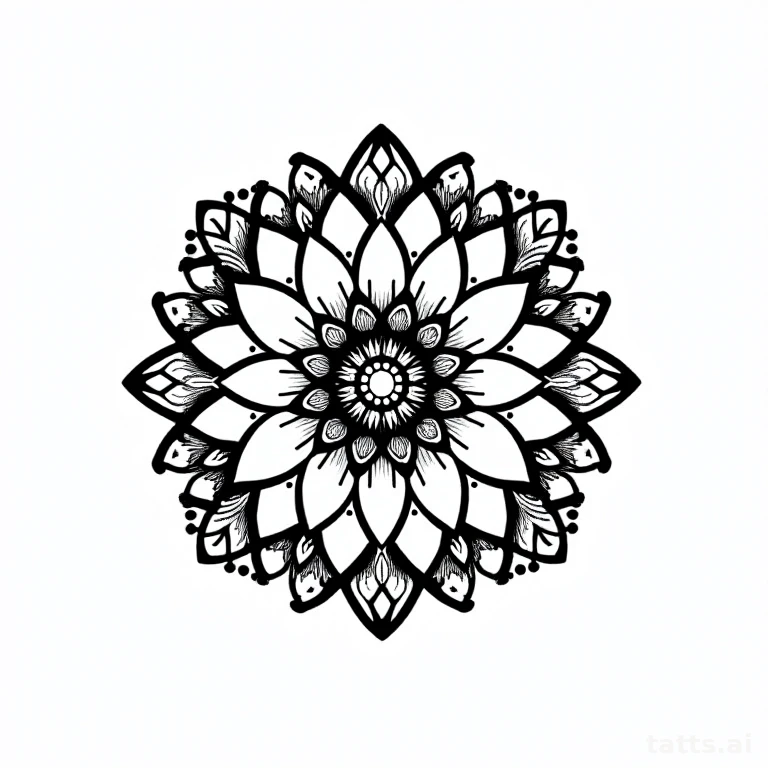
The shoulder is also a genuine sizing sweet spot: the cap alone comfortably holds a 4-6 inch piece with real detail — a lion head, a rose cluster, a full mandala — without looking cramped, and it's the natural starting point for anyone building toward a half or full sleeve later. Because the deltoid is one of the largest flat-ish muscle groups accessible for tattooing, artists can use it for compositions that need genuine negative space and breathing room, which is why traditional and Japanese-style pieces often anchor a sleeve's top section right here.
Coverage is the shoulder's other advantage: a t-shirt sleeve hides it completely, a tank top reveals it fully, so it's arguably the single most controllable visibility placement on the body. Aging holds up well too — because it's a low-friction, low-flex zone (unlike the wrist or inner elbow), bold traditional linework here can look sharp for 25-30+ years, and even finer detail work ages slower than it would on a joint. The one caveat is sun: shoulders get hit hard in tank-top season, so sunscreen discipline directly extends how long color stays saturated.
Shoulder designs
Generate your own shoulder design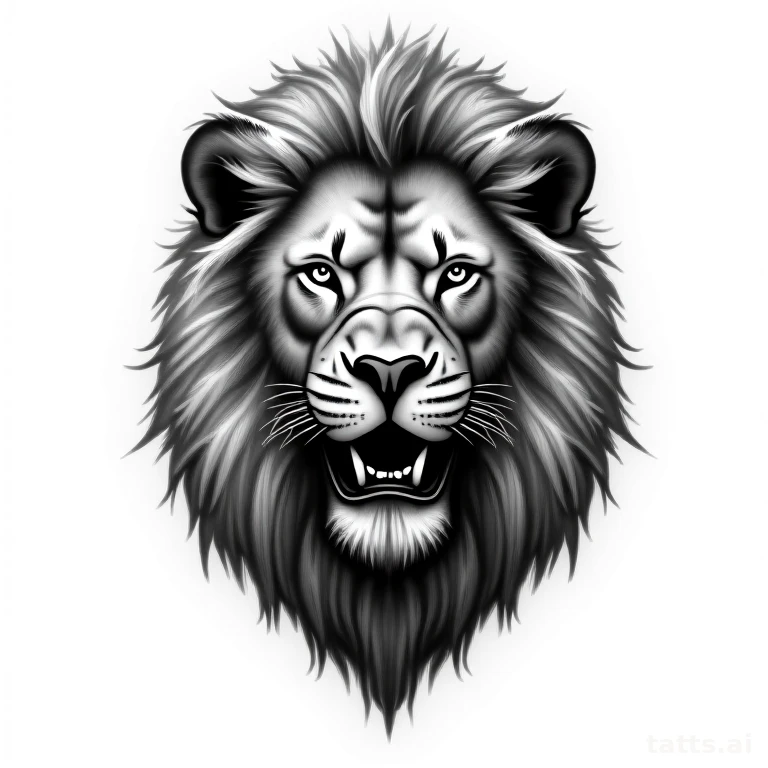
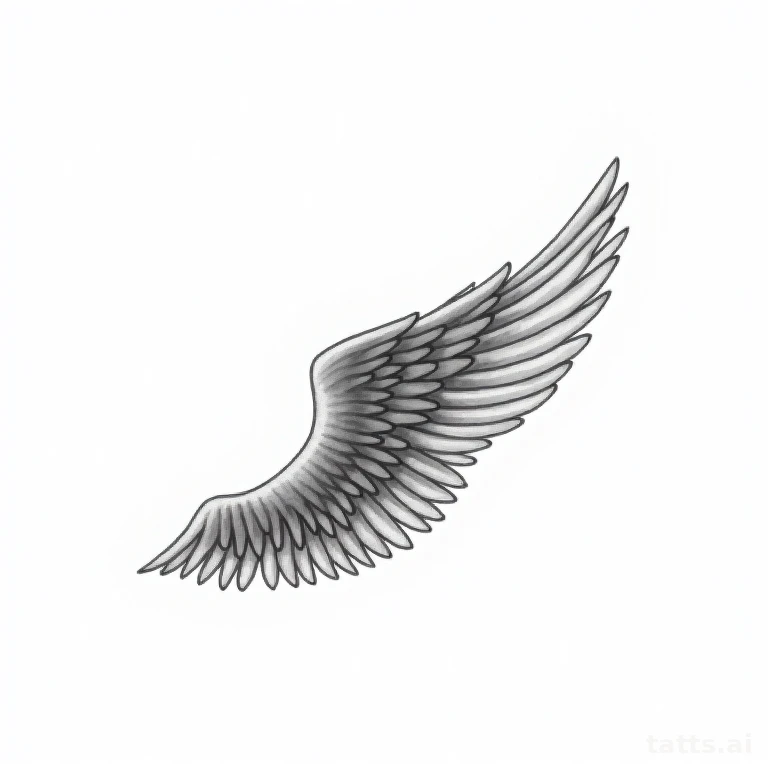
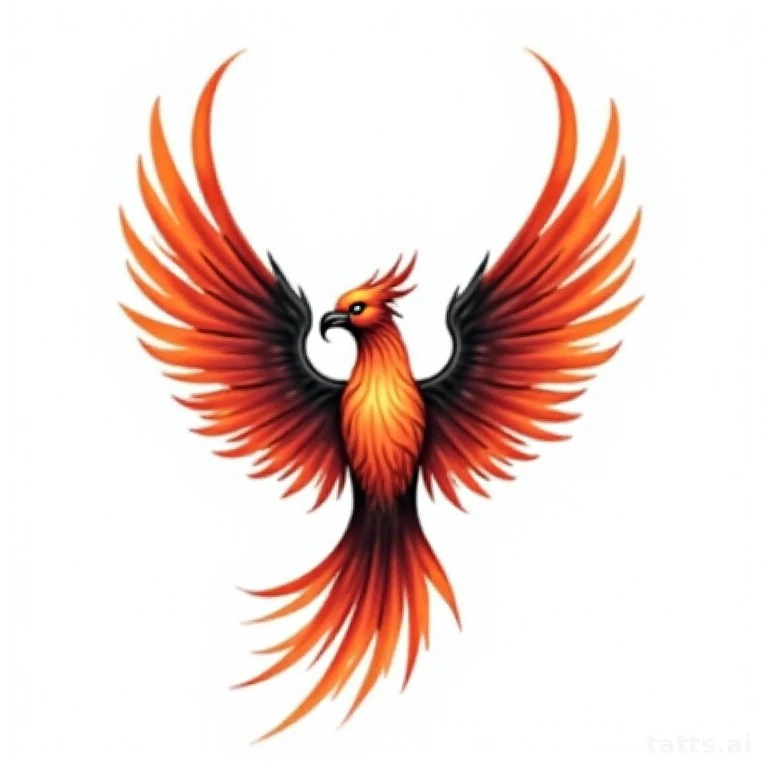
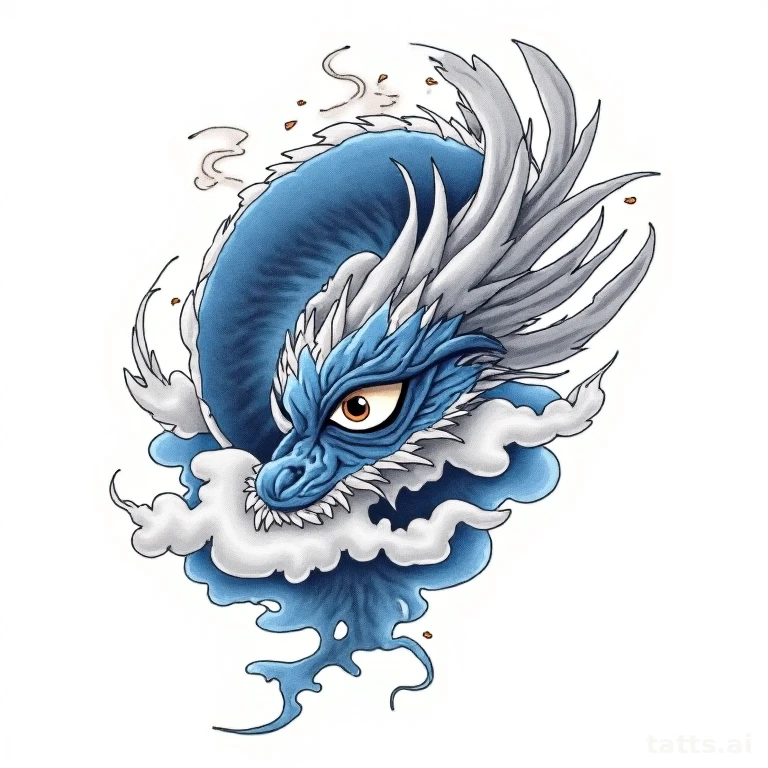
Shoulder Cap vs Shoulder Blade
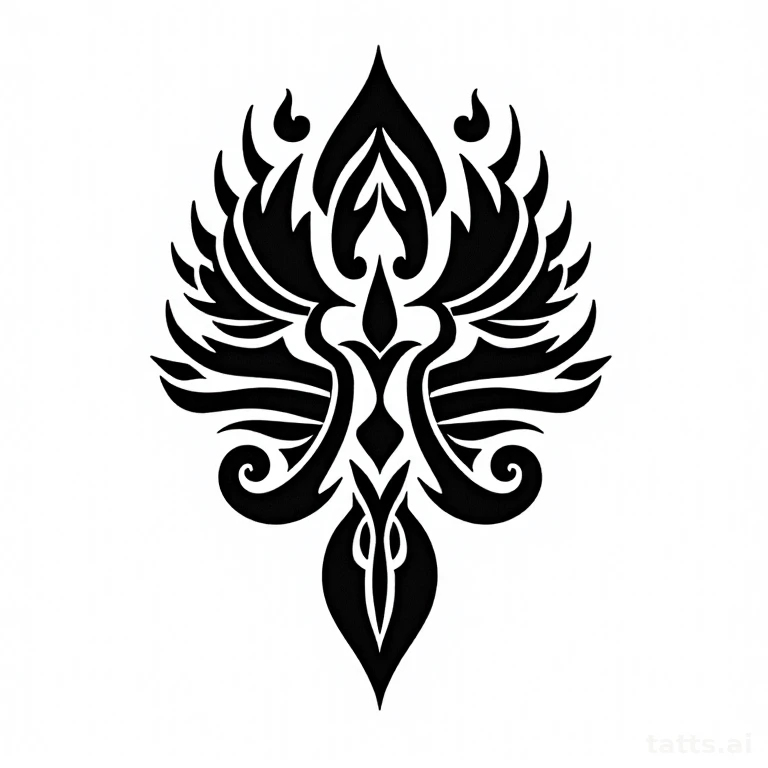
The shoulder cap (the rounded muscle at the top of the arm) is the more comfortable and more popular of the two zones, ideal for bold central pieces like a rose, a lion, or a geometric medallion that can radiate outward with the muscle's natural curve. The shoulder blade, on the back, works well for wing designs, script running along the bone's angle, or pieces meant to be discovered rather than constantly displayed — it's less visible day-to-day since you can't see it in a mirror without effort, which some clients specifically want for a more private, personal tattoo.
Anchoring a Future Sleeve
If there's any chance you'll extend into a sleeve later, the shoulder is the piece to plan first, not last — it sets the top boundary and color palette everything below has to match. Artists typically leave the piece slightly open at the bottom edge (rather than a hard closed border) specifically so bicep and forearm work can flow into it without an awkward seam. Even if you never extend it, a well-composed shoulder piece stands alone perfectly as a self-contained tattoo.
Frequently asked
- Is the shoulder a good spot for a first tattoo?
- Yes — it's one of the most commonly recommended first-tattoo locations. Pain sits around 2-3 out of 10 on the cap itself, it's easy to keep clean and let heal without much friction from clothing, and you can size it up to 4-6 inches without it feeling like too big a jump for a first piece.
- Does the shoulder blade hurt more than the shoulder cap?
- Yes, somewhat. The cap is mostly muscle with padding, rating 2-3 out of 10. The shoulder blade has bone closer to the surface, especially right along its ridge, pushing pain to about 4-5 out of 10 — still moderate, but a noticeable step up from the front of the shoulder.
- How well do shoulder tattoos age over time?
- Very well, relative to joints and high-flex areas. The shoulder doesn't bend or fold the way a wrist or elbow does, so bold linework can hold sharp edges for 25-30 years. The main aging factor is UV exposure, since shoulders get frequent sun in warm weather — consistent sunscreen use is the biggest lever you control.
Make it yours
Generate a one-of-one shoulder design free — then try it on your skin.