Tattoo ideas
Tribal Shoulder Tattoo Ideas
The shoulder is the traditional starting point for Polynesian tribal work for a structural reason, not just an aesthetic one — in authentic Samoan and Māori tattooing traditions, patterns are built outward from the body's core joints, and the shoulder cap naturally accommodates the curved, symmetrical band shapes tribal patterns are built from. A shoulder tribal piece can stand alone or serve as the starting anchor point for a design that later extends down the arm or across the chest, which is why many people who get shoulder tribal work end up expanding it years later — the composition is designed to grow.
It matters to distinguish authentic Polynesian/Māori tribal (which uses specific symbols with real cultural meaning — turtle shapes for longevity and navigation, spearheads for protection, ocean wave patterns for family lineage) from the generic "tribal" black armband style that became a 1990s-2000s trend disconnected from any specific cultural tradition. If you want the real thing with actual symbolic content, look specifically for artists trained in Polynesian tatau or Māori tā moko tradition, ideally with some connection to that lineage — this is a style where cultural context genuinely matters and generic "tribal flash" from a random shop is a different, much shallower product.
Technically, tribal is almost entirely bold solid black — thick curved lines and large filled black shapes with sharp pointed transitions, minimal to no shading gradient. This makes it one of the most durable tattoo styles that exists: solid black ink packed at that density resists fading dramatically better than any color or fine-detail work, commonly holding crisp edges for 30+ years with virtually no touch-up needed. The tradeoff is commitment — solid black coverage of this scale is visually permanent-looking and harder to laser-remove or cover than more detailed styles, so this isn't a tattoo to get impulsively. Shoulder pain for tribal work is moderate, 5-6/10, since the solid fill sections require sustained needle time over the same area, more akin to blackwork saturation than quick linework. A shoulder cap design typically needs 3-4 hours in one sitting for a mid-size piece; larger compositions extending onto the chest or upper arm need 2-3 sessions.
Tribal Shoulder designs
Generate your own tribal shoulder design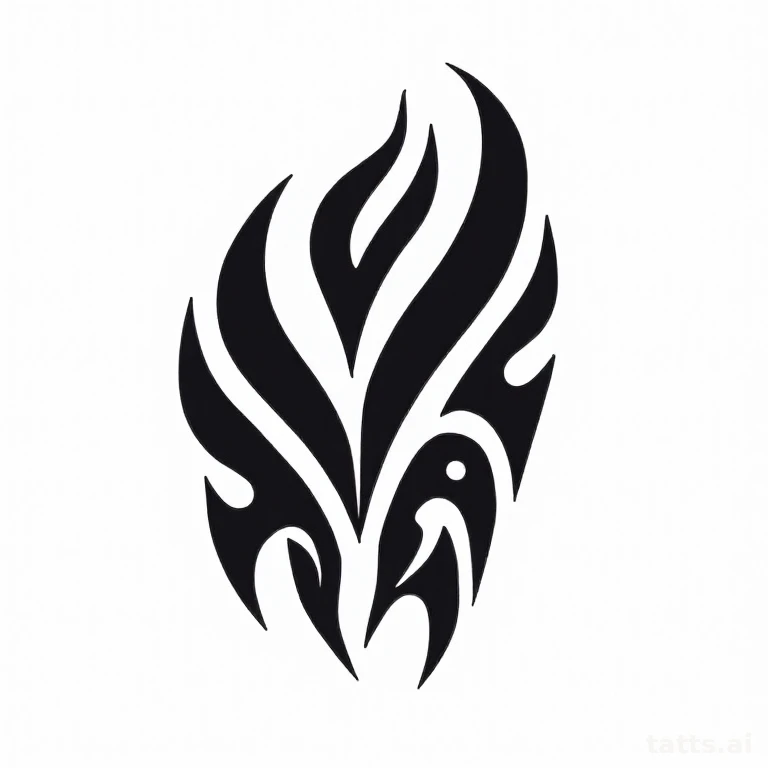
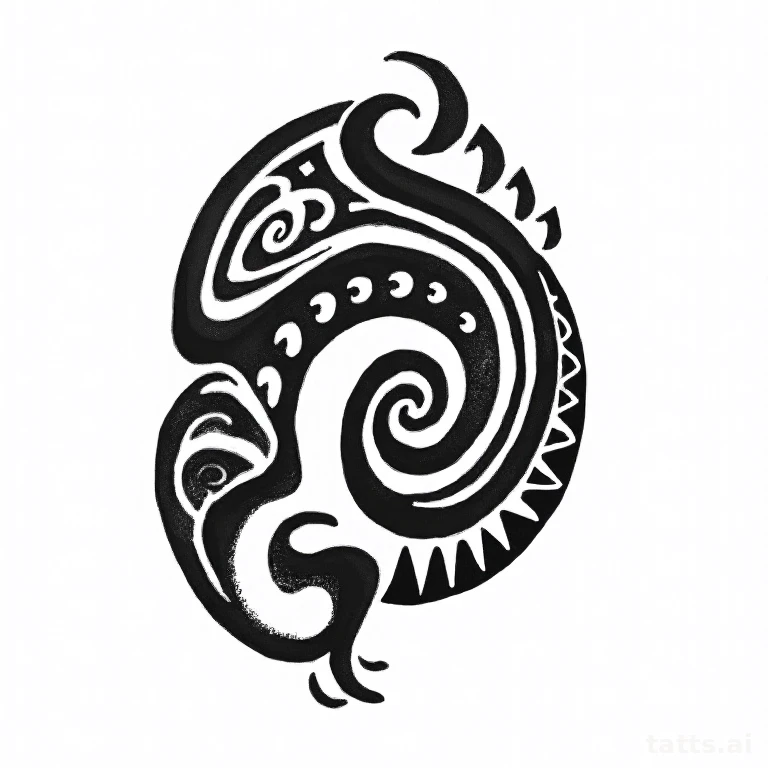
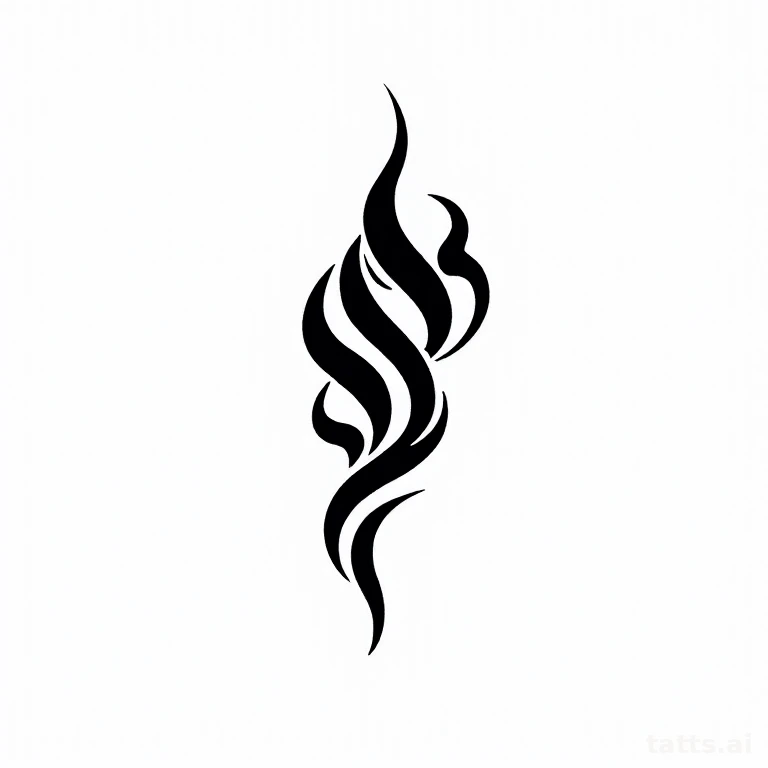
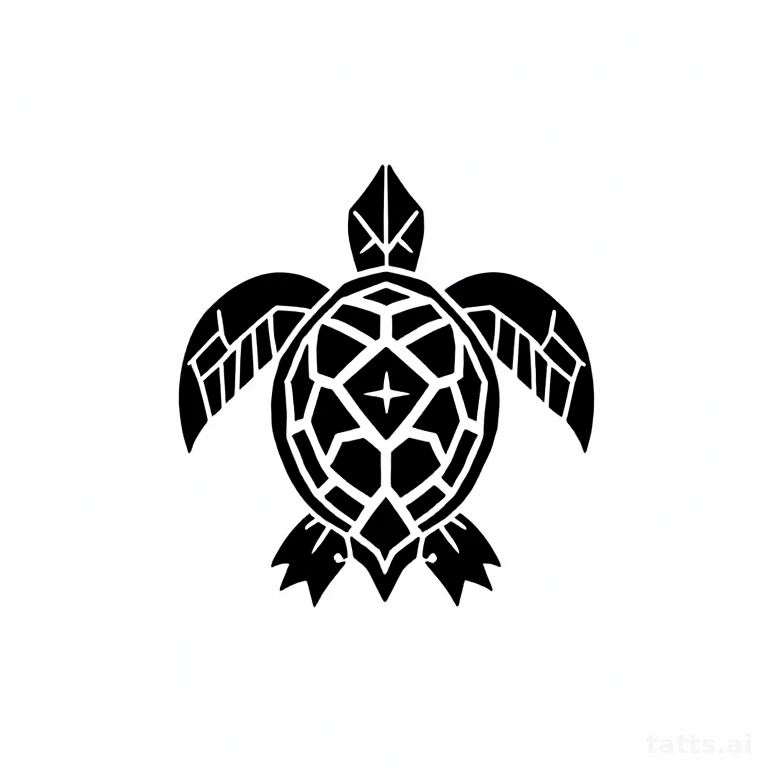
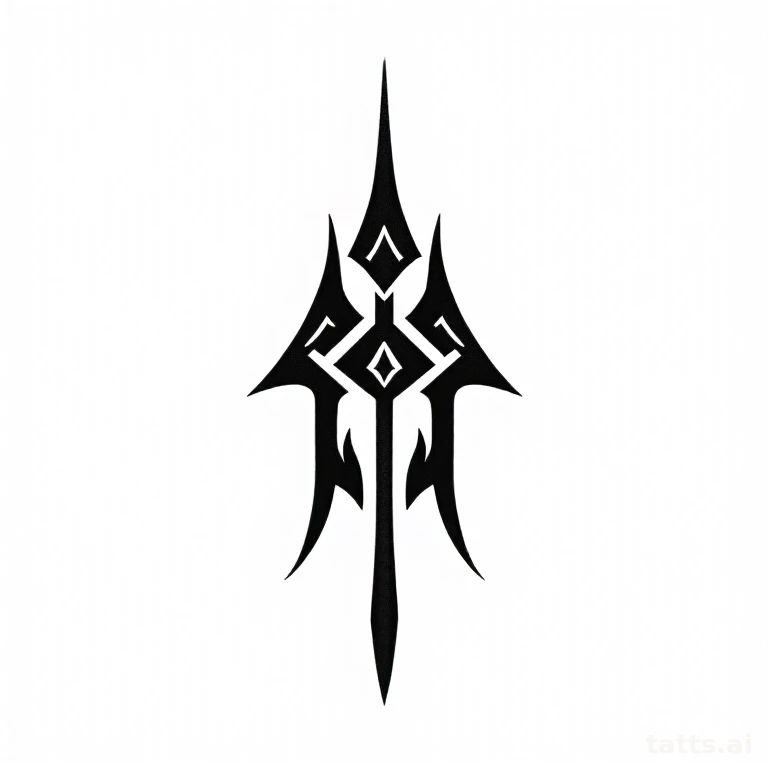
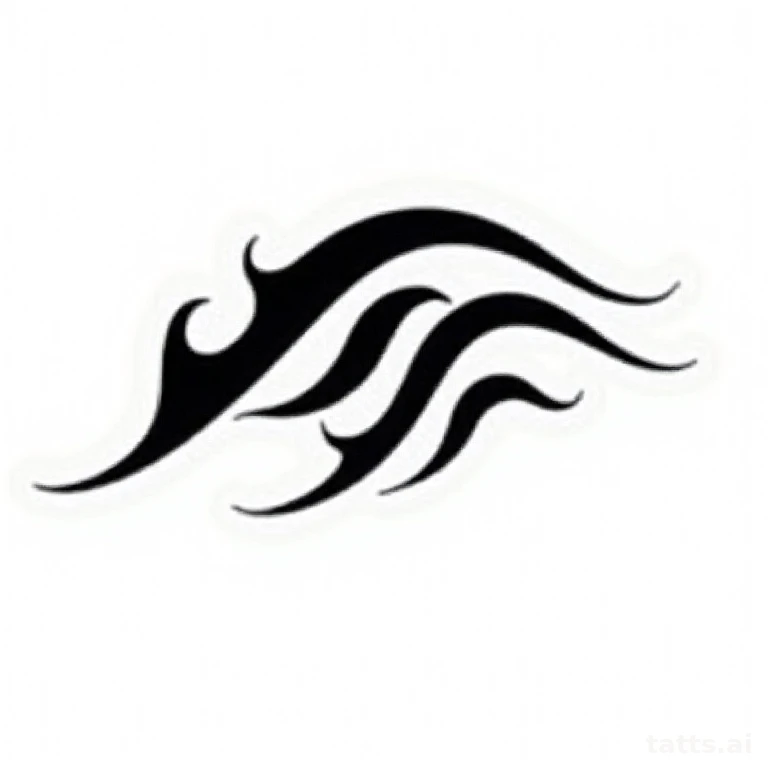
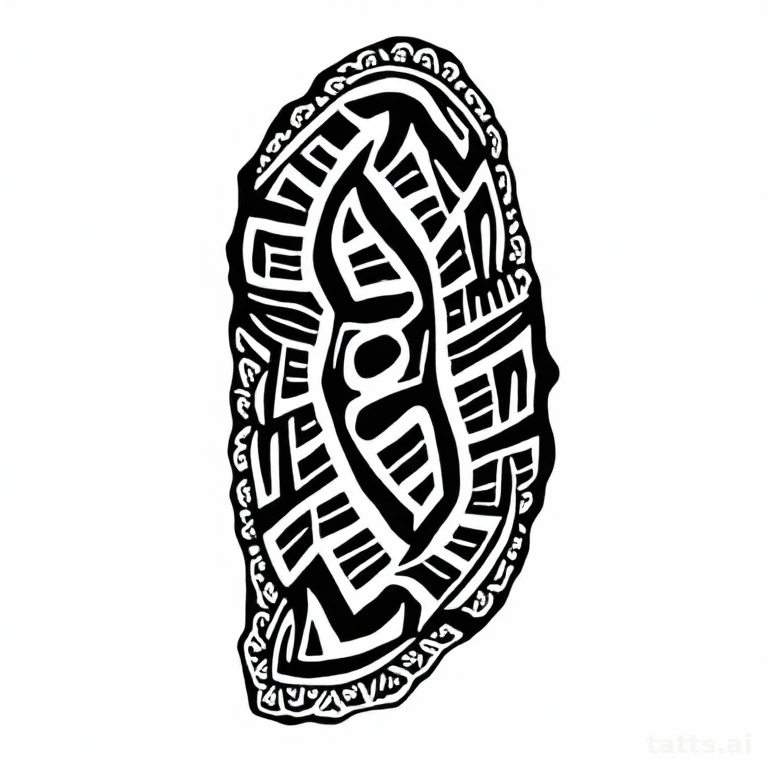
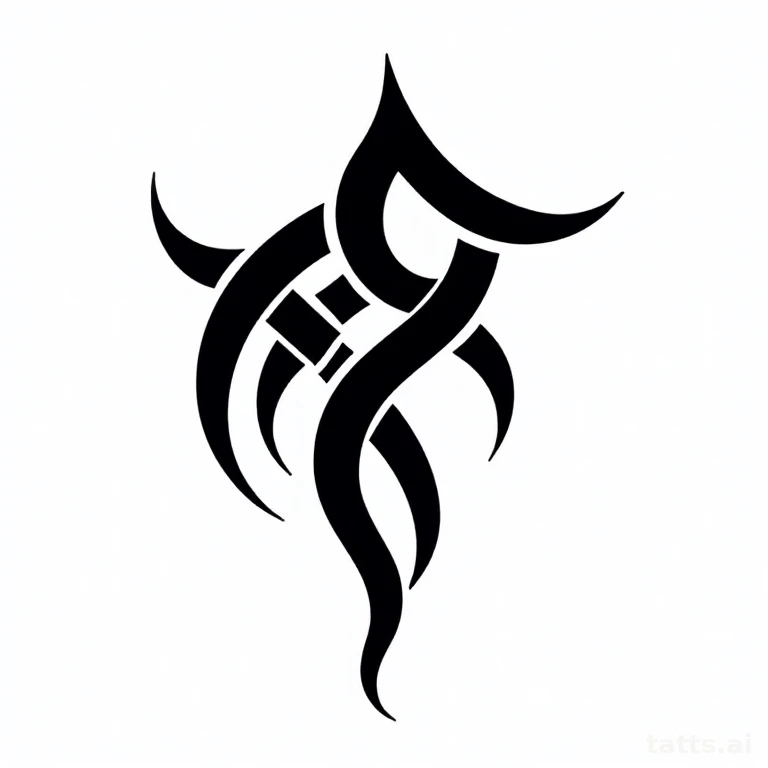
Cultural Context Matters More Here Than in Most Styles
Traditional Polynesian and Māori tattooing carries genealogical, spiritual, and status significance that goes well beyond decoration — specific patterns historically indicated a person's lineage, rank, and achievements, and were earned rather than simply chosen from a menu. If this history matters to you, seek out an artist who can speak knowledgeably about pattern meaning and, ideally, has trained within that tradition rather than copying reference images. A generic tribal design with no specific meaning is a legitimate aesthetic choice too, but it's a different thing than authentic tatau, and it's worth knowing which one you're getting.
Why Solid Black Coverage Ages So Well
The reason tribal tattoos from the 1990s often still look sharp decades later comes down to ink density — solid black fill packs pigment much more heavily than shaded gradient work, so even as the outermost cells holding ink turn over across decades, there's enough pigment depth remaining that the black stays genuinely black rather than fading to gray. This is the same principle that makes blackwork one of the most durable tattoo styles overall, and tribal is essentially a curved, patterned application of that same solid-black philosophy.
Frequently asked
- Is tribal shoulder tattooing culturally appropriative if I'm not Polynesian?
- This is a genuinely debated topic within tattoo culture — many artists and cultural practitioners feel authentic tatau/tā moko patterns with specific genealogical meaning should be reserved for people connected to that heritage, while a more generic tribal-inspired design without claiming specific cultural symbolism is broadly considered acceptable. If in doubt, discuss it directly with a Polynesian or Māori tattoo artist rather than guessing.
- How long does solid black tribal work take to heal?
- Heavily saturated black areas typically take a bit longer to heal fully than lighter linework, around 3-4 weeks for the surface to close and 2-3 months for full healing beneath the skin, since more ink was deposited per square inch. Expect more noticeable scabbing and peeling during the first two weeks compared to a lighter-weight tattoo.
- Can a shoulder tribal piece be extended later into a sleeve?
- Yes, this is common and often planned for from the start — the curved band shapes tribal patterns use are designed to connect naturally as they extend down the arm or across the chest. Tell your artist upfront if future extension is something you're considering, since it affects how they anchor the initial shoulder composition.
Make it yours
Generate a one-of-one tribal shoulder design free — then try it on your skin.