Tattoo ideas
Tribal Tattoo Ideas
Tribal tattooing in the modern shop context almost always traces back to Polynesian tatau traditions — Samoan, Māori (ta moko), Marquesan, and Hawaiian pattern systems that predate Western contact by centuries and originally carried specific genealogical, social-rank, and achievement-based meaning. A traditional Samoan pe'a (the full lower-body tattoo) or a Māori facial ta moko was earned, tied to lineage and status, and applied by specific practitioners using traditional tools (tapping combs, not machines) in a process with real cultural weight. What most Western shops offer as "tribal" today is typically a modern graphic reinterpretation using bold solid black shapes and repeating curved motifs inspired by these traditions rather than a direct, culturally-sanctioned reproduction — worth a direct conversation with your artist about whether a specific pattern element has protected cultural significance versus being a generic tribal-style motif.
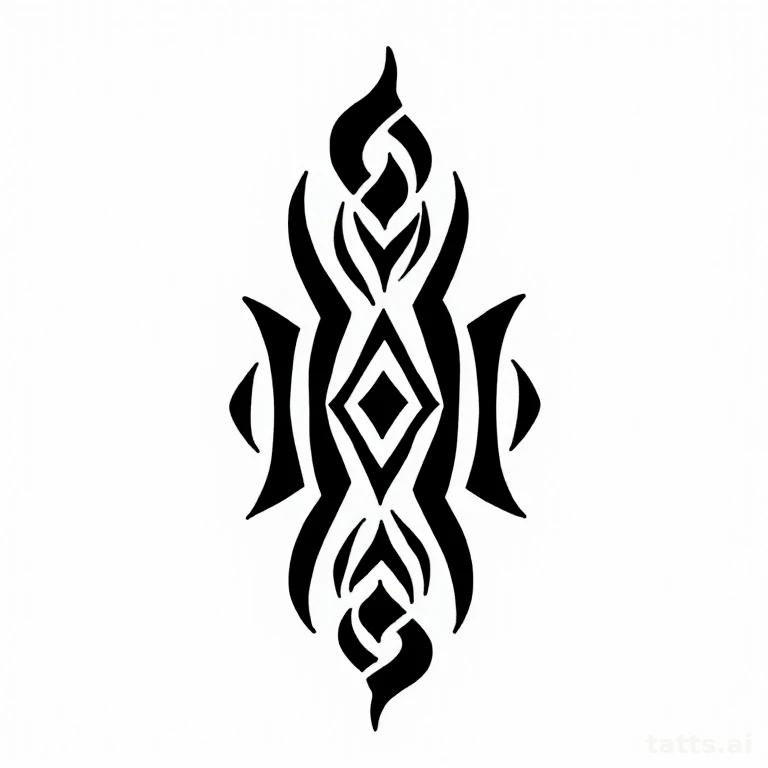
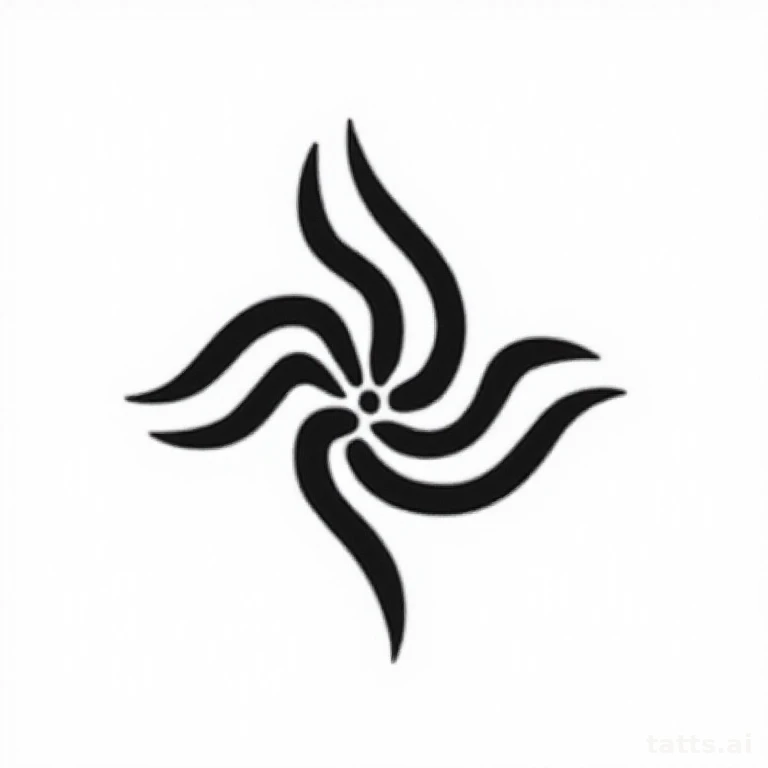
Setting the cultural context aside, tribal as a modern tattoo style is defined by its technique: large, confident solid-black shapes, sharp pointed curves, and symmetrical repeating patterns that wrap around the body's natural contours (shoulder cap, upper arm, calf) rather than sitting flat like a geometric piece would. This wrapping quality is deliberate — much of tribal's visual power comes from how the pattern follows and accentuates muscle and bone structure, which is why tribal remained a dominant style for shoulder and upper-arm pieces through the 1990s and 2000s and is seeing a real resurgence now, often blended with blackwork or geometric elements.
Durability-wise, tribal is among the best-aging styles in tattooing for the same reason blackwork is: solid, heavily saturated black ink holds density far longer than any color or fine detail work, so a well-placed tribal piece from 20 years ago often still looks strong today with only soft edge blurring. Placement should lean into the style's contour-hugging strength — shoulder, upper arm (especially wrapping toward the deltoid), and calf are the classic zones, all areas where the body's natural curve gives the pattern something to wrap around. Pain runs moderate on these fleshier zones (5-6/10) but climbs if you extend onto the collarbone or sternum to connect a chest and shoulder piece (7-8/10, thin skin over bone). Because tribal commits to solid black with no color, decide on full scope up front — there's no subtle way to extend a tribal piece later without it looking like an obvious add-on.
Tribal designs
Generate your own tribal design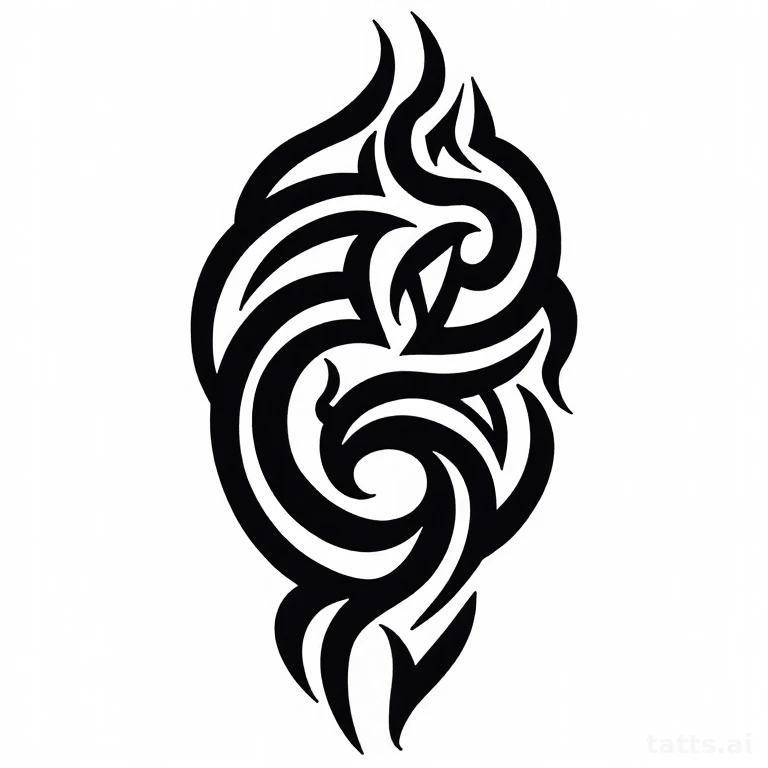
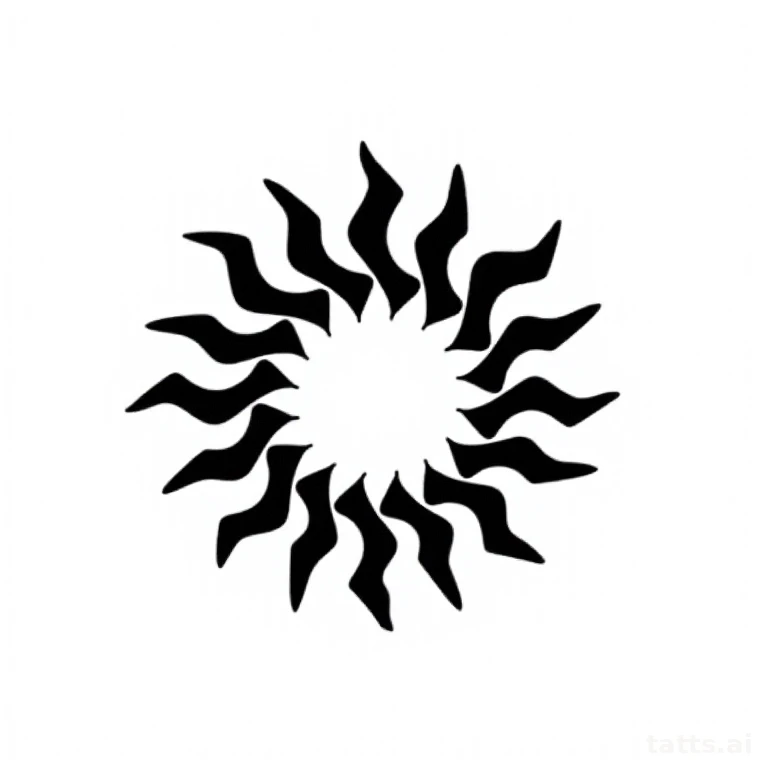
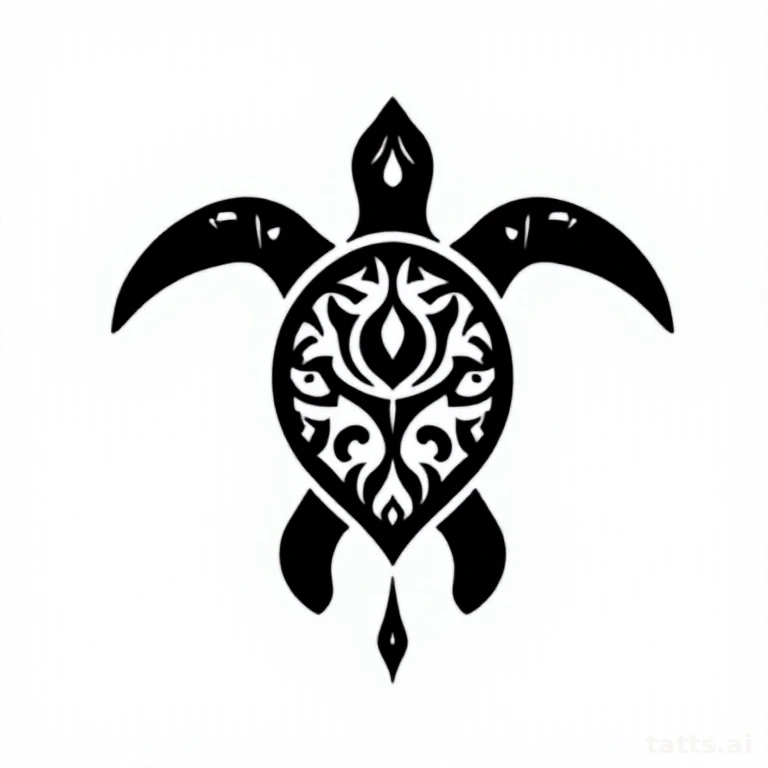
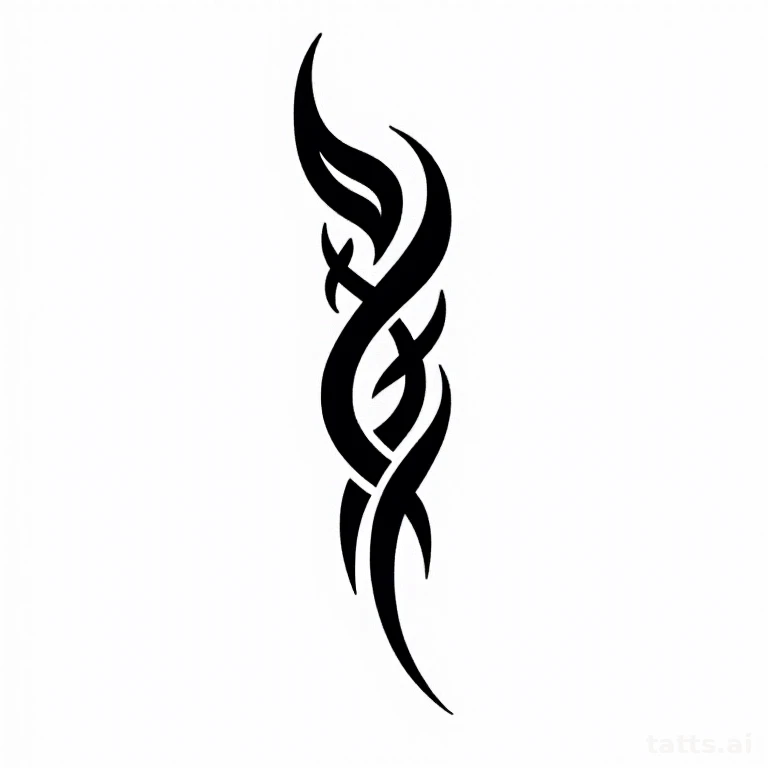
The cultural context you should discuss with your artist
Polynesian tatau traditions are living cultures, not historical relics, and some communities consider specific motifs (particularly facial ta moko and certain genealogical pattern elements) restricted to people of that heritage or earned through specific cultural processes. This doesn't mean tribal-style tattooing is off-limits broadly — the modern graphic tribal style has evolved into its own widely-practiced tradition — but if you have Polynesian, Māori, or Pacific Islander heritage and want an authentic cultural piece, seek out an artist trained specifically in that tradition rather than a general tattoo shop's tribal flash sheet. If you don't have that heritage, ask your artist to steer you toward the broader modern tribal-inspired style rather than specific protected motifs.
Why tribal wraps around the body instead of sitting flat
Traditional Polynesian tattoo design was developed specifically for the body's three-dimensional form, not for flat reference sheets — patterns were composed to follow muscle lines, joints, and the body's natural symmetry, which is part of why a tribal piece on the shoulder cap looks intentional in a way a randomly-placed geometric piece might not. A skilled tribal artist will often draw the design directly onto your skin freehand rather than applying a flat stencil, adjusting the curves in real time to match your specific arm or shoulder shape.
Frequently asked
- Is it okay to get a tribal tattoo if I'm not Polynesian?
- The broader modern tribal style, using bold black shapes and repeating curved motifs inspired by Polynesian tradition, is widely practiced and generally considered acceptable outside the culture. However, specific protected elements like Māori facial ta moko or genealogical pattern systems tied to specific lineages are treated differently by many practitioners — ask your artist directly which category your design falls into.
- Why does tribal tattooing hold up so well over decades?
- Tribal uses solid, heavily saturated black ink with minimal fine detail, similar to blackwork. That ink density resists the skin's gradual pigment breakdown far better than color or fine linework, so tribal pieces from the 1990s and 2000s often still look strong today with only minor edge softening.
- What placements work best for tribal tattoos?
- Shoulder, upper arm, and calf are the classic choices because tribal's power comes from how the pattern wraps around and accentuates the body's natural muscle and bone contours. Flat areas like the mid-back can work too, but the style was originally designed for three-dimensional body forms, so curved placements tend to look most intentional.
Make it yours
Generate a one-of-one tribal design free — then try it on your skin.