Tattoo ideas
Blackwork Tattoo Ideas
Blackwork covers a wider range than people expect — it's not one look but a technique defined by using solid black ink as the primary (often only) tool, ranging from graphic silhouette work and heavy dotwork mandalas to large-scale patchwork "blast-over" pieces that cover old tattoos entirely. Its roots split two ways: one line traces to Polynesian and Southeast Asian tribal traditions where solid black held spiritual and social meaning, the other traces to 1990s-2000s European graphic artists (a lot of it out of the UK and Netherlands scenes) who treated tattoos like woodcut prints, leaning into negative space and hard-edged contrast rather than color or shading. Modern blackwork studios pull from both, and a good artist will tell you plainly which tradition their design draws from.
From a longevity standpoint, blackwork is close to the best investment in tattooing. Solid black ink packed at full saturation holds up better under the skin's decades-long ink migration process than any color or fine line work — there's simply more pigment density per square millimeter, so a blackwork sleeve can look nearly as sharp at 25 years as it did fresh, with only minor edge softening. The tradeoff is visual: once it's black, it's black. You're not adding color later without a full cover-up, and any redesign means starting over, not touching up. This makes blackwork a genuine commitment style — decide on scope before the first session, because most blackwork artists design pieces as one cohesive composition, not a collection of add-ons.
Pain is where blackwork earns its reputation. Because the needle often re-passes the same skin repeatedly to build full ink saturation, sessions run longer and the cumulative sting is real — expect 6-7/10 on meaty areas like the upper arm or thigh, and 8-9/10 on ribs, sternum, or hands where large-scale blast-over work is increasingly popular. Healing also takes longer than lighter styles since more of the dermis is being worked; scabbing over solid black fields is heavier and itchier than over a fine-line piece, and you'll want at least 3-4 weeks before judging the final look.
Blackwork designs
Generate your own blackwork design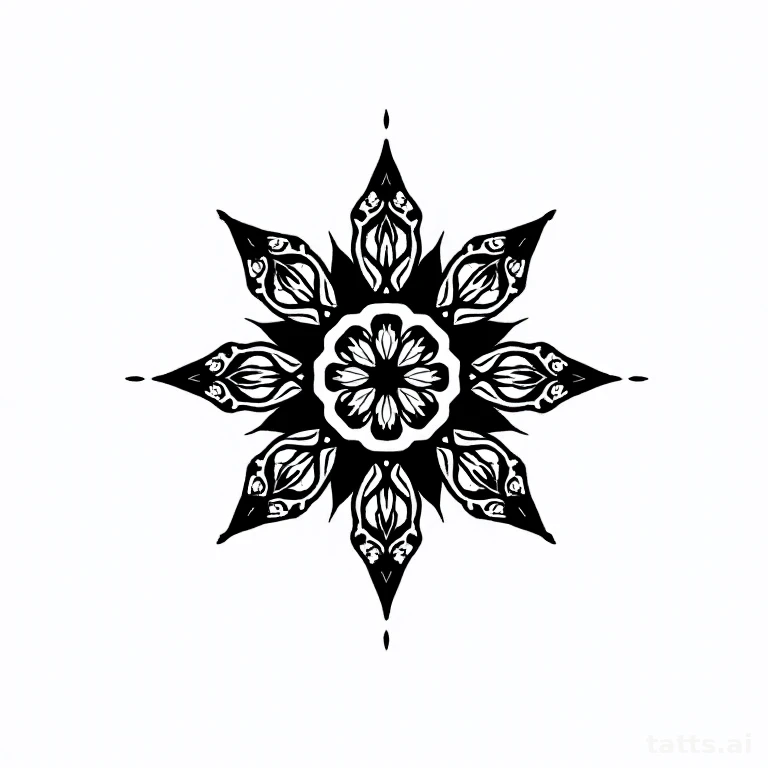
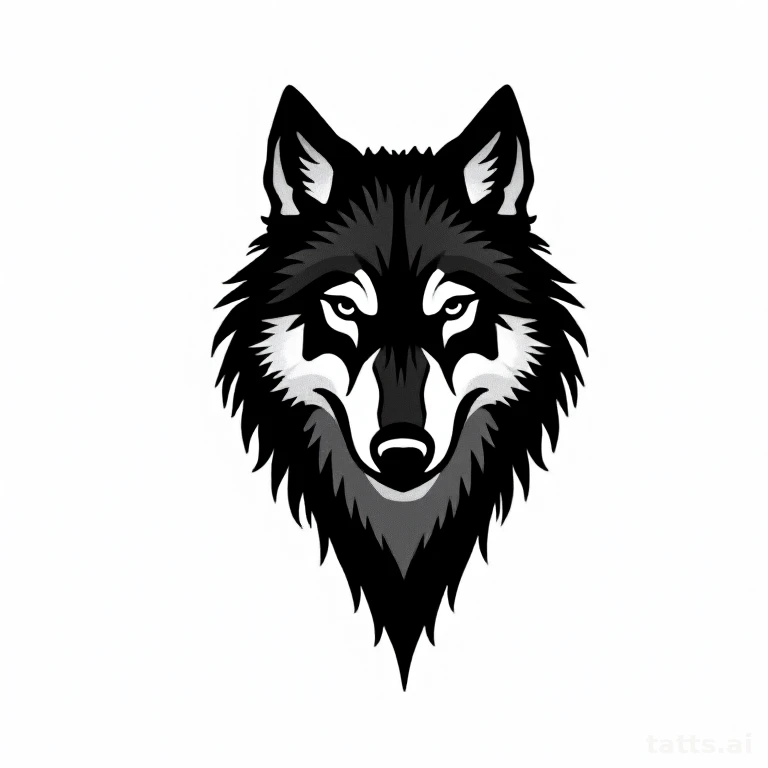
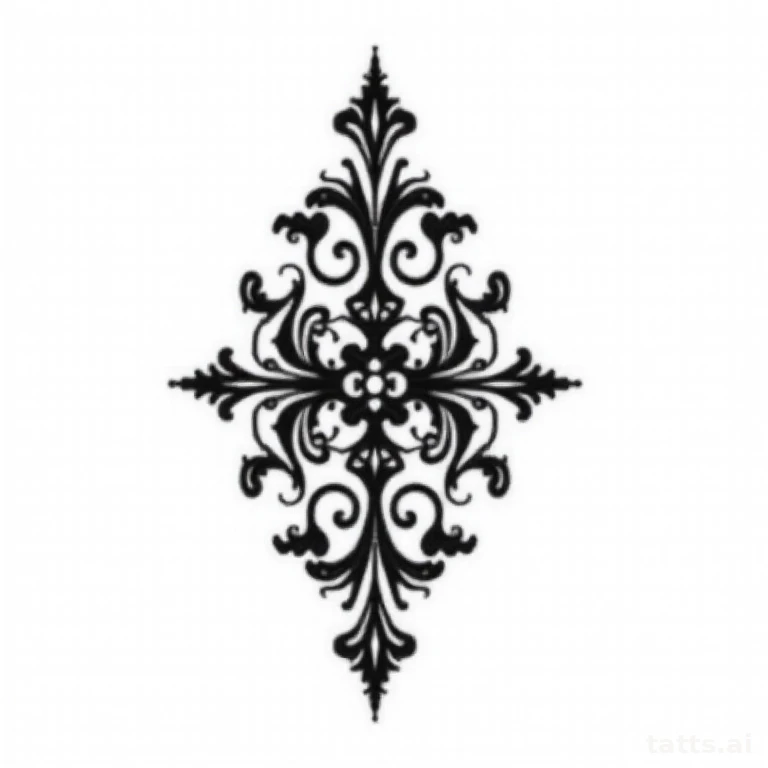
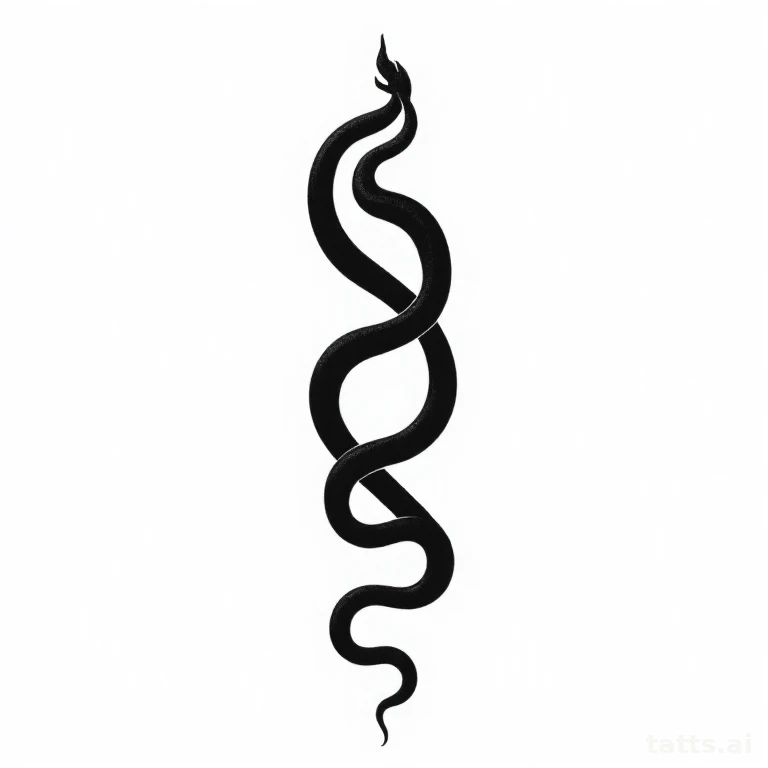
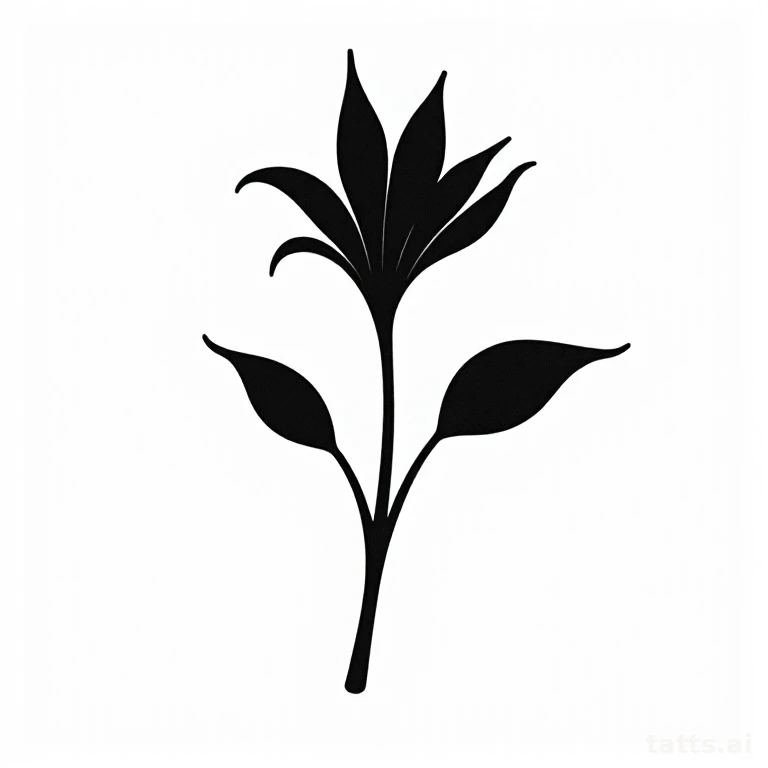
Solid blackwork vs. dotwork vs. blast-over — know which you're asking for
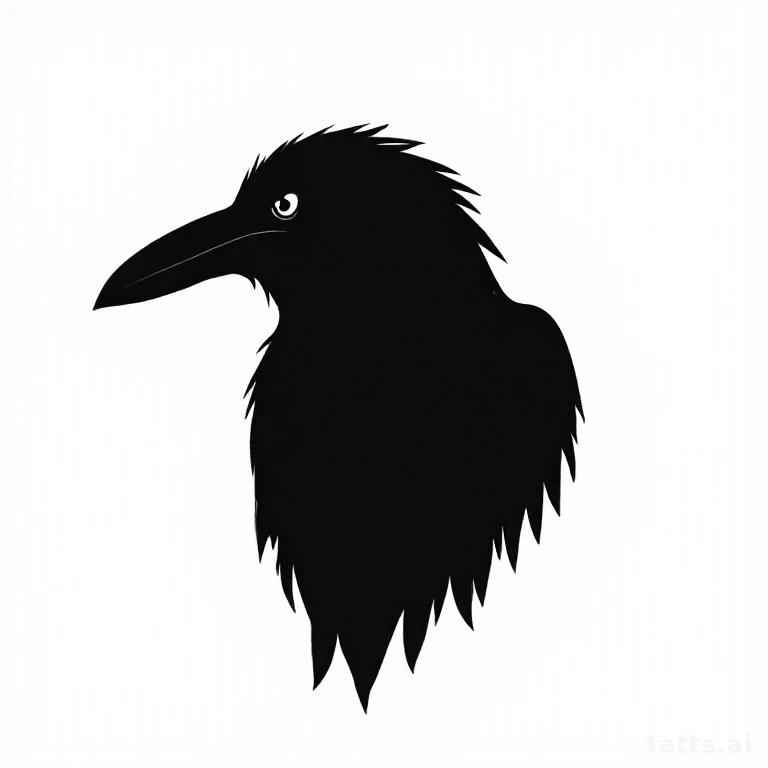
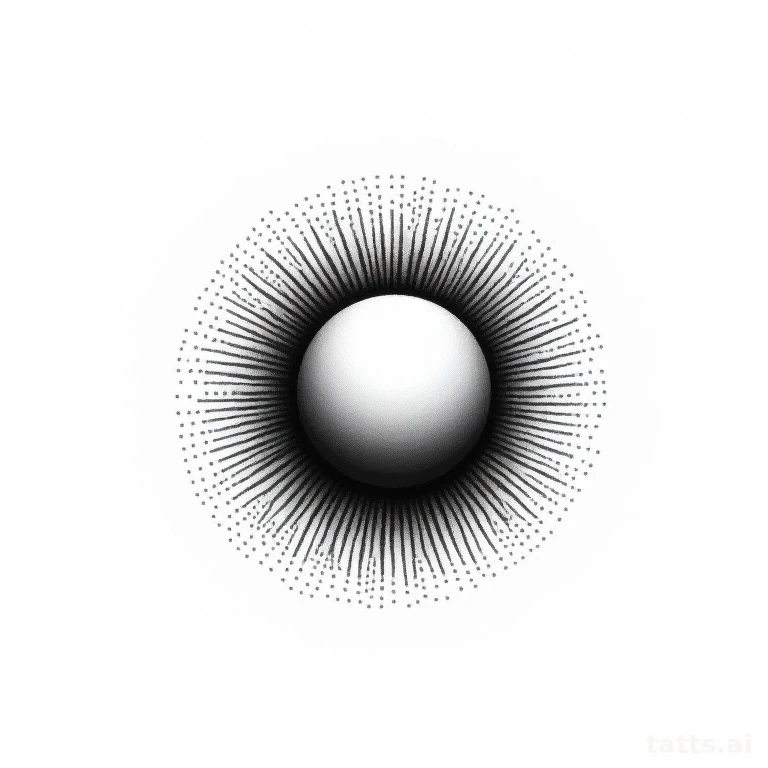
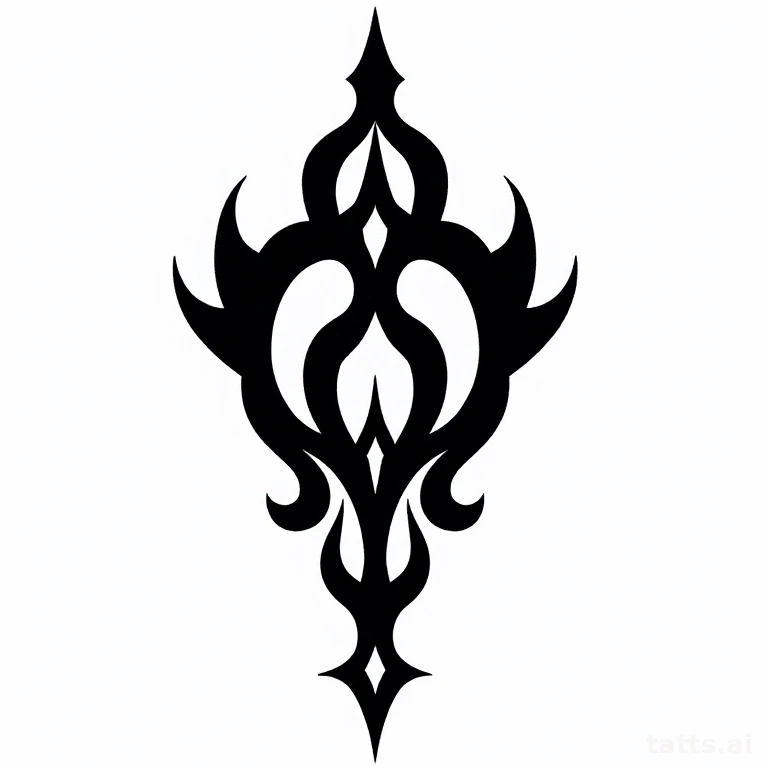
"Blackwork" gets used as a catch-all but artists distinguish sub-styles. Solid blackwork means clean, fully saturated black shapes with sharp edges — think bold silhouettes or graphic patterns. Dotwork builds the same solid-black effect (or gradient shading) using thousands of individual dots, which takes noticeably longer per square inch but can create subtler gradient effects than a filled block. Blast-over is specifically the practice of covering an entire limb or torso section in dense black pattern work to unify or hide older tattoos underneath — it's the most extreme commitment of the three and usually requires multiple full sessions.
Why healed blackwork looks different from fresh blackwork
Fresh blackwork out of the chair looks matte and almost too dark — that's swelling and the top layer of ink sitting close to the surface. As it heals over 3-4 weeks, the skin's top layer sheds and the true settled color emerges, often with a very slight blue-black or grey-black cast depending on the ink brand and your skin tone, especially on lighter skin. This is normal and not fading. Don't panic if healed blackwork looks marginally softer than the Instagram photo taken minutes after the session — that photo is never the true final look.
Frequently asked
- Does blackwork really last longer than color tattoos?
- Yes, meaningfully. Solid black ink at full saturation resists the body's gradual ink breakdown better than any color, especially reds and yellows which fade fastest. A well-done blackwork piece can look close to fresh at 20-25 years with only minor edge softening, while color work in the same spot would need multiple touch-ups by then.
- Can you add color to a blackwork tattoo later?
- Technically yes but it's rarely done well — color ink laid over or next to dense solid black tends to look muddy because there's no light skin tone showing through to make the color pop. Most artists will tell you to decide on all-black or color-included before the first session rather than trying to retrofit color later.
- Why does blackwork hurt more than other styles?
- The needle re-passes the same area repeatedly to build full ink saturation across a solid shape, rather than a single clean outline pass. More total needle time on the same patch of skin means more cumulative trauma and swelling, which is why blackwork sessions on ribs or sternum are consistently rated among the most painful placements in tattooing.
Make it yours
Generate a one-of-one blackwork design free — then try it on your skin.