Tattoo ideas
Rose Shoulder Tattoo Ideas
The shoulder cap is one of the most versatile placements for a rose because it's a natural anchor point — a single rose sits comfortably as a standalone piece, or the same design can serve as the starting point for a sleeve that extends down the arm or a chest piece that wraps forward, so it's worth thinking about future plans even if you're only committing to the shoulder for now. The rounded shape of the deltoid also gives the bloom a natural three-dimensional stage; a rose tattooed here tends to look like it's actually sitting on a curved surface rather than a flat sticker, which flatters the subject regardless of style.
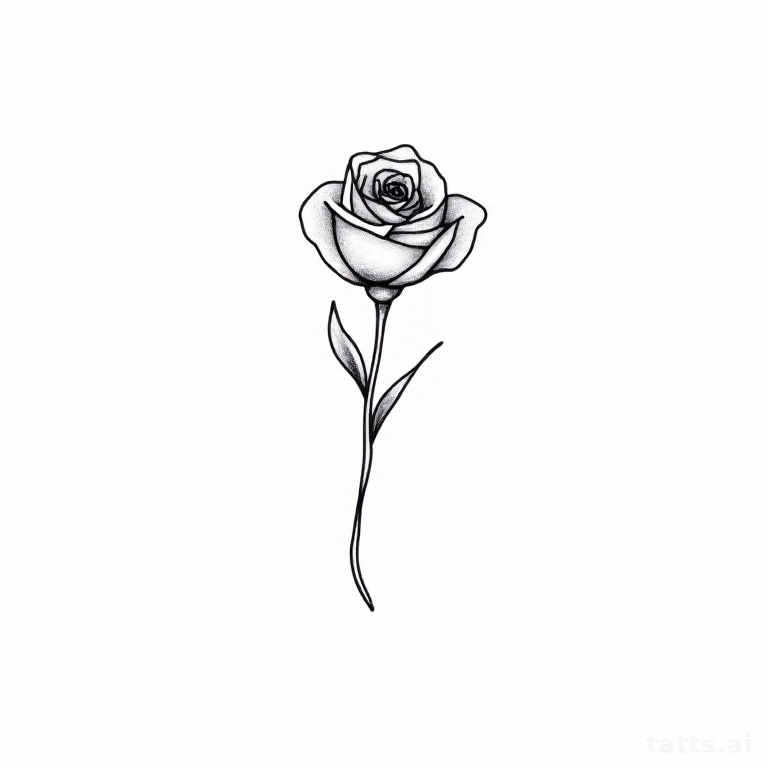
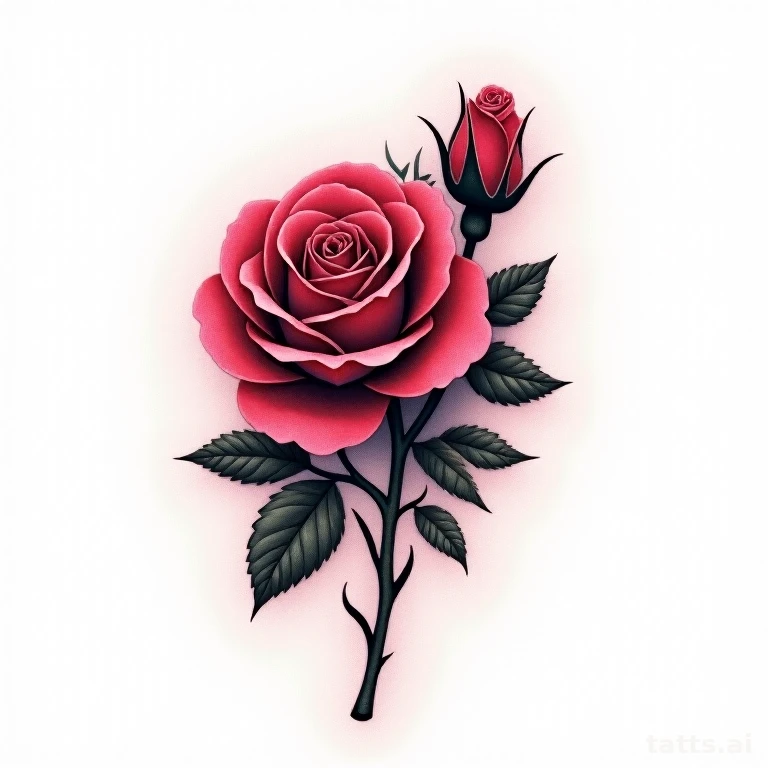
Style choice matters more here than placement does. A traditional rose (bold outline, flat red-and-green fill) reads as bold and graphic from a distance, ages exceptionally well over decades, and suits the shoulder's visibility when wearing tank tops or off-shoulder clothing. A fine-line or single-needle rose goes the opposite direction — delicate, almost sketch-like, often rendered in black-and-gray or a single muted color, and reads as more personal and quiet, though it requires more careful skin care and will likely need a touch-up in the 5-7 year range as the finest lines soften. Neo-traditional splits the difference: still bold-outlined but with shading depth and a broader color range for a rose that reads as more dimensional than flat traditional without sacrificing much longevity.
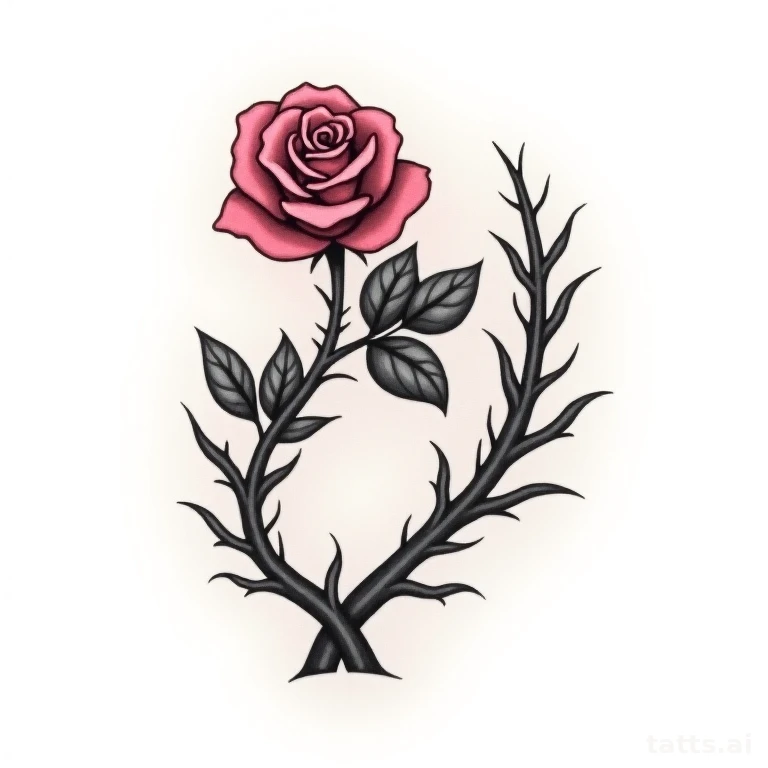
Sizing gives real flexibility on the shoulder: a small single bloom works at 2-3 inches tucked toward the front of the deltoid, while a fuller composition with stem, leaves, and thorns wrapping partway around the cap needs 4-6 inches. Pain on the shoulder is moderate, generally 4-6/10, with the front and top of the deltoid being more tolerable than the back of the shoulder near the shoulder blade edge, which can climb to 6-7/10 due to thinner skin over bone. A single rose in traditional style typically finishes in one 1.5-2.5 hour sitting; a fuller composition with more shading or fine-line detail can run 3-4 hours. Bold traditional or neo-traditional roses on the shoulder commonly stay sharp 20-25+ years with minimal upkeep, while fine-line versions in the same spot are the ones to budget a touch-up for sooner.
Rose Shoulder designs
Generate your own rose shoulder design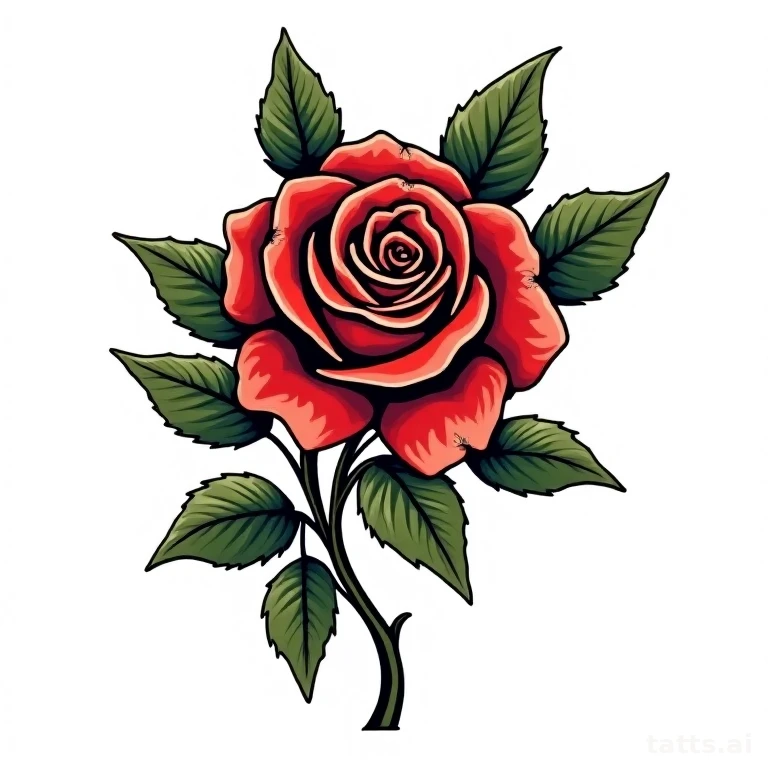
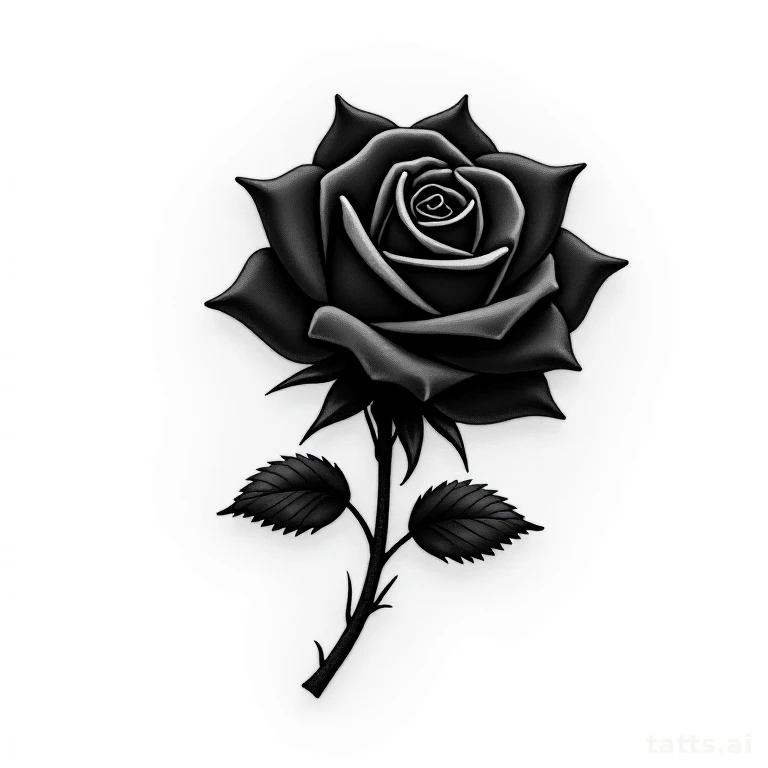
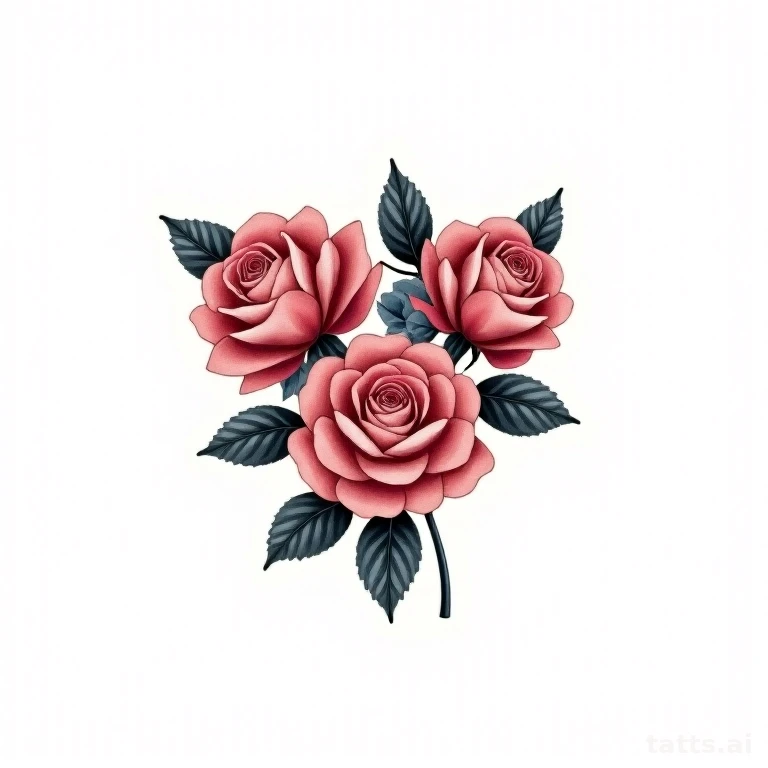
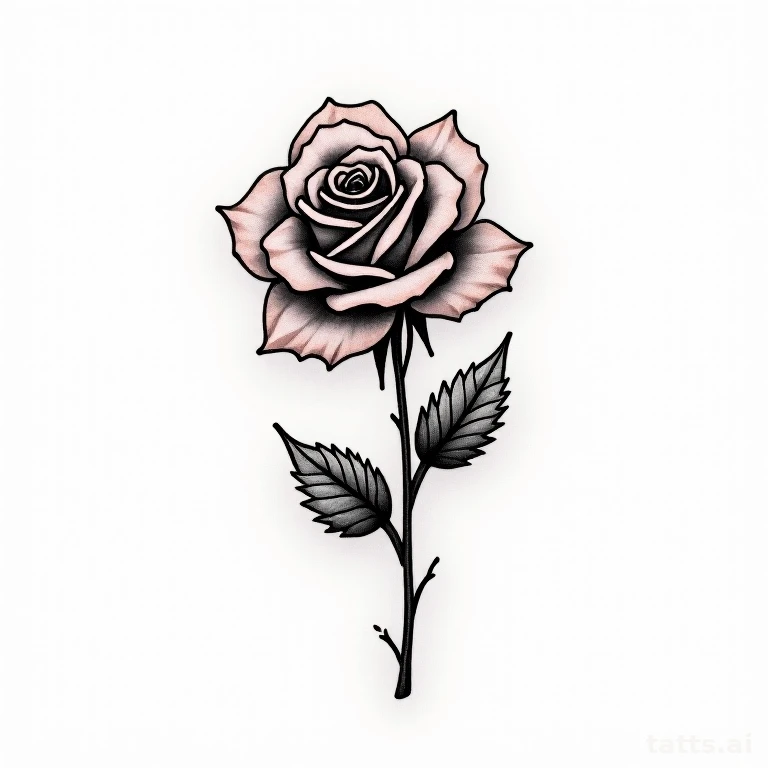
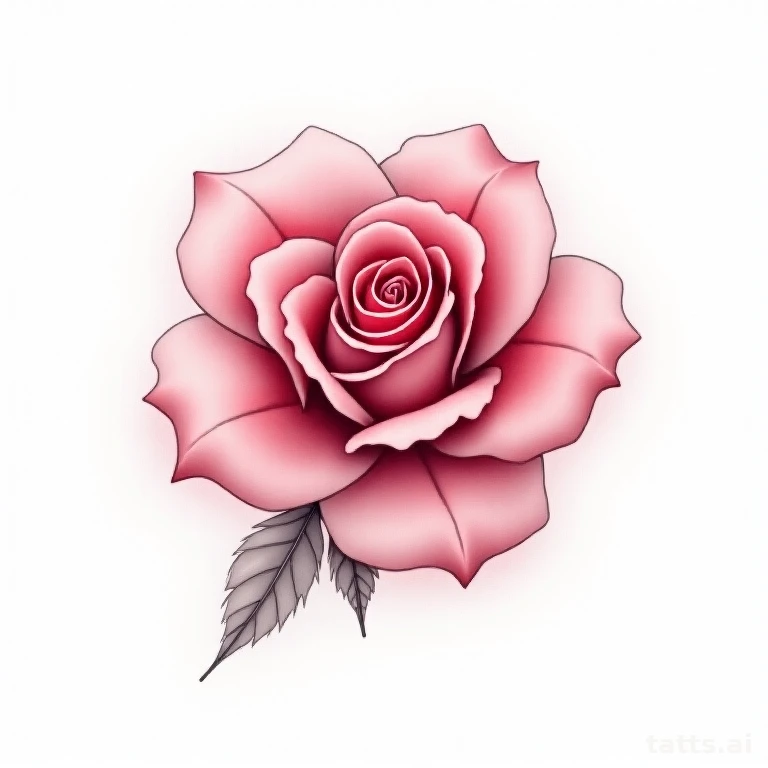
Anchoring a Future Sleeve or Chest Piece
If there's any chance you'll want to extend this tattoo later — down the arm into a sleeve, or forward onto the chest — say so at the consultation, even if you're only booking the shoulder piece today. A rose placed and angled with future extension in mind connects much more naturally to additional work than one designed as a fully isolated, self-contained composition. This costs nothing extra now but saves real headaches (and re-work) if you do decide to expand in a year or two.
Choosing Style Based on How Visible You Want It
Bold traditional and neo-traditional roses read clearly from across a room, which is either exactly what you want or more visibility than you're looking for, depending on your workplace and personal preference. Fine-line versions are noticeably more subtle and can pass as understated even at a decent size, since the delicate linework doesn't demand attention the way saturated color and thick outlines do. Think about where you'll actually be showing this piece, and how often, before locking in a final style.
Frequently asked
- Is the shoulder a good spot for a first tattoo?
- Yes, it's consistently rated one of the more comfortable and forgiving placements for a first piece — moderate pain, good visibility for healing and aftercare, and enough flat-to-curved surface to accommodate most rose compositions without cramming. It's also easy to conceal or show off depending on what you wear.
- How do I decide between a small single rose and a bigger composition?
- Consider how much of the shoulder you actually want covered and whether you might extend the piece later. A small 2-3 inch bloom is a clean, quick, affordable option that still reads clearly, while a 5-6 inch composition with stem and leaves gives more visual weight and works better as an anchor for future sleeve or chest extension.
- Does shoulder placement affect how fast a rose fades?
- The shoulder generally holds ink well since it's not a high-friction area like hands or feet, though the back edge near the shoulder blade sees more stretch during arm movement than the front of the deltoid. Sun exposure from sleeveless clothing is a bigger long-term fading factor than the placement itself, so SPF matters if you wear it uncovered often.
Make it yours
Generate a one-of-one rose shoulder design free — then try it on your skin.