Tattoo ideas
Fine Line Rose Tattoo Ideas
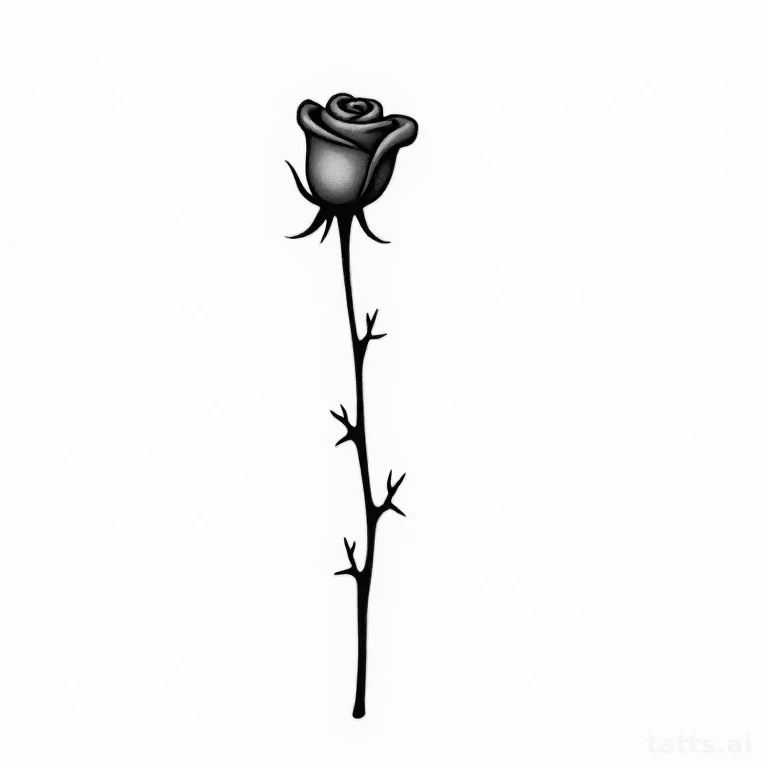
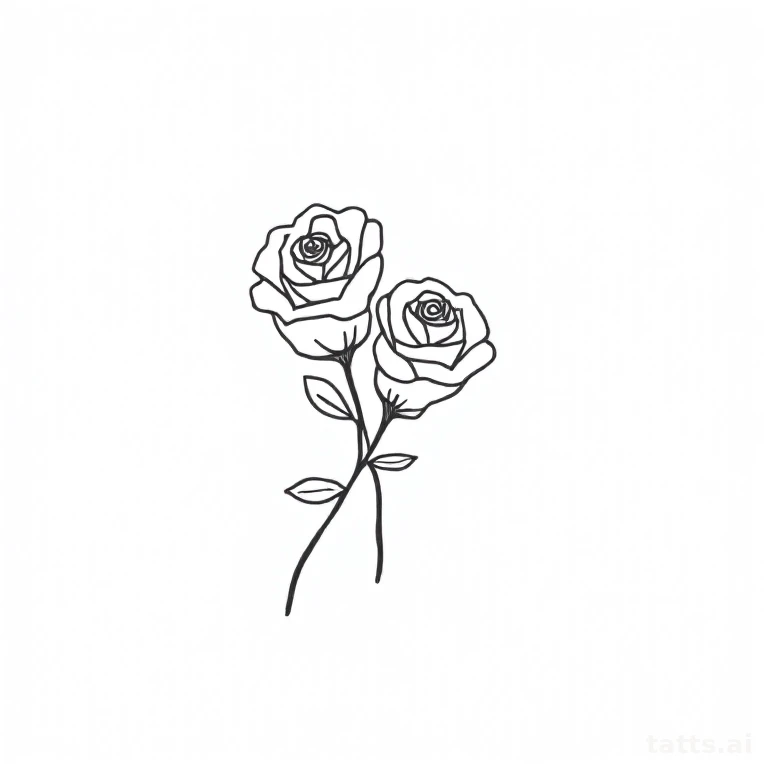
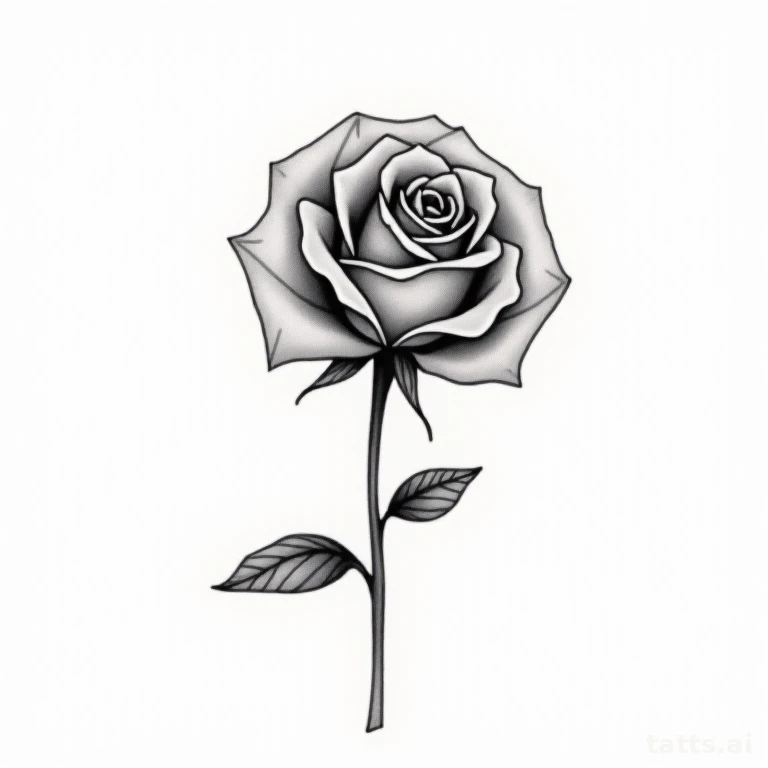
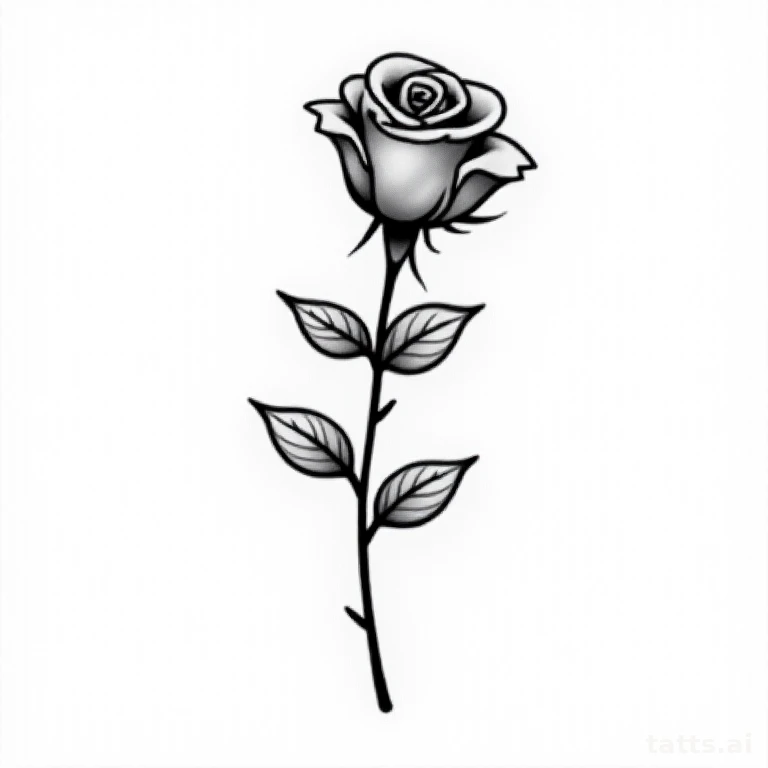
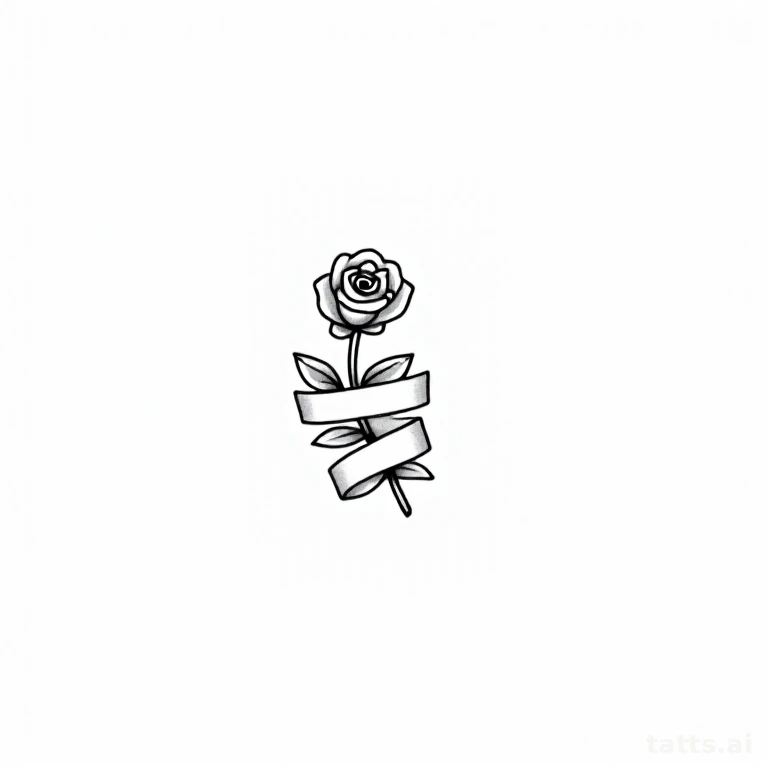
A fine line rose trades the bold red-and-green saturation of a traditional rose for something quieter: a single continuous outline, minimal or no shading, sometimes just the suggestion of petals rendered in one unbroken pass of the needle. The rose itself carries centuries of layered meaning — love in full bloom, but also the thorn as a reminder that beauty and pain coexist, which is part of why a rose with a visible stem and thorns reads differently (more grounded, more honest) than a rose bloom floating alone. In fine line work specifically, artists often draw the rose slightly open or wilting rather than in perfect full bloom, which adds a note of impermanence that bold traditional roses, built for maximum visual punch, rarely attempt.
Technically, fine line roses live or die on needle consistency — a single-needle configuration (as opposed to the 3-5 needle liner used for bold work) lays down a much thinner line, which means every petal fold and stem curve has to be planned with almost no room for the ink to visually 'forgive' a wobble the way thicker traditional linework does. This makes artist selection more important here than for most styles: ask specifically to see healed (not just fresh) fine line rose work in a portfolio, since fresh photos hide how much a thin line spreads once it settles under skin over the following weeks.
Placement drives how long this style holds up. On low-movement, low-friction skin — the outer forearm, the shoulder blade, the upper back — a fine line rose can stay crisp for 6-8 years before petals start to soften into each other. On high-movement spots like the inner wrist or fingers, that window shrinks to 2-4 years. Because there's minimal shading to hide behind, plan on a touch-up appointment as your realistic maintenance schedule rather than a one-and-done tattoo, and size it at least 3 inches tall if you want individual petals to stay distinguishable rather than merging into a solid grey-black shape as it ages.
Fine Line Rose designs
Generate your own fine line rose design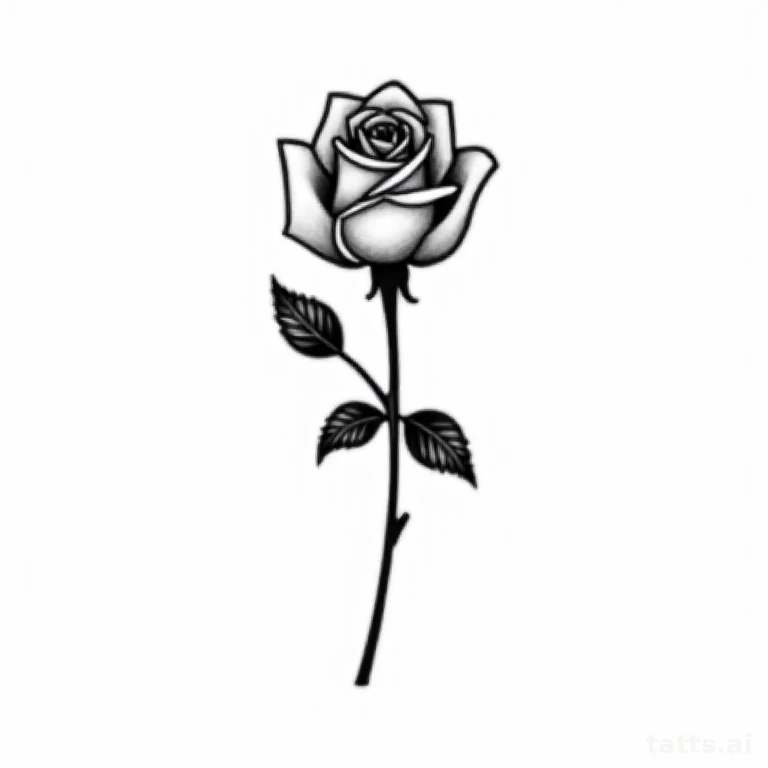

Symbolism Behind the Rose
Beyond the general 'love' shorthand, rose meaning shifts with color and state even in monochrome fine line work, conveyed through composition rather than pigment. A single rose in full bloom typically represents romantic love or a completed chapter; a rose bud suggests potential or new beginnings; a wilting or single-petal-falling rose is a common choice for grief or loss tattoos, memorializing someone or something specific. Thorns included on the stem add a layer about resilience or hard-won love — leaving them off produces a softer, purely decorative read that some clients prefer for a purely aesthetic piece with no deeper backstory attached.
Best Placements for Fine Line Detail
The outer forearm and shoulder blade are the strongest choices for a fine line rose meant to last, since both offer flat, low-flex skin that keeps thin lines from distorting. The ribcage and sternum are popular for a rose specifically because the flat bone surface holds a delicate stem-and-bloom composition well, though pain there runs significantly higher (7-8 out of 10) than the forearm's 3-4. Avoid the palm-facing wrist and fingers for anything with real petal detail — those spots simply can't hold fine lines long-term, and a rose crammed into that little space will lose its shape within a couple of years regardless of who tattoos it.
Frequently asked
- How long does a fine line rose tattoo stay sharp?
- On low-movement placements like the outer forearm or shoulder blade, expect 6-8 years before petals start softening into each other. On high-friction spots like the wrist or fingers, that drops to 2-4 years. A touch-up is a realistic part of owning fine line work, not a sign something went wrong.
- What does a wilting rose tattoo mean versus a full bloom?
- A full bloom typically symbolizes romantic love or a completed chapter of life. A wilting rose or one with a falling petal is commonly chosen as a memorial or grief piece, representing loss or the passage of time. The distinction is a common way people personalize an otherwise common tattoo subject.
- Can a fine line rose include color?
- Yes, though most fine line rose tattoos stay monochrome or use a single muted accent tone (a soft red or blush pink) rather than full traditional saturation. Adding color increases fading speed since fine line color deposits less pigment than bold traditional shading, so touch-ups may be needed sooner if color is important to you.
Make it yours
Generate a one-of-one fine line rose design free — then try it on your skin.