Tattoo ideas
Fine Line Tattoo Ideas
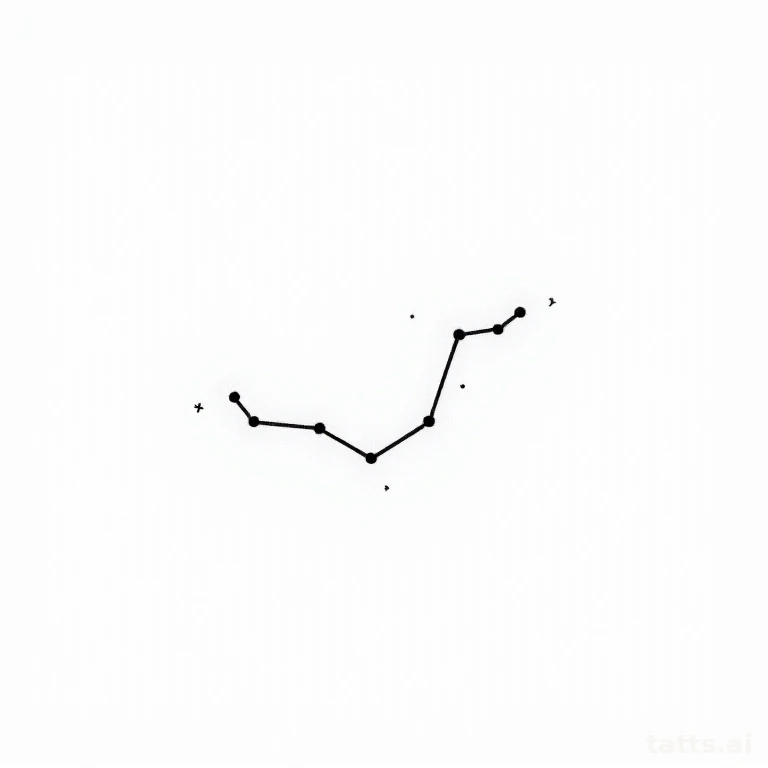
Fine line work is built on restraint. A single liner (often a 1-3 round liner needle, sometimes as fine as a permanent-marker stroke) replaces the thicker 5-9 groupings used in bolder styles, which is what gives the style its whisper-quiet look — botanical sprigs, single-word scripts, constellation dots, faces reduced to a few contour strokes. It reads as jewelry more than statement art, which is exactly why it took off with people getting their first tattoo or adding a fourth or fifth small piece to an existing collection. The tradeoff for that delicacy is durability: because there's less ink saturation per line, fine line pieces are the first style to show fading, and most artists tell clients to expect a touch-up somewhere between year three and year six, sooner on sun-exposed placements like the forearm or ankle.
Placement is where fine line lives or dies. Inner forearm, wrist, collarbone, behind the ear, and ribs are the classic zones because the skin is comparatively flat and the design can be read at close range — this is not a style for the outer shoulder or calf where skin texture and stretch will blur a hairline stroke over time. Pain runs on the lower end for wrist and forearm (roughly 3-4 out of 10, mild scratching sensation), climbs for ribs and sternum (7-8, thin skin over bone with little padding), and spikes hardest right on the collarbone or spine where nerve density is high. Sessions are usually quick, 30 minutes to two hours depending on complexity, since there's no heavy shading to fill.
Size matters more here than in almost any other style — fine line pieces under an inch tend to blur into an ink smudge within five years, so most reputable artists push clients toward at least 2-3 inches for anything with detail (a rose, a small animal, lettering). If you want genuinely tiny (a single star, an initial), keep the design as simple as possible: fewer lines survive better than intricate ones at small scale. Because there's no bold black outline anchoring the piece the way traditional tattoos have, fine line ages more like a pencil drawing than a woodcut — soft edges blur first, so avoid cramming fine detail into anything smaller than a matchbook.
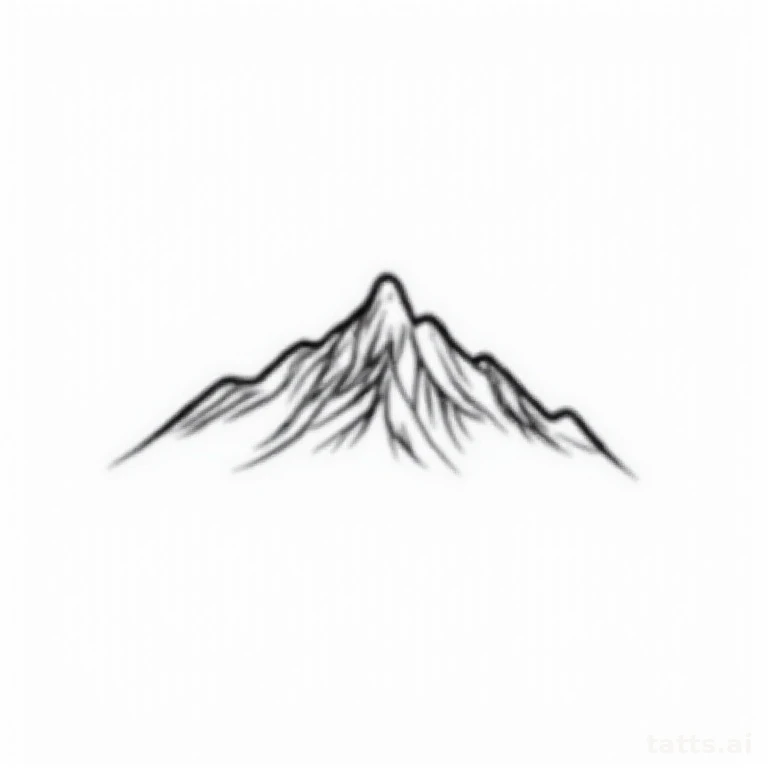
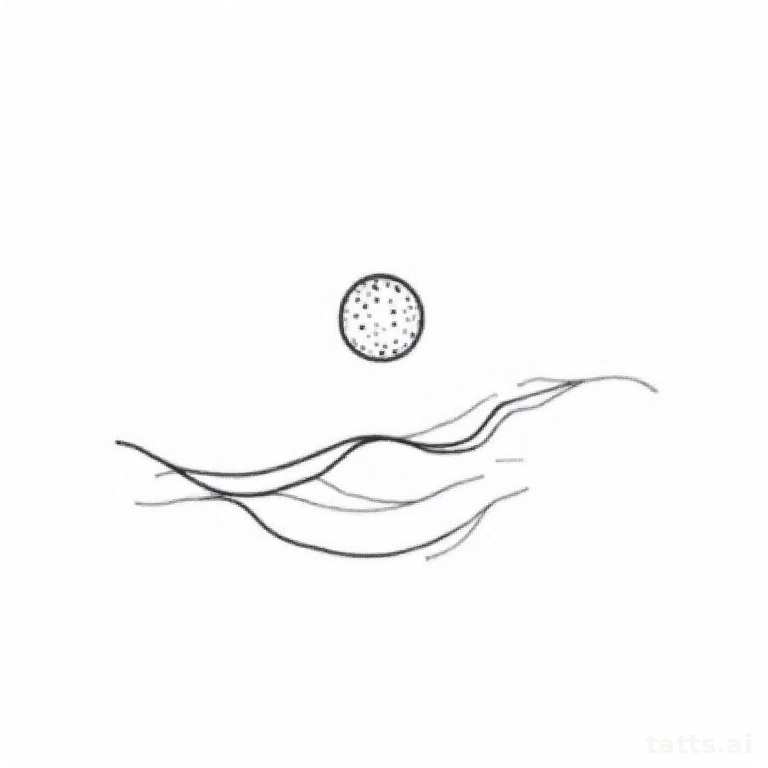
Fine Line designs
Generate your own fine line design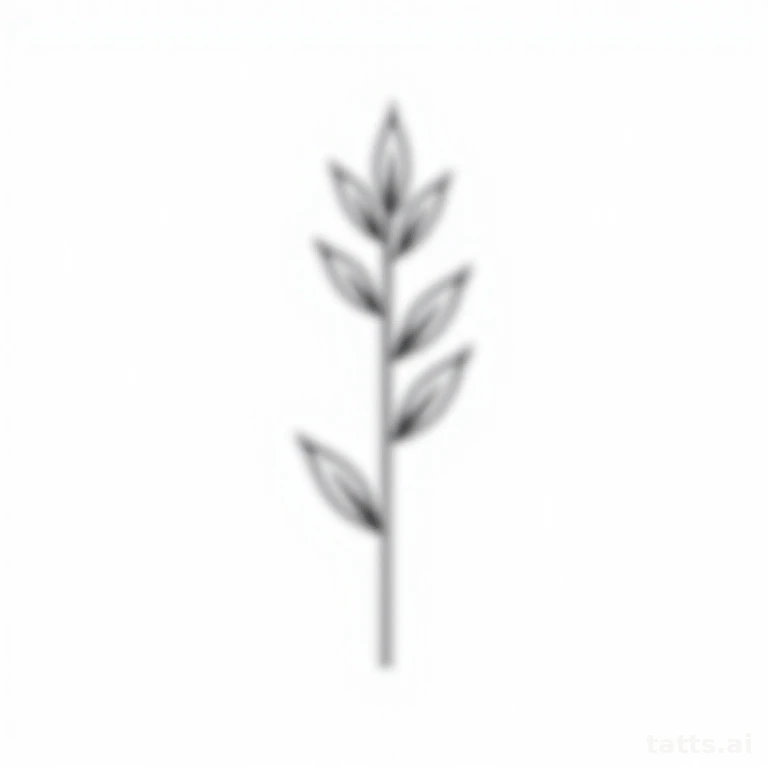

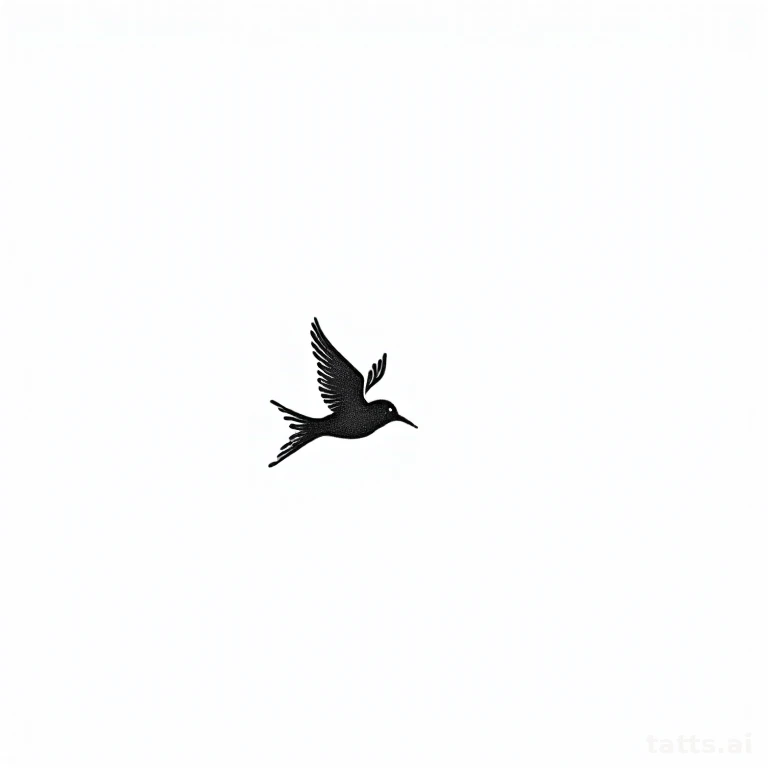
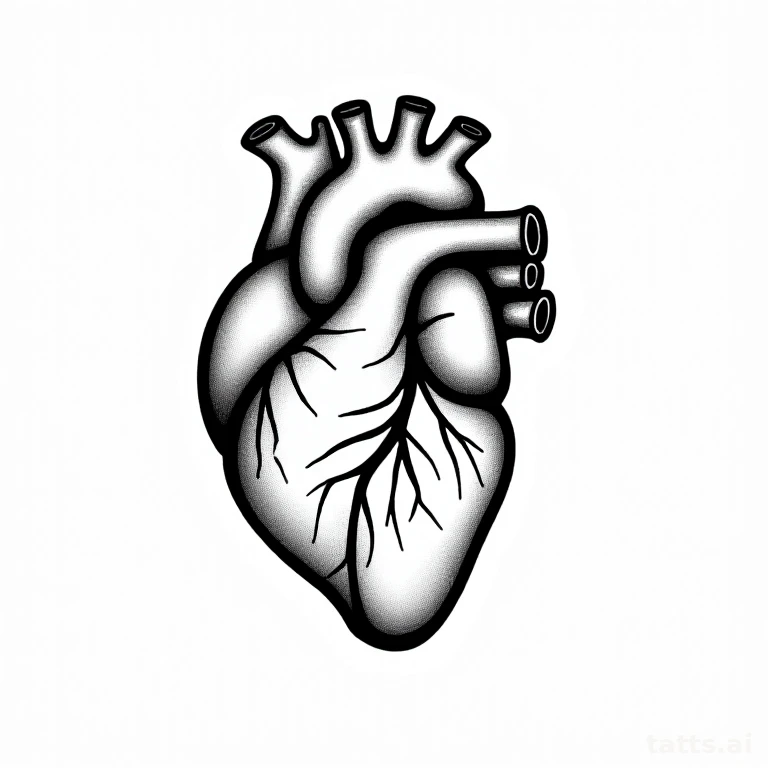
Why fine line fades faster than bold styles
Ink deposited through a fine liner sits in a narrower, shallower channel than a bold outline or packed shading, so the body's immune response (which slowly breaks down and migrates ink particles over years) has less material to work with before a line visibly thins. A traditional tattoo's thick black outline can lose 30% of its density and still read clearly; a fine line loses that same percentage and starts to look like a faint scar. UV exposure accelerates this specifically on forearms, ankles, and hands. Sunscreen (SPF 30+) on healed fine line work isn't optional maintenance, it's the single biggest lever a client has over the piece looking sharp at year five versus year two.
Choosing a fine line artist, not just any tattoo artist
Fine line technique is unforgiving of shaky hands and inconsistent needle depth — a wobble that would disappear inside a bold traditional line is fully visible in a 1-liner stroke. Look specifically for portfolio work in fine line, not general portfolios, because the skill (steady hand, consistent single-needle depth, controlled machine speed) doesn't automatically transfer from someone skilled in bold blackwork or color realism. Ask to see healed photos, not just fresh ink — fresh fine line always looks crisp; healed photos at the one-year mark tell you how the artist's line weight actually holds up.
Frequently asked
- How long does a fine line tattoo actually last before it needs touching up?
- Most fine line work holds a crisp look for 3-5 years on well-protected skin (upper arm, ribs, back) and closer to 2-3 years on high-exposure or high-friction spots like hands, fingers, or ankles. A touch-up is a normal part of owning fine line ink, not a sign of a bad artist — budget for it the way you'd budget for reapplying a car's ceramic coating.
- Is fine line a good choice for a first tattoo?
- Yes, with one caveat: pick a design at least 2 inches in its smallest dimension. First-timers often go too small because it feels like a lower-commitment test run, but tiny fine line pieces blur fastest and are the hardest to touch up cleanly since there's so little room to rework the line.
- Does fine line hurt less than bold traditional tattoos?
- The needle grouping is smaller so each individual pass feels lighter, but total session pain depends more on placement and time under the needle than on line weight. A fine line rib piece will still hurt more than a bold traditional forearm piece — placement dominates over style when it comes to pain.
Make it yours
Generate a one-of-one fine line design free — then try it on your skin.