Tattoo ideas
Butterfly Tattoo Ideas
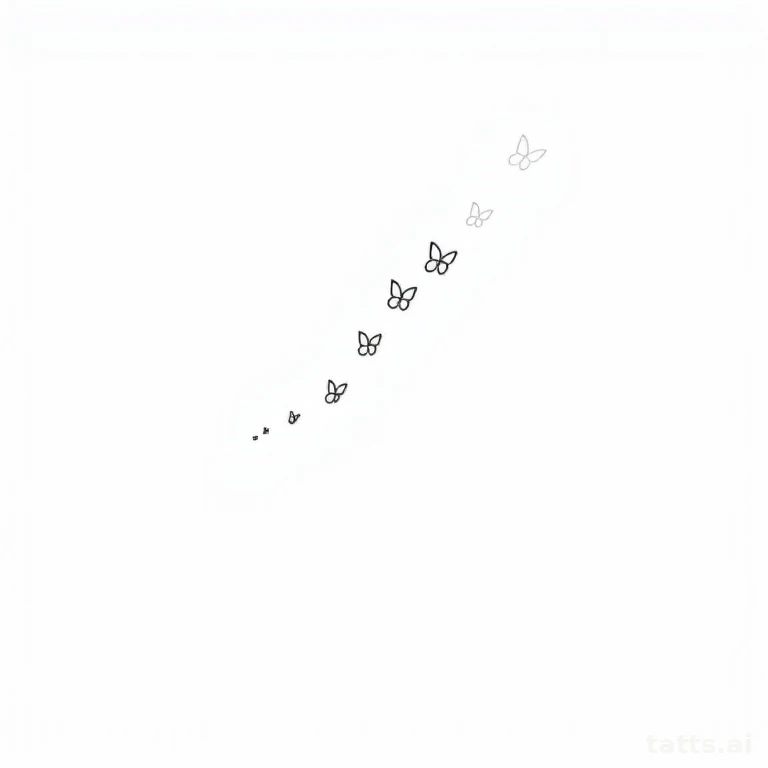
Butterflies became one of the most requested tattoo subjects of the last decade largely because the symbolism travels so easily: the caterpillar-to-chrysalis-to-butterfly life cycle is an almost too-perfect metaphor for personal transformation, recovery, or moving past a hard chapter. It's also one of the few subjects that carries real weight without needing to look heavy — a small butterfly can hold as much personal meaning as a full sleeve, which is part of why it's such a popular first tattoo. Beyond transformation, butterflies also read as freedom and lightness, and multiple butterflies together (a 'flight' of them trailing up an arm or spine) often represent a family or group of loved ones rather than a single idea.
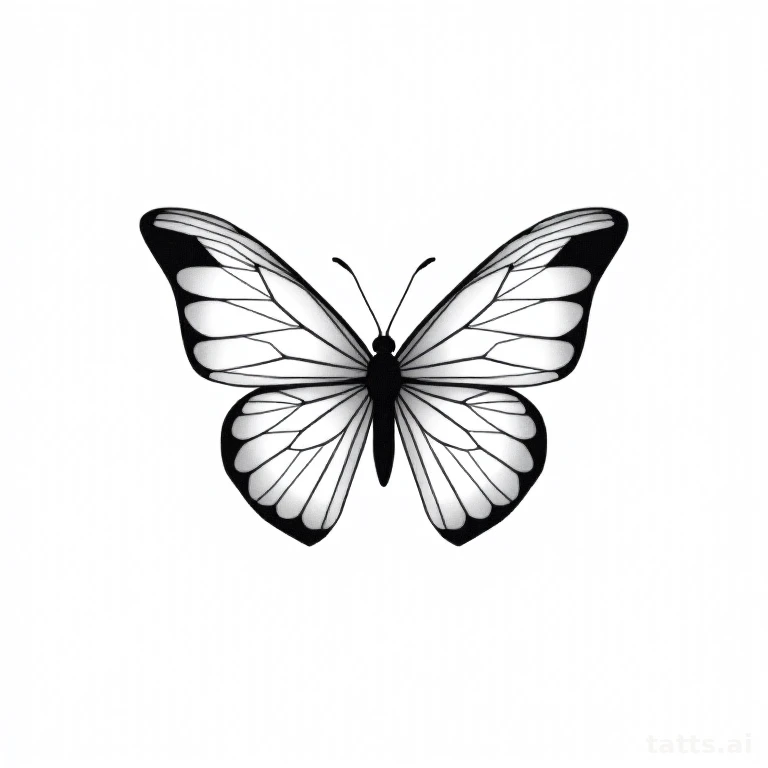
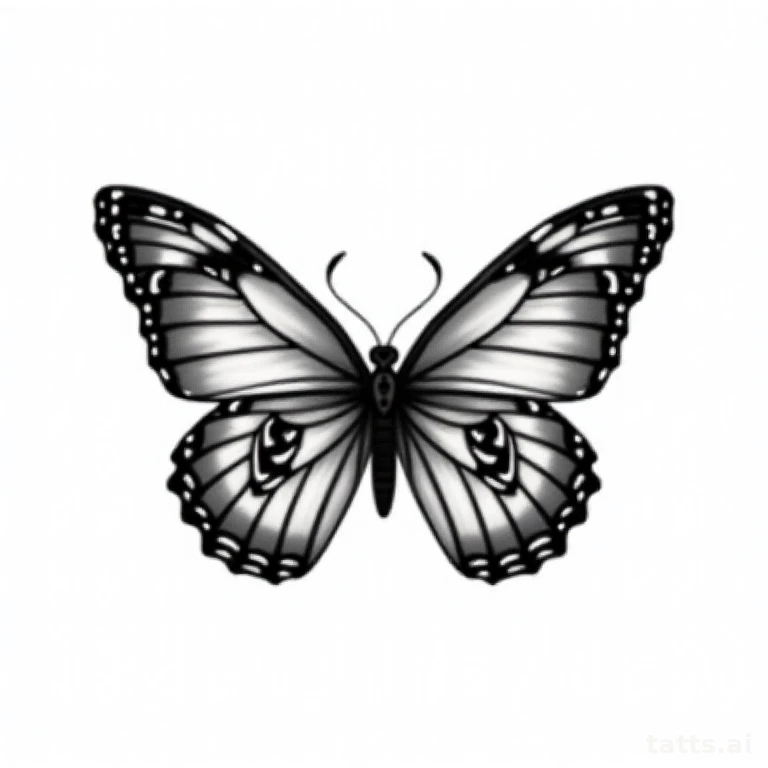
Wing symmetry is the single biggest technical challenge with this subject, and it's worth discussing directly with your artist before the session. Hand-drawn freehand butterflies almost always have subtle asymmetry between the left and right wings — sometimes that's charming, sometimes it bothers people for years. If symmetry matters to you, ask specifically for a stenciled, mirrored design rather than a freehand one. Placement-wise, butterflies work at almost any size: a single small butterfly fits cleanly on the wrist, behind the ear, ankle, or finger at 1-2 inches, while a detailed wing-pattern butterfly wants the shoulder blade or upper back at 4+ inches to show off vein detail and color gradients on the wings.
Pain is genuinely low for most common butterfly placements — wrist and ankle run 3-5/10, shoulder blade around 3-4/10, making this a comfortable subject for first-timers. The spine is the exception if you're doing a trailing line of butterflies up the back — that's consistently 7-8/10 due to the thin skin and bone proximity along vertebrae. On aging: fine-line butterflies are extremely popular right now specifically because delicate single-needle work suits the wing's natural thinness, but that same delicacy means fine-line butterflies are among the faster-fading tattoo styles, often needing a touch-up by year 4-6, especially at high-friction spots like wrist or ankle. A bolder neo-traditional butterfly with thicker outline and solid color fills holds shape closer to 15+ years.
Butterfly designs
Generate your own butterfly design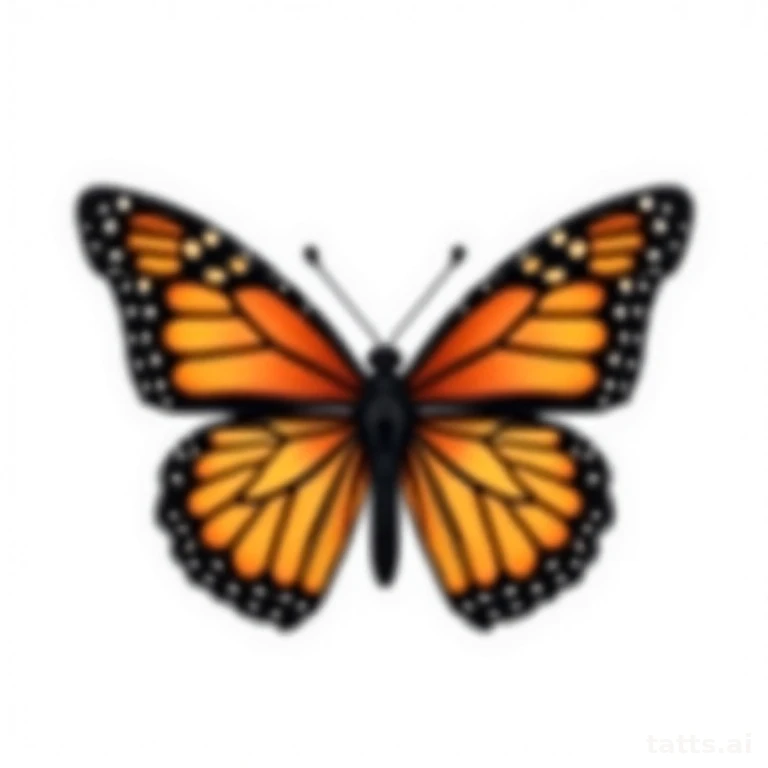
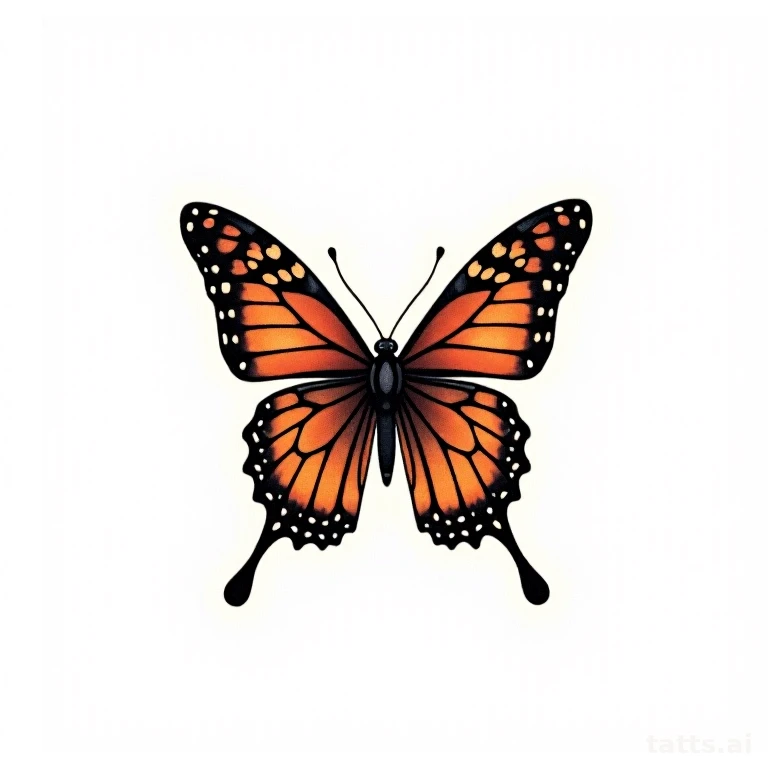
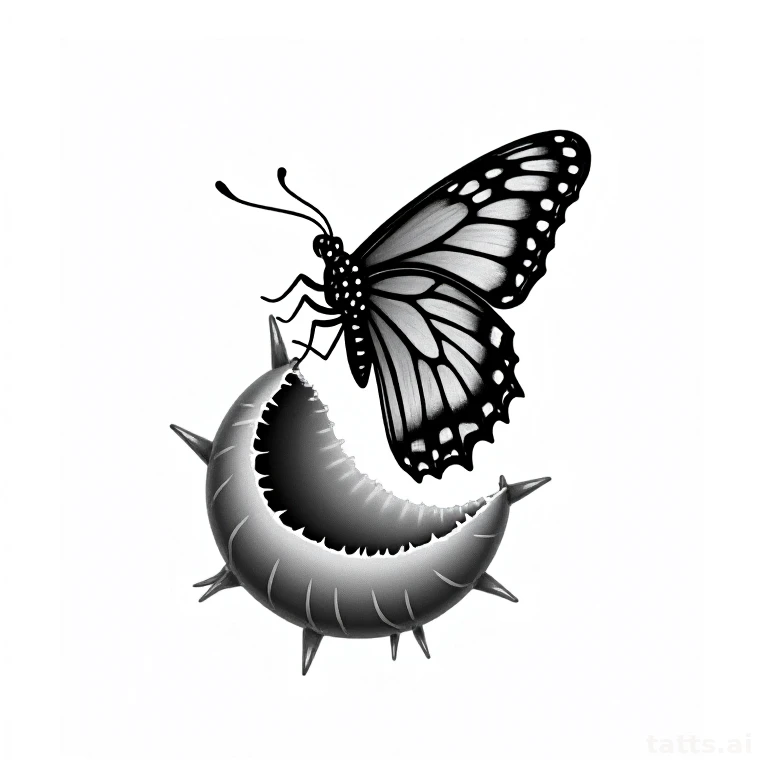
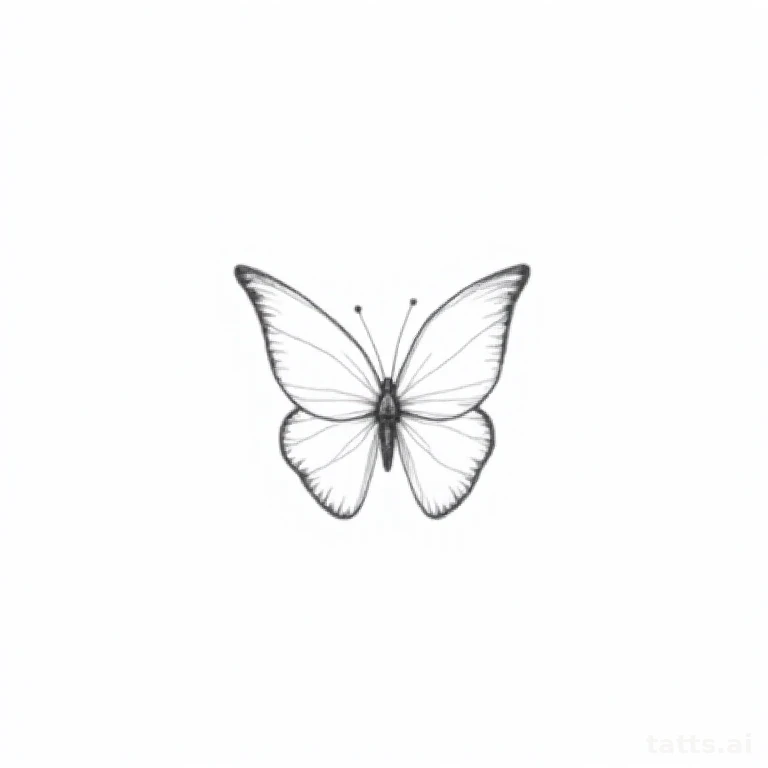
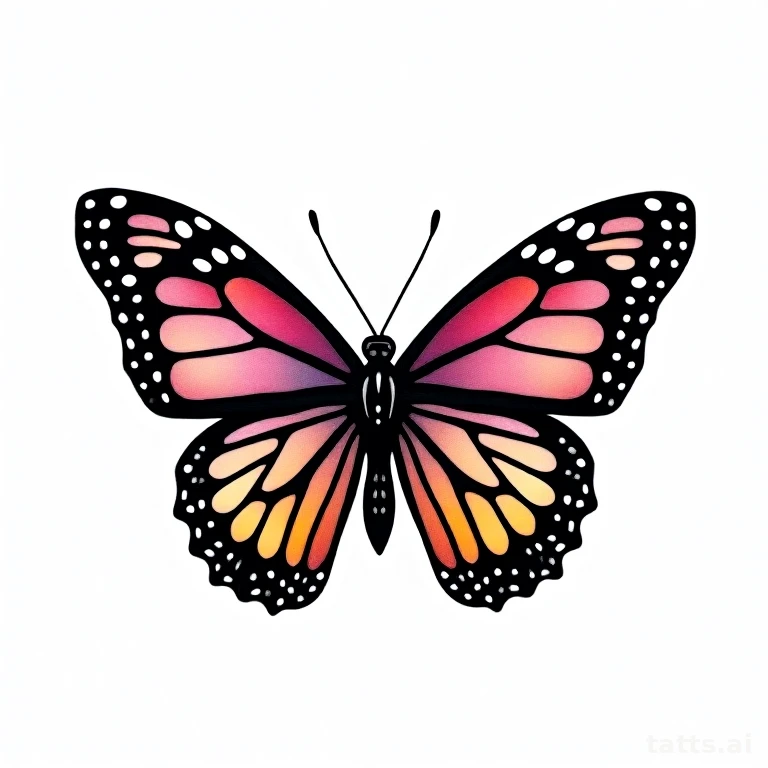
Symmetry and Wing Detail
Ask your artist upfront whether they'll freehand the design or use a mirrored stencil — this single choice determines whether your two wings match. Freehand gives a looser, more organic look that some clients prefer, but it virtually guarantees slight asymmetry. For wing detail itself, you're choosing between realistic vein/scale patterning (which needs more space and ages like fine-line work generally does) or simplified geometric wing shapes with bold divided sections, which read cleaner at small sizes and hold up longer.
Multiple Butterflies as a Family Piece
A trail of 3-5 butterflies increasing or decreasing in size, often placed along the spine, ribs, or up the forearm, is a common way to represent family members, children, or a personal journey with multiple stages rather than a single moment. Varying the wing style slightly between each butterfly (different pattern, same silhouette) is a popular way to give each one individual identity within the group, similar to how people vary birds or flowers in a family piece, without breaking the overall visual rhythm of the trail.
Frequently asked
- Do butterfly tattoos fade faster than other designs?
- Fine-line butterfly tattoos, which are extremely common for this subject, do tend to soften faster than bold designs — typically needing a touch-up around 4-6 years, especially at friction-prone spots like the wrist or ankle. A bolder outline with solid color fill and thicker linework holds up considerably longer.
- What does a butterfly tattoo actually symbolize?
- Most commonly transformation and personal growth, based on the caterpillar-to-butterfly life cycle, often chosen to mark recovery, a major life change, or moving past hardship. It also reads as freedom and lightness, and groups of butterflies often represent family members or loved ones.
- Where do butterfly tattoos hurt the least?
- The wrist, ankle, and shoulder blade are the most comfortable common placements, generally 3-5/10 on the pain scale. The spine is notably more painful, around 7-8/10, which matters if you're planning a trailing line of multiple butterflies climbing up the back.
Make it yours
Generate a one-of-one butterfly design free — then try it on your skin.