Tattoo ideas
Phoenix Tattoo Ideas
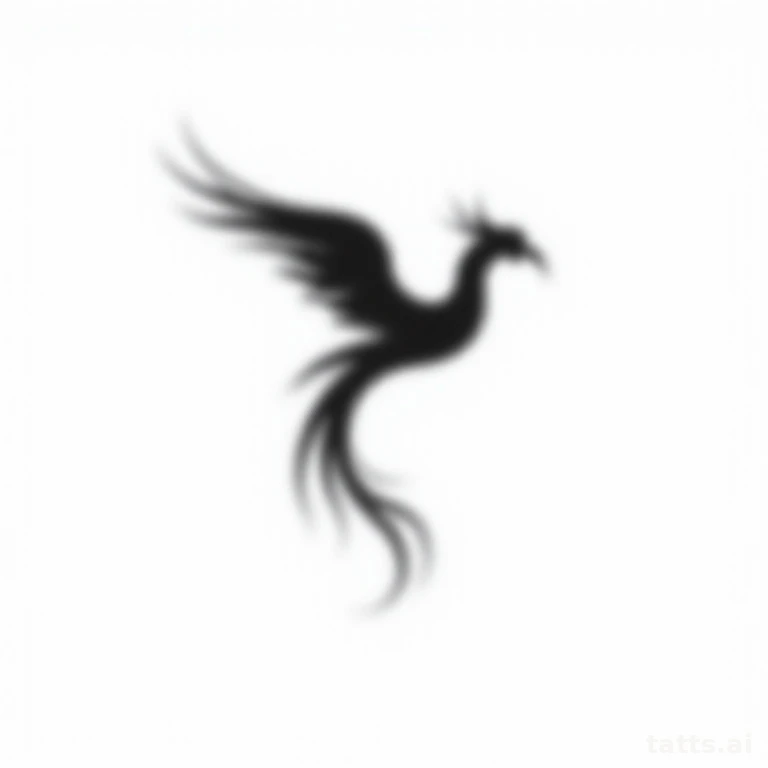
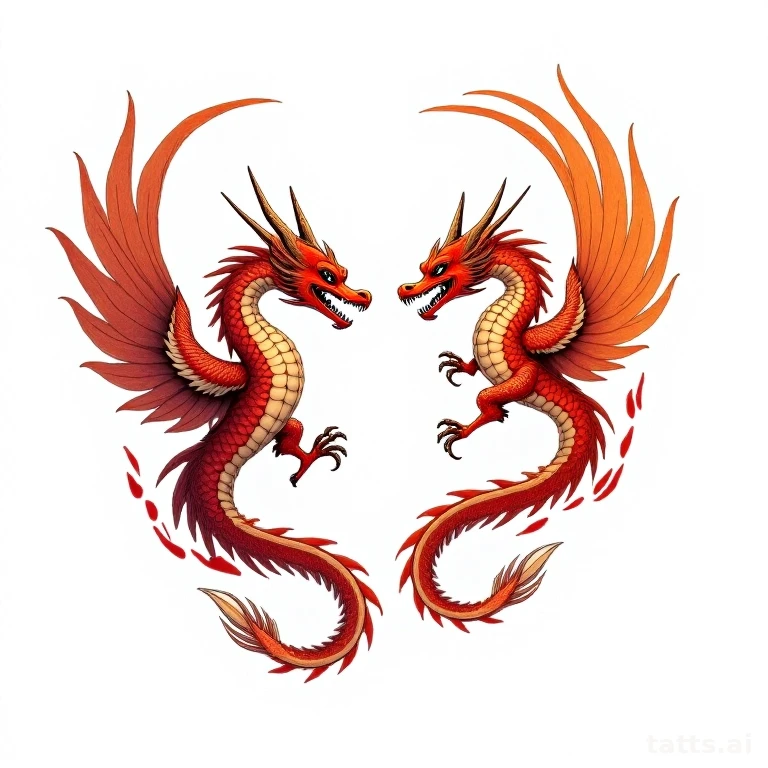
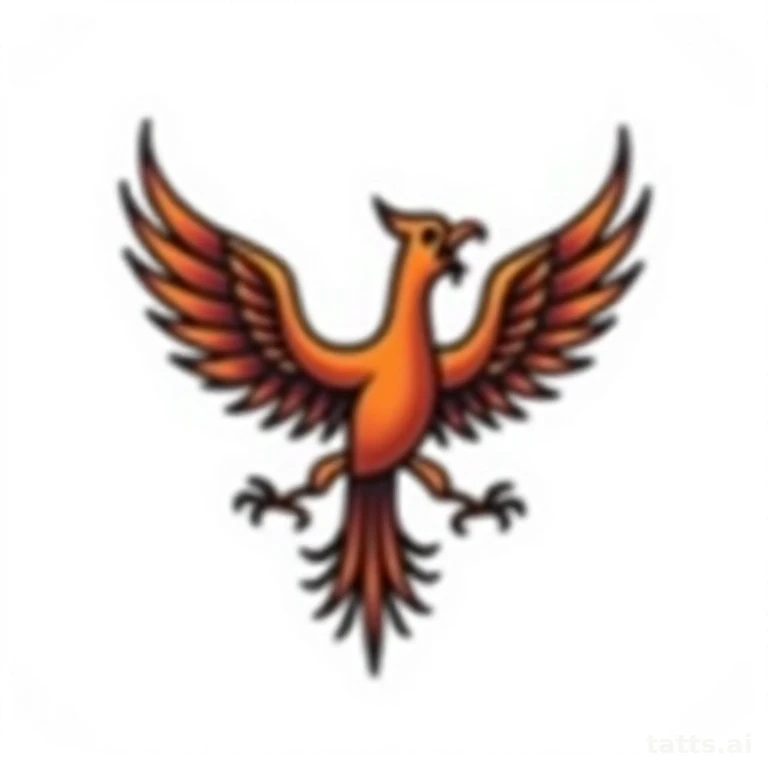
The phoenix is one of the most direct symbols in tattooing precisely because the myth has almost no ambiguity: the bird burns to ash and is reborn from it, full stop. That's why it's one of the most requested tattoos for people marking recovery from illness, addiction, an abusive relationship, or any period they'd describe as 'rising from the ashes' of. Unlike the butterfly (which shares the transformation theme but through gradual metamorphosis) the phoenix's rebirth is violent and immediate, which resonates more with clients whose turning point felt sudden rather than gradual. Wing position matters to the read: wings spread wide and rising conveys triumph and forward motion, while a phoenix shown still partially wreathed in flame or ash leans into the in-progress feeling of still being mid-recovery rather than fully past it.
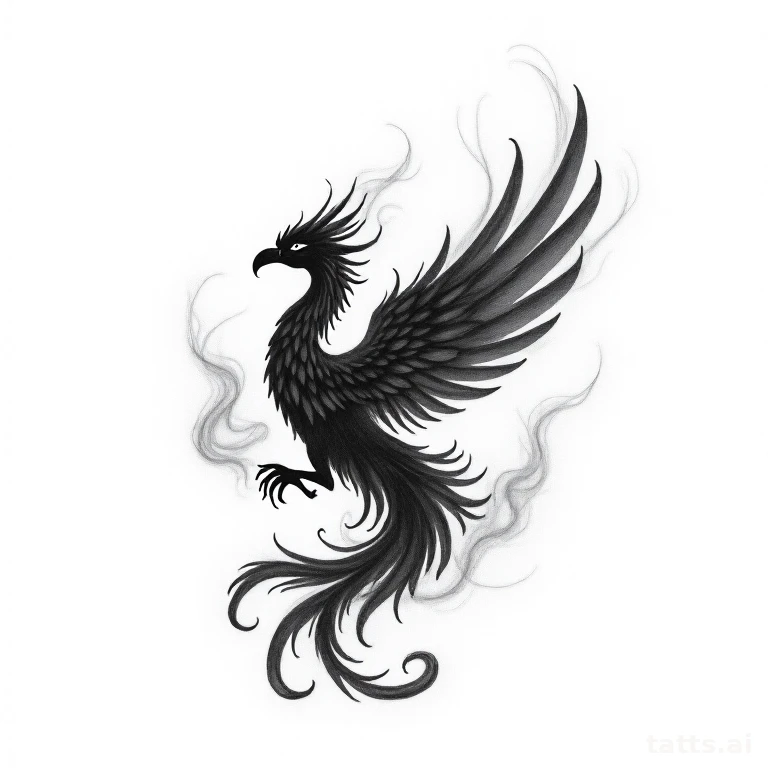
Because the design almost always includes flame, smoke, or ember detail radiating outward from the wings, phoenix tattoos need real space to avoid the fire elements looking like scattered dots rather than a cohesive blaze. The upper back and full chest are the classic large-scale placements, giving the flame trail room to wrap the shoulder or taper down the spine. A phoenix condensed onto the forearm at under 5 inches tends to lose the flame's motion and reads more like a generic bird with red accents. If forearm placement is non-negotiable for you, ask your artist to simplify the flame into fewer, bolder shapes rather than trying to fit the full radiating detail into a small space.
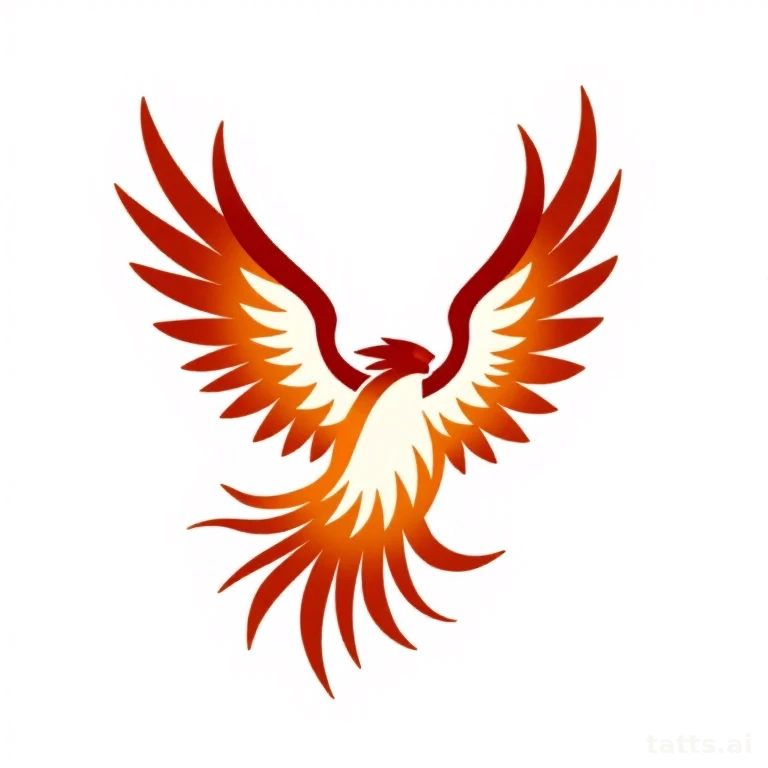
Pain is moderate to high depending on how large the piece goes: upper back sits around 4-5/10 and is genuinely one of the more comfortable large-canvas zones, while a chest piece that follows the sternum runs 7-8/10. On aging, color is the deciding factor here more than line weight. Phoenix tattoos usually rely on warm gradient blends — deep red into orange into yellow — to sell the fire effect, and color ink fades measurably faster than black ink under UV exposure, typically needing a re-saturation touch-up around 6-8 years even with sunscreen discipline. A black-and-grey phoenix, or one done in bold neo-traditional flat color blocks rather than blended gradients, holds its vibrancy substantially longer, often 15+ years before needing attention.
Phoenix designs
Generate your own phoenix design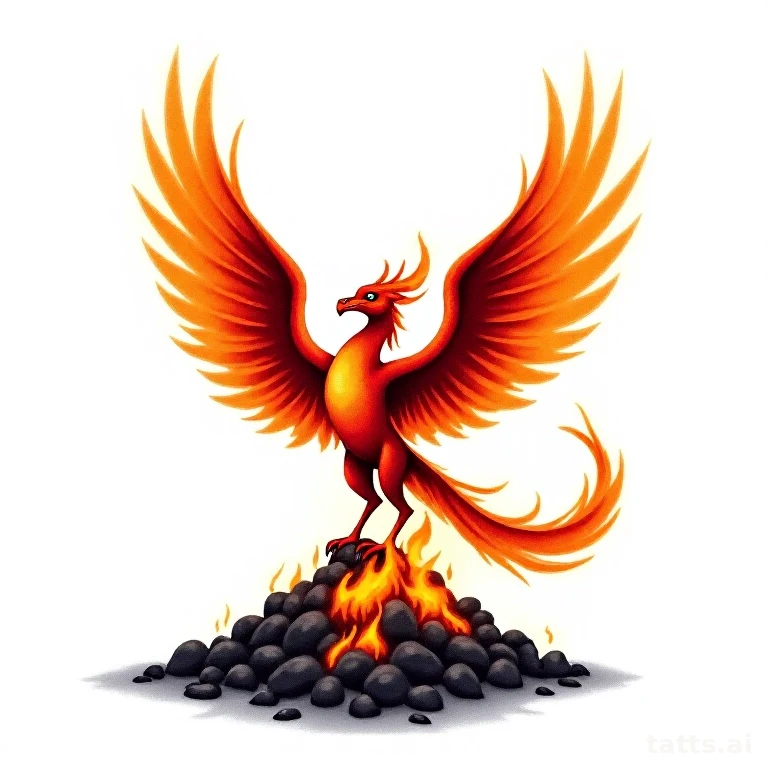

Flame Composition and Negative Space
The single biggest mistake in phoenix tattoo requests is under-scoping the flame trail — clients focus on the bird and treat fire as an afterthought, but the flame is doing half the storytelling. Ask your artist to treat the ember and smoke detail as part of the primary composition, not decoration bolted on after. A phoenix rising from a distinct pile of ash at the base of the design (rather than flame with no clear origin point) tells the 'rebirth' story more literally and is a popular addition for pieces specifically marking recovery.
Color Fidelity and Long-Term Vibrancy
If keeping the fiery color payoff matters to you long-term, budget mentally for a re-saturation session around year 6-8 — this isn't a flaw in the artist's work, it's how color ink physically behaves under sun exposure over time. Daily sunscreen on the tattoo (even under clothing on sunny days) meaningfully slows this. Some clients choose to have the phoenix in solid black-and-grey specifically to sidestep the fade issue, letting the linework and shading alone carry the flame's motion without relying on the red-orange-yellow gradient.
Frequently asked
- What does a phoenix tattoo mean compared to a butterfly tattoo?
- Both symbolize transformation, but a phoenix represents sudden, dramatic rebirth from destruction (burning to ash and returning), while a butterfly represents gradual metamorphosis through natural stages. People marking an abrupt turning point often prefer the phoenix; those describing a slower personal evolution often lean butterfly.
- How big does a phoenix tattoo need to be?
- At least 5-6 inches to give the flame and ember detail room to read as a cohesive blaze rather than scattered marks. The upper back, chest, and shoulder are the most common placements for that reason, since they allow the flame trail to wrap naturally around the body.
- Do colorful phoenix tattoos fade faster than black-and-grey ones?
- Yes — color ink, especially warm reds and oranges used for flame effects, fades faster under UV exposure than black ink, typically needing a touch-up around 6-8 years. A black-and-grey phoenix or one in bold flat color blocks holds up considerably longer.
Make it yours
Generate a one-of-one phoenix design free — then try it on your skin.